Concrete-mesa | Concrete Admixtures, Tools, and Production Machines

What Are the Best Admixtures for Modern Concrete Projects?
1. Introduction
Just 24 hours ago, a major infrastructure project in Texas announced it would use advanced polycarboxylate-based superplasticizers to achieve ultra-high-strength concrete with reduced water content—highlighting how modern admixtures are reshaping construction. As sustainability and performance demands rise, understanding the right admixture used in concrete is no longer optional—it’s essential.
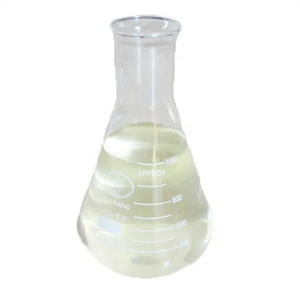
Concrete admixtures—also called concrete additives or ad mixtures—are chemical, mineral, or fibrous materials added to concrete mixes to enhance workability, durability, strength, or setting time. With dozens of admixture types available, selecting the best admixture for concrete can be overwhelming. This deep dive breaks down the most critical categories and compares their real-world performance.
2. Superplasticizers: The Game-Changers in Concrete Flow
Superplasticizers (or high-range water reducing admixtures) are among the most transformative concrete chemicals today. They dramatically increase slump without adding water, enabling self-consolidating and high-strength concrete mixes.
Two dominant chemistries dominate this space: naphthalene-based superplasticizer and polycarboxylate ether (PCE) superplasticizer.
- Naphthalene sulfonate formaldehyde (SNF) superplasticizers offer strong water reduction (15–25%) and are cost-effective but can cause faster slump loss and aren’t compatible with all cements.
- Polycarboxylate-based superplasticizers provide superior water reduction (up to 40%), excellent slump retention, and lower dosage requirements. They’re ideal for precast, high-performance, and 3D-printed concrete—but come at a higher price.
For projects needing long haul times or precise flow control, PCE superplasticizer is increasingly the go-to choice. That said, SNF remains popular in regions where cost sensitivity outweighs performance needs.
3. Air Entraining and Water-Resisting Additives
Air entraining concrete relies on air entraining admixtures—chemicals that create microscopic air bubbles during mixing. These bubbles improve freeze-thaw resistance, making them essential in cold climates.
Common air entraining agents include vinsol resin and synthetic surfactants. While they slightly reduce compressive strength, the trade-off in durability is often worth it—especially for pavements, bridges, and driveways.
On the waterproofing front, two main approaches exist: integral waterproofers and crystalline waterproofing admixtures.
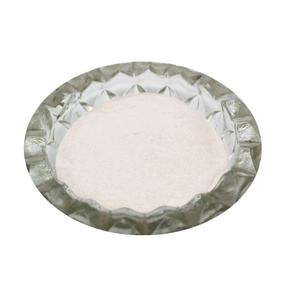
- Integral waterproofer products (like hydrophobic admixtures) repel water by reducing capillary absorption.
- Crystalline waterproofing admixture reacts with moisture and unhydrated cement to form insoluble crystals that block pores permanently.
Both serve as effective concrete waterproofing additives, but crystalline systems offer long-term, self-healing protection—ideal for basements, tunnels, and water tanks.
4. Setting Time Modifiers: Accelerators vs. Retarders
Concrete accelerator and concrete retarder admixtures give builders precise control over curing timelines.
Accelerating admixtures for concrete—often based on calcium chloride or non-chloride salts—shorten initial set time and boost early strength. They’re crucial for cold-weather pours or fast-track repairs using fast curing concrete additives.
Conversely, concrete retarder admixtures (like sugar-based or lignosulfonate compounds) delay hydration. Surface retarder concrete products even allow decorative stamping by keeping the surface soft while the core hardens.
Choosing between them depends on ambient temperature, logistics, and finish requirements. Misuse can lead to cracking or weak joints, so dosage precision matters.
5. Fiber Reinforcement: Beyond Steel Rebar
Fiber reinforced concrete is gaining massive traction—not just for crack control but as partial replacement for traditional rebar in slabs and overlays.
Key options include:
- Polypropylene fibres for concrete: inexpensive, corrosion-resistant, and great for plastic-shrinkage crack control.
- Steel fibers for concrete: deliver high tensile strength and impact resistance—common in industrial floors and tunnel linings.
- Carbon fiber reinforcement in concrete: ultra-lightweight with exceptional strength, though still niche due to cost.
- Natural options like coconut fiber reinforced concrete are emerging in sustainable builds but lack standardized performance data.
Macro fibers and microfibers serve different roles: macro fibers (like steel or synthetic) bridge cracks post-cracking, while microfibers (e.g., polypropylene microfiber) prevent early-age cracking.
Fibermesh concrete systems now integrate seamlessly into ready-mix operations, reducing labor and boosting durability—making concrete fiber reinforcement a smart investment for residential and commercial slabs alike.
6. Specialty Additives: Foaming Agents, Release Agents & More
Beyond core performance, specialty concrete additives address niche needs.
Foaming agents for foam concrete (including protein-based and synthetic types) enable lightweight CLC blocks and insulating fills. The best foaming agent for aircrete balances foam stability and cost—critical for affordable housing projects.
For decorative work, concrete release agents—powder or spray—prevent stamps from sticking. Water-based release agents with color powders also add subtle tinting to stamped concrete patterns and colors, enhancing aesthetics without paint.
And let’s not forget white cement—a key player in architectural concrete. Paired with superplasticizer in concrete, it creates brilliant white countertops, facades, and pavers that resist yellowing.
7. Conclusion
The best admixture for concrete isn’t one-size-fits-all. Whether you need a superplasticizer admixture for flow, an air entraining agent for durability, or a crystalline waterproofing admixture for longevity, your choice should align with environmental conditions, structural demands, and budget.
As innovations like PCE superplasticizers and carbon fiber concrete advance, the future of concrete lies not in the cement alone—but in the smart chemistry we mix into it.
Our Website founded on October 17, 2012, is a high-tech enterprise committed to the research and development, production, processing, sales and technical services of ceramic relative materials such as What. Our products includes but not limited to Boron Carbide Ceramic Products, Boron Nitride Ceramic Products, Silicon Carbide Ceramic Products, Silicon Nitride Ceramic Products, Zirconium Dioxide Ceramic Products, etc. If you are interested, please feel free to contact us.