Concrete-mesa | Concrete Admixtures, Tools, and Production Machines

Understand and Choose the Best Admixtures for High-Performance Concrete
1. Introduction
In a major development just 24 hours ago, global construction chemical leader Chryso announced a new generation of eco-efficient superplasticizer formulations designed to reduce carbon footprints while enhancing concrete workability—underscoring the growing importance of advanced admixtures in sustainable infrastructure. As modern construction demands higher performance, durability, and sustainability, understanding admixtures has become essential for engineers, contractors, and architects alike.
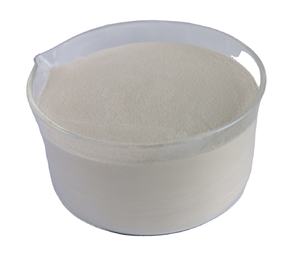
Admixtures are materials added to concrete before or during mixing to modify its properties in both fresh and hardened states. These concrete chemicals play a pivotal role in tailoring mix designs to meet specific environmental, structural, and aesthetic needs. From improving flowability to enabling faster curing or long-term waterproofing, the right admixture can significantly elevate a project’s quality and efficiency.
2. What Are Admixtures?
Admixtures—sometimes referred to as ad mixtures—are classified as either chemical or mineral additives incorporated into concrete mixes. They are distinct from aggregates and cement but interact with them to alter setting time, strength development, workability, or durability. The term ‘concrete admixture’ encompasses a wide range of products, each serving unique purposes in construction.
The American Concrete Institute (ACI) categorizes admixtures based on function, including water reducers, set regulators, durability enhancers, and specialty additives. Whether you’re seeking the best admixture for concrete in high-rise buildings or residential driveways, knowing the available options is crucial.
3. Common Types of Concrete Admixtures
Concrete admixture types fall into several functional categories, each addressing specific challenges in concrete production and placement.
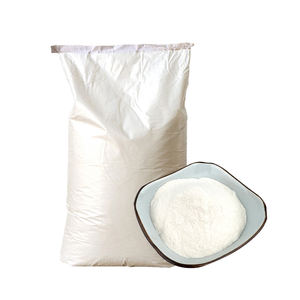
- Water reducing admixtures: These include mid-range and high-range water reducers (also known as superplasticizers), which improve workability without increasing water content. A concrete water reducer enhances strength and reduces permeability.
- Superplasticizer admixture: Often based on polycarboxylate ether (PCE) or naphthalene sulfonate, superplasticizers like PCE superplasticizer allow for highly fluid yet stable concrete mixes. Superplasticizer in concrete is indispensable in self-consolidating and high-strength applications.
- Concrete accelerator: Accelerating admixtures for concrete shorten setting time and boost early strength—ideal for cold-weather concreting or fast-track projects requiring reduced concrete accelerator curing time.
- Concrete retarder: Also called admixture retarder or concrete retarder admixture, these delay hydration, useful in hot climates or for long-haul deliveries. Surface retarder concrete is used specifically for decorative exposed-aggregate finishes.
- Air entraining admixture: These introduce microscopic air bubbles via an air entraining agent, improving freeze-thaw resistance. Air entraining concrete is standard in northern climates. Terms like air entraining cement or air entraining refer to this critical durability-enhancing technology.
- Waterproofing admixture: Products such as integral waterproofer, crystalline waterproofing admixture, or cement waterproofing additive provide long-term moisture resistance. Waterproof admix solutions like concrete waterproofing additive or admixture waterproofing are vital for basements, tunnels, and water-retaining structures.
4. Fiber Reinforcement and Specialty Additives
Beyond traditional chemical admixtures, fibers have emerged as essential concrete additives. Fiber reinforced concrete incorporates reinforcement fiber for concrete—such as polypropylene fibres for concrete, steel fibers for concrete, or even coconut fiber reinforced concrete—to control cracking and improve impact resistance.
Macro fibers and microfibers serve different roles: pp fiber concrete enhances plastic shrinkage control, while steel fiber reinforced concrete boosts post-crack load capacity. Innovations like carbon fiber reinforcement in concrete offer ultra-high performance for specialized applications. Fibermesh concrete and fiber concrete mix designs are now common in industrial floors and pavements.
Note that concrete fiber siding—often marketed as fibercement siding or cement house siding by brands like Hardie or CertainTeed—is a separate product category used for exterior cladding, not a structural concrete admixture. While related in material science, it should not be confused with fibers added directly to concrete mixes.
5. Emerging Trends and Key Products
Recent advancements focus on sustainability and performance. Polycarboxylate-based superplasticizers dominate the market due to their efficiency and compatibility with supplementary cementitious materials. Meanwhile, foaming agents for foam concrete—such as protein based foaming agent or synthetic foaming agent for concrete—are gaining traction in lightweight CLC (cellular lightweight concrete) blocks.
Colored concrete applications also rely on admixtures and release agents. Stamped concrete colors, powder concrete colorants, and concrete release agent sprays (like water-based release agent or powder release agent) enable decorative finishes without compromising integrity.
White cement, often used with superplasticizer for enhanced flow in architectural precast, supports aesthetic applications like white concrete countertops or white concrete pavers. Its compatibility with various admixtures makes it versatile for tinted and stamped concrete projects.
6. Selecting the Right Admixture
Choosing the best admixture for concrete depends on environmental conditions, structural requirements, and desired finish. For example, a high-range water reducer like PCE superplasticizer is ideal for high-strength mixes, while an air entraining admixture is non-negotiable in freeze-thaw zones.
Always consider compatibility between admixtures—some combinations may cause adverse reactions. Consult technical data sheets (often called bio data sheet in some regions) and follow manufacturer guidelines, especially when using branded systems like Chryso admixture.
7. Conclusion
Admixtures are no longer optional extras—they are integral to modern concrete technology. From superplasticizer admixture enabling skyscraper foundations to waterproofing admixture for concrete protecting underground structures, these concrete chemicals solve real-world engineering challenges. By understanding admixture types and their functions, professionals can optimize performance, sustainability, and cost-efficiency across all concrete applications.
Our Website founded on October 17, 2012, is a high-tech enterprise committed to the research and development, production, processing, sales and technical services of ceramic relative materials such as Understand. Our products includes but not limited to Boron Carbide Ceramic Products, Boron Nitride Ceramic Products, Silicon Carbide Ceramic Products, Silicon Nitride Ceramic Products, Zirconium Dioxide Ceramic Products, etc. If you are interested, please feel free to contact us.