Concrete-mesa | Concrete Admixtures, Tools, and Production Machines

How Do You Choose and Use the Right Concrete Admixtures for Your Project?
1. Introduction
Whether you’re pouring a backyard patio or building a commercial foundation, getting the right consistency, strength, and durability from your concrete mix is critical. That’s where concrete admixtures come in. These concrete additives—ranging from superplasticizers to air entraining agents—can dramatically improve workability, curing time, weather resistance, and more. But with so many admixture types available, how do you know which one to use? This guide breaks it down step by step.
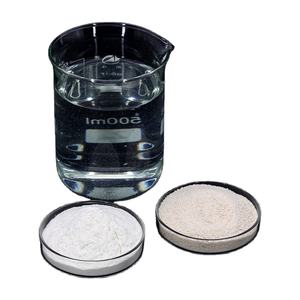
2. Understand the Main Types of Concrete Admixtures
Before buying any admixture, it helps to know what each type does. Here are the most common categories of admixtures used in concrete:
- Water reducing admixtures (including superplasticizers): Improve flow without adding water.
- Concrete accelerators: Speed up curing, especially in cold weather.
- Concrete retarders: Slow setting time in hot conditions or for complex pours.
- Air entraining admixtures: Add tiny air bubbles to boost freeze-thaw resistance.
- Waterproofing admixtures: Like integral waterproofer or crystalline waterproofing admixture, they block moisture penetration.
- Fiber reinforcement: Includes polypropylene fibres for concrete, steel fibers, or even coconut fiber reinforced concrete for added tensile strength.
- Foaming agents: Used in lightweight foam concrete or CLC blocks.
3. Step-by-Step: How to Choose the Right Admixture for Your Job
Start by identifying your primary challenge. Are you battling cold weather? Need faster curing? Trying to prevent cracking? Match your issue to the right admixture type.
For high-strength, low-water mixes, go with a superplasticizer in concrete—especially polycarboxylate ether (PCE) based superplasticizer, known for its efficiency and compatibility. If you’re in freezing climates, an air entraining agent is essential to prevent surface scaling. For basements or water tanks, a concrete waterproofing additive like a crystalline waterproofing admixture offers long-term protection.
Always check manufacturer specs. Brands like Chryso admixture or products labeled as ‘best admixture for concrete’ often include performance data sheets that detail dosage, compatibility, and expected results.
4. How to Properly Mix and Apply Concrete Admixtures
Most chemical admixtures for concrete are liquid or powder concentrates that must be diluted or dosed precisely. Follow these steps:
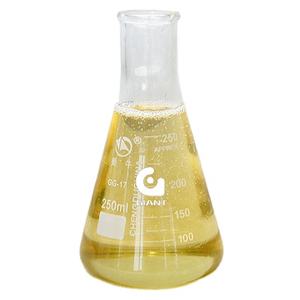
- Measure accurately: Overdosing a superplasticizer admixture can cause segregation; too little won’t achieve desired slump.
- Add at the right time: Superplasticizers are usually added during mixing. Retarders may be added just before placement.
- Mix thoroughly: Ensure even distribution—especially important for fiberfor concrete or macro fibers used in fiber reinforced concrete.
- Test small batches first: Especially when using new products like a homemade foaming agent for concrete or a cement waterproofing additive.
Never add extra water to compensate for poor workability—that weakens the final product. Instead, adjust with a plasticizer for concrete or a mid-range water reducer.
5. Common Problems and Quick Fixes
Problem: Concrete sets too fast in summer heat.
Solution: Use a concrete retarder admixture or surface retarder concrete to extend workability window.
Problem: Cracking in slabs or walls.
Fix: Incorporate reinforcement fiber for concrete—polypropylene fibre or steel fibers for concrete help control shrinkage cracks.
Problem: Water seepage through basement walls.
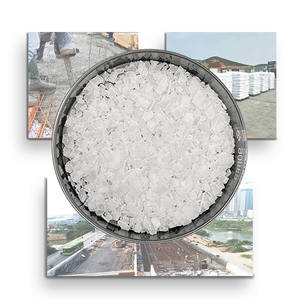
Try: An integral waterproofer or waterproof admix designed for below-grade applications. Crystalline waterproofing admixture reacts with moisture to self-seal micro-cracks.
Problem: Poor finish on stamped concrete.
Tip: Use a quality concrete release agent—powder or spray—to prevent sticking and allow clean pattern transfer. Pair with tinted concrete or colored concrete powder for aesthetic results.
6. Special Considerations for Decorative or Lightweight Concrete
For colored stamped concrete, combine pigment powders with a compatible plasticizer admixture to maintain color uniformity and workability. When making foam concrete, choose a reliable CLC foaming agent—protein-based or synthetic—depending on desired density and strength.
If you’re using white cement for countertops or decorative elements, note that some superplasticizers may affect color. Opt for PCE-based superplasticizer, which is less likely to yellow over time.
7. Where to Buy and What to Avoid
You can find basic concrete chemicals like water reducer or concrete accelerator at Home Depot or from concrete siding manufacturers if you’re also sourcing materials like Hardie concrete siding. But for specialized products—like carbon fiber reinforcement in concrete or CLC foaming agent price-sensitive bulk orders—go through certified suppliers.
Avoid generic ‘ad mixtures’ with no technical data sheet. Always request a bio data sheet or product safety info. And never substitute dish soap for a real foaming agent—it lacks stability and can ruin your mix.
8. Conclusion
Choosing the right concrete admixture isn’t guesswork—it’s about matching chemistry to your project’s environment, timeline, and performance goals. Whether you need a fast curing concrete additive for a winter pour or a durable waterproofing admixture for a wet area, understanding admixture types and proper usage ensures stronger, longer-lasting results. Start small, test thoroughly, and always follow dosage guidelines to get the best out of your concrete mix.
Our Website founded on October 17, 2012, is a high-tech enterprise committed to the research and development, production, processing, sales and technical services of ceramic relative materials such as How. Our products includes but not limited to Boron Carbide Ceramic Products, Boron Nitride Ceramic Products, Silicon Carbide Ceramic Products, Silicon Nitride Ceramic Products, Zirconium Dioxide Ceramic Products, etc. If you are interested, please feel free to contact us.