Concrete4U | Concrete Admixtures, Tools, and Production Machines

How Superplasticizers and Specialty Admixtures Are Revolutionizing 3D-Printed Concrete Homes
1. Introduction
Just 36 hours ago, news broke that a Dubai-based startup unveiled the world’s fastest-built 3D-printed concrete house—completed from foundation to roof in under two days. Forget weeks of scaffolding and backbreaking labor; this marvel relied on a secret sauce far more potent than cement: advanced concrete admixtures. These chemical wizards—ranging from superplasticizers to crystalline waterproofing admixtures—are turning sci-fi dreams into backyard realities.
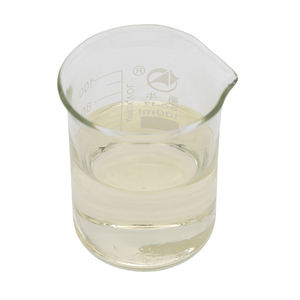
And no, we’re not talking about your grandpa’s bag of ‘concrete mix.’ Modern admixtures are the unsung heroes behind sleek, durable, and even wood-look concrete siding, ultra-smooth countertops, and structures that laugh at hurricanes. Let’s unpack how these concrete chemicals are reshaping (literally) the future of building.
2. Why 3D Printing Demands Next-Gen Admixtures
3D-printed concrete isn’t just poured—it’s extruded, layer by layer, like a giant pastry chef piping batter. This requires a Goldilocks mix: fluid enough to flow through the nozzle, yet stiff enough to hold its shape immediately after deposition. Enter the dream team of admixture types.
- Superplasticizer in concrete (especially polycarboxylate ether or PCE-based) acts as a high-range water reducer, slashing water content by up to 40% while maintaining workability. Less water = less shrinkage = fewer cracks.
- Concrete retarder admixtures fine-tune setting time so each layer bonds perfectly without slumping.
- Accelerating admixtures for concrete kick in post-printing to speed up curing—critical when you’re racing against desert heat or rain clouds.
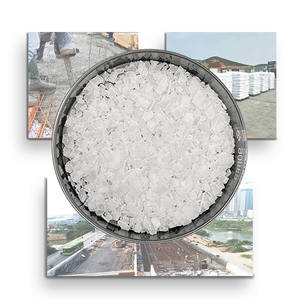
Without these precise chemical tweaks, 3D printing would be less ‘architectural innovation’ and more ‘muddy pancake stack.’
3. The Superplasticizer Spotlight
When people say ‘best admixture for concrete’ in high-tech applications, they usually mean superplasticizer. Specifically, polycarboxylate ether (PCE) superplasticizers dominate the scene thanks to their molecular precision. Unlike older naphthalene or melamine-based versions, PCE superplasticizers offer superior slump retention—essential when your printer runs for hours nonstop.
These super plasticizers don’t just make concrete flow; they enable ultra-high-performance mixes with compressive strengths exceeding 100 MPa. And yes, brands like Chryso admixture lead the market, but the real magic lies in dosage control. Too little? Clogged nozzle. Too much? Runny disaster. It’s chemistry with consequences.
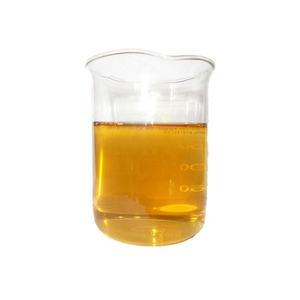
4. Waterproofing, Fibers, and the Quest for Durability
A printed house isn’t just art—it’s shelter. That means it must resist rain, humidity, and freeze-thaw cycles. Here’s where other concrete additives shine:
- Crystalline waterproofing admixture reacts with moisture to grow insoluble crystals inside capillaries, making the concrete itself waterproof—no membranes needed.
- Integral waterproofer and cement waterproofing additive options provide backup defense, especially in basements or coastal builds.
- Fiber reinforcement is non-negotiable. Polypropylene fibres for concrete prevent microcracking during early curing, while steel fibers for concrete add tensile strength. Coconut fiber reinforced concrete? Still experimental—but trending among eco-builders.
Together, these create fiber reinforced concrete that’s not only printable but also resilient enough for decades of wear.
5. Bonus Niche: Colored & Textured Finishes Without Paint
Who says concrete has to be gray? With colored concrete powder and stamp release agents, 3D-printed walls can mimic wood grain, stone, or terra cotta right out of the nozzle. Powder release agents double as colorants—charcoal, brown, red, even white stamped concrete effects are achievable.
White cement blends with superplasticizer allow for bright, clean finishes perfect for modern concrete siding. Pair that with a concrete mold release oil, and you’ve got a surface that looks expensive but costs half as much as Hardie concrete siding or CertainTeed alternatives.
6. Conclusion
From Dubai’s record-breaking build to backyard studios in Oregon, the fusion of 3D printing and smart admixture use is rewriting construction rules. Whether it’s a polycarboxylate superplasticizer enabling flawless extrusion, an air entraining agent boosting frost resistance, or a crystalline waterproofing admixture sealing out moisture, these concrete chemicals are the quiet geniuses behind tomorrow’s homes. So next time you see a swooping, seamless concrete structure, tip your hard hat—not to the printer, but to the admixtures inside.
Our Website founded on October 17, 2012, is a high-tech enterprise committed to the research and development, production, processing, sales and technical services of ceramic relative materials such as How. Our products includes but not limited to Boron Carbide Ceramic Products, Boron Nitride Ceramic Products, Silicon Carbide Ceramic Products, Silicon Nitride Ceramic Products, Zirconium Dioxide Ceramic Products, etc. If you are interested, please feel free to contact us.