Concrete4U | Concrete Admixtures, Tools, and Production Machines

Admixtures Are Revolutionizing Modern Concrete—Here’s Everything You Need to Know
1. Introduction
Just 24 hours ago, a major infrastructure project in Texas announced the use of advanced polycarboxylate ether (PCE)-based superplasticizers to accelerate bridge repairs without compromising strength—a move highlighting how modern admixtures are transforming concrete technology. As global demand for sustainable, high-performance construction materials grows, admixtures have become indispensable tools for engineers, contractors, and DIY builders alike.
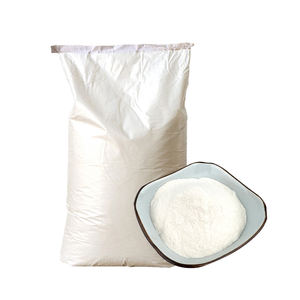
Whether you’re pouring a driveway, building a skyscraper, or installing concrete siding on your home, understanding admixtures can make the difference between a structure that lasts decades—or one that cracks within years. In this guide, we’ll break down everything you need to know about admixtures used in concrete, from common categories like water reducers and accelerators to specialty additives like crystalline waterproofing admixtures and coconut fiber reinforcement.
2. What Are Admixtures?
Admixtures—sometimes spelled ‘ad mixtures’—are ingredients added to concrete before or during mixing to modify its properties. These concrete additives can improve workability, control setting time, enhance durability, or add aesthetic effects. They fall into two broad groups: chemical admixtures (like superplasticizers and retarders) and mineral admixtures (such as fly ash or silica fume).
The best admixture for concrete depends entirely on your project goals. Need faster curing? A concrete accelerator might be ideal. Pouring in hot weather? A concrete retarder admixture can delay setting. Want a sleek, stain-resistant finish? Consider a cement waterproofing additive or integral waterproofer. With so many options, it’s crucial to match the admixture type to your specific needs.
3. Key Types of Concrete Admixtures
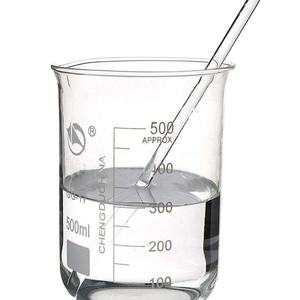
Concrete admixture types are categorized by function. The most widely used include water-reducing admixtures, accelerating and retarding admixtures, air-entraining agents, and specialty additives like fibers and foaming agents.
- Water reducing admixtures (also called concrete water reducers) lower the water-cement ratio without sacrificing workability. High-range versions—commonly known as superplasticizers or super plasticizers—are essential for producing high-strength, self-consolidating concrete. Polycarboxylate ether (PCE) superplasticizers are now the industry standard due to their efficiency and compatibility with modern cements.
- Accelerating admixtures for concrete shorten curing time, making them perfect for cold-weather pours or fast-track projects. A concrete accelerator curing time reduction can be as much as 50%, enabling quicker form removal and earlier load application.
- Concrete retarder admixtures do the opposite—they slow hydration, which is vital in hot climates or for large pours where you need extended working time. Surface retarder concrete products are also used in decorative stamped concrete to allow for pattern imprinting.
- Air entraining admixtures introduce microscopic air bubbles that improve freeze-thaw resistance. This air entraining concrete technique is critical in northern climates. An air entraining agent creates a more durable matrix by relieving internal pressure from ice expansion.
4. Specialty Admixtures for Performance and Aesthetics
Beyond basic functionality, modern admixtures unlock creative and resilient solutions. Waterproofing admixtures—like crystalline waterproofing admixture or concrete waterproof admix—react with cement to form insoluble crystals that block water penetration permanently. These are far more effective than surface sealers and are often specified for basements, tunnels, and water tanks.
Fiber reinforcement has also surged in popularity. Fibers for concrete—including polypropylene fibres for concrete, steel fibers for concrete, and even coconut fiber reinforced concrete—reduce cracking, boost impact resistance, and eliminate the need for secondary rebar in some applications. Fiber reinforced concrete is now standard in industrial floors, shotcrete, and even residential concrete siding.
Speaking of siding, concrete fiber siding (also marketed as fibercement siding or fiber concrete) offers the look of wood with superior fire and pest resistance. Brands like Hardie and CertainTeed dominate this space, offering concrete siding that looks like wood at competitive concrete siding cost points. Home Depot concrete siding options continue to expand as demand for low-maintenance exteriors grows.
5. Superplasticizers: The Game-Changer in Concrete Chemistry
No discussion of admixtures is complete without spotlighting superplasticizer in concrete. These high-range water reducers—often based on polycarboxylate ether (PCE)—allow for dramatic water reduction (up to 40%) while maintaining flowability. The result? Stronger, denser, more durable concrete with less shrinkage.
Superplasticizer admixture formulations have evolved rapidly. While older naphthalene-based superplasticizers are still used, PCE-based versions offer better slump retention and compatibility with supplementary cementitious materials. Whether labeled as polycarboxylate superplasticizer, PCE plasticizer, or cement superplasticizer, these products are now essential in precast, ready-mix, and high-performance applications.
6. Other Notable Additives
Foaming agents for foam concrete—like CLC foaming agents or protein-based foaming agents—create lightweight cellular concrete used in insulation blocks and void filling. Meanwhile, colored concrete relies on pigments and release agents (such as powder release agent for concrete or spray release agent) to achieve stamped concrete colors ranging from charcoal to terra cotta.
White cement, prized for its brightness and versatility, is often paired with superplasticizers to create white concrete countertops or architectural elements. And for those seeking eco-friendly options, homemade foaming agents or bio-based admixtures are gaining traction—though commercial products like Chryso admixture remain the gold standard for reliability.
7. Conclusion
From the superplasticizer in your sidewalk to the air entraining admixture protecting a mountain highway, admixtures silently shape the built world. As concrete technology advances, so too do the chemical admixture for concrete innovations that make structures stronger, greener, and more beautiful. Whether you’re a contractor specifying the best superplasticizer for concrete or a homeowner choosing concrete siding for homes, understanding these additives empowers smarter, longer-lasting decisions.
Our Website founded on October 17, 2012, is a high-tech enterprise committed to the research and development, production, processing, sales and technical services of ceramic relative materials such as Admixtures. Our products includes but not limited to Boron Carbide Ceramic Products, Boron Nitride Ceramic Products, Silicon Carbide Ceramic Products, Silicon Nitride Ceramic Products, Zirconium Dioxide Ceramic Products, etc. If you are interested, please feel free to contact us.