Concrete-mesa | Concrete Admixtures, Tools, and Production Machines

Unlock the Power of Admixtures in Fiber-Reinforced Concrete for Modern Siding
1. Introduction
Just 24 hours ago, industry leaders at the Global Concrete Expo announced a breakthrough in fiber-reinforced concrete siding that mimics natural wood grain while offering superior fire resistance and moisture control—thanks largely to next-generation concrete admixtures. As homeowners increasingly seek low-maintenance, eco-friendly alternatives to traditional wood or vinyl siding, fiber cement products infused with smart chemical additives are surging in popularity. This shift isn’t just aesthetic; it’s deeply technical, driven by innovations in admixture chemistry that optimize everything from mix flow to long-term durability.
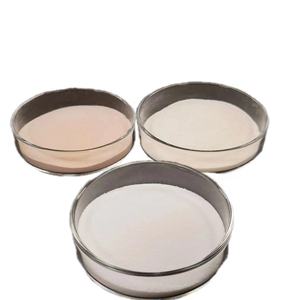
Concrete admixtures—often called ‘concrete chemicals’ or ‘ad mixtures’—are no longer just construction afterthoughts. In niche applications like fiber-reinforced concrete siding, they’re mission-critical. Whether you’re comparing concrete siding cost, evaluating concrete fiber siding that looks like wood, or sourcing from brands like Hardie concrete siding or CertainTeed concrete siding, understanding the role of admixtures is key to making informed decisions.
2. Why Admixtures Matter in Fiber-Reinforced Concrete Siding
Fiber-reinforced concrete (FRC) combines cement, sand, water, and reinforcement fibers—typically polypropylene, steel, or even coconut fiber—to create panels that resist cracking, impact, and weathering. But without the right admixture used in concrete, this mix would be too stiff to mold into intricate wood-look textures or too slow to cure for mass production. That’s where concrete admixture types like superplasticizers, accelerators, and waterproofing additives step in.
Superplasticizer in concrete—specifically polycarboxylate ether (PCE)-based superplasticizer admixture—is essential for achieving high fluidity without excess water. This allows manufacturers to cast detailed patterns (like stamped concrete colors and wood grains) while maintaining strength. Unlike older naphthalene-based superplasticizers, modern PCE superplasticizers offer better slump retention and compatibility with mineral admixtures and fibers.
- Superplasticizer admixture reduces water content by up to 30%, improving density and reducing permeability
- Plasticizer for concrete enhances workability during extrusion or molding of thin fiber cement panels
- Concrete accelerator curing time is shortened using accelerating admixtures for concrete, speeding up factory throughput
- Air entraining admixture introduces microscopic air bubbles that improve freeze-thaw resistance—critical for homes in cold climates
3. Waterproofing and Durability: The Hidden Role of Admixtures
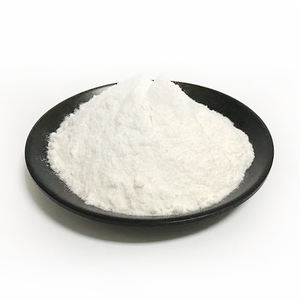
One of the biggest challenges with cement-based siding is moisture intrusion, which can lead to efflorescence, warping, or mold growth. To combat this, manufacturers integrate crystalline waterproofing admixture or integral waterproofer directly into the mix. These concrete waterproofing additives react with unhydrated cement particles to form insoluble crystals that block capillary pores—making the entire panel inherently water-resistant, not just surface-coated.
Unlike topical sealers that wear off, admixture waterproofing provides lifelong protection. Brands often use cement waterproofing additive systems that comply with ASTM standards, ensuring reliability even in coastal or high-humidity regions. This is especially important for concrete siding for homes marketed as ‘maintenance-free.’
Additionally, air entraining concrete formulations—using an air entraining agent—boost resilience against thermal cycling. Meanwhile, concrete retarder admixture or surface retarder concrete may be used selectively during casting to control setting in complex molds, ensuring sharp pattern definition without premature hardening.
4. Fiber + Chemistry: A Synergistic Formula
The magic of modern concrete fiber siding lies in the synergy between reinforcement fibers and chemical admixtures. Polypropylene fibres for concrete prevent microcracking during early shrinkage, while steel fibers for concrete add tensile strength for larger panels. But these fibers can interfere with workability—unless balanced with the best admixture for concrete.
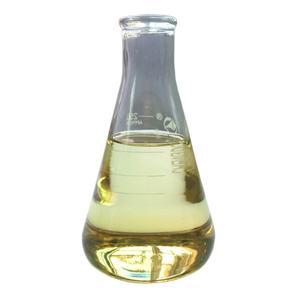
For example, macro fibers or pp fiber concrete mixes often require mid-range water reducer or high range water reducer admixtures to maintain pumpability. Without a concrete water reducer, the mix becomes too viscous, leading to poor fiber dispersion and weak spots. Similarly, fiber reinforced polymer concrete benefits from superplasticizer admixture to ensure uniform distribution of carbon fiber reinforcement in concrete.
Even sustainable options like coconut fiber reinforced concrete rely on tailored admixture packages. Natural fibers absorb more water, so precise dosing of water reducing admixtures and concrete retarder is crucial to avoid inconsistent curing.
5. Real-World Impact: From Factory to Facade
When you see a house with concrete siding that looks like wood—whether it’s charcoal colored concrete, terra cotta concrete color, or classic grey stamped concrete—you’re seeing the result of advanced admixture engineering. Companies like James Hardie use proprietary blends that include fast curing concrete additives and concrete additives fiber to produce panels that install like wood but last decades longer.
Moreover, the rise of white cement in architectural panels has increased demand for compatible superplasticizers that don’t discolor the mix. White concrete for countertops and siding requires ultra-pure polycarboxylate superplasticizer to maintain brightness while delivering performance.
Home Depot concrete siding and other retail offerings now highlight ‘advanced admixture technology’ as a selling point, signaling growing consumer awareness. Even DIY builders mixing fiber concrete at home benefit from readily available plasticizer admixture and concrete release agent kits to achieve professional results.
6. Conclusion
Admixtures are the unsung heroes behind the durability, beauty, and functionality of modern fiber-reinforced concrete siding. From superplasticizer in concrete enabling intricate designs to crystalline waterproofing admixture ensuring decades of weather resistance, these concrete chemicals transform basic cement into high-performance cladding. As innovation continues—driven by sustainability goals and aesthetic demands—the right admixture used in concrete will remain central to the future of building exteriors.
Our Website founded on October 17, 2012, is a high-tech enterprise committed to the research and development, production, processing, sales and technical services of ceramic relative materials such as Unlock. Our products includes but not limited to Boron Carbide Ceramic Products, Boron Nitride Ceramic Products, Silicon Carbide Ceramic Products, Silicon Nitride Ceramic Products, Zirconium Dioxide Ceramic Products, etc. If you are interested, please feel free to contact us.