Concrete4U | Concrete Admixtures, Tools, and Production Machines

Admixtures Are the Secret Sauce That Makes Modern Concrete Sing—Here’s How
1. Introduction
Just 24 hours ago, engineers in Dubai unveiled a new high-rise that sets concrete in under 30 minutes—thanks not to magic, but to cutting-edge accelerating admixtures. Meanwhile, DIYers on TikTok are raving about coconut fiber-reinforced concrete patios that look like wood but cost half as much. Clearly, the world of concrete is anything but gray (unless you want it charcoal stamped!). At the heart of this revolution? Admixtures—those clever little additives that turn basic cement soup into superhero material.
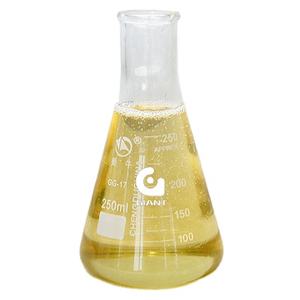
So what exactly are admixtures? In short, they’re chemical or mineral ingredients added to concrete before or during mixing to modify its properties. Think of them as the seasonings in your grandma’s stew: a pinch here, a dash there, and suddenly everything’s better. Whether you’re battling freeze-thaw cycles, chasing ultra-smooth finishes, or just trying to pour concrete on a sweltering summer afternoon, there’s an admixture for that.
2. What Are Admixtures, Really?
Admixtures—sometimes spelled ‘ad mixtures’ by the overly enthusiastic—are substances other than water, aggregates, and cement that are added to concrete to enhance performance. They fall into two broad categories: chemical admixtures and mineral admixtures. Chemical admixtures include things like superplasticizers and accelerators, while mineral admixtures might be fly ash or silica fume.
The best admixture for concrete depends entirely on your project. Need fast curing concrete additives for emergency road repairs? Go for a concrete accelerator. Pouring a pool deck in July? A concrete retarder will save your pour from turning into a cracked pancake. And if you’re dreaming of waterproof basements, a crystalline waterproofing admixture or integral waterproofer might just be your new BFF.
3. The All-Star Lineup: Common Admixture Types
Let’s meet the usual suspects in the concrete additives hall of fame:
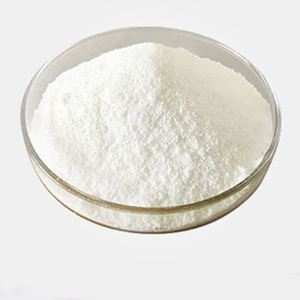
- Water reducing admixtures (aka concrete water reducers): These cut down the water content without sacrificing workability. Less water = stronger concrete. Superplasticizer in concrete? That’s the MVP of this category—especially polycarboxylate ether (PCE) types, known for their high-range water reduction.
- Superplasticizers (or super plasticizers): These are the rockstars of flow. A superplasticizer admixture can turn stiff sludge into silky smooth liquid concrete—perfect for intricate molds or dense rebar cages. PCE-based superplasticizers are now dominating the market thanks to their efficiency and eco-friendliness.
- Air entraining admixtures: Ever wonder how northern roads survive winter? Air entraining concrete contains billions of microscopic bubbles that act like tiny shock absorbers against ice expansion. An air entraining agent is essential in cold climates.
- Concrete accelerators and retarders: Accelerating admixtures for concrete speed up curing (hello, same-day driveways!), while a concrete retarder admixture buys you time on hot days. Surface retarder concrete is even used to create exposed-aggregate finishes.
- Waterproofing admixtures: From cement waterproofing additive to concrete waterproof admix, these seal pores from within. Crystalline waterproofing admixture reacts with water to grow crystals that block leaks permanently—no paint required.
4. Fiber Reinforcement: When Concrete Needs a Six-Pack
Fibers for concrete aren’t just trendy—they’re transformative. Adding reinforcement fiber for concrete dramatically improves crack resistance, impact strength, and durability. Polypropylene fibres for concrete are popular for residential slabs, while steel fibers for concrete dominate industrial floors and tunnels.
And yes, coconut fiber reinforced concrete is a real thing—and it’s sustainable! Though not as strong as steel, natural fibers like coconut fibre concrete offer eco-friendly options for non-structural elements. Meanwhile, carbon fiber reinforcement in concrete is pushing the boundaries of ultra-high-performance structures.
Whether you call it fiber reinforced concrete, fibre concrete reinforcement, or just ‘concrete with fiber reinforcement,’ one thing’s clear: fibers make concrete tougher, literally. Brands like Fibermesh concrete have made pre-blended fiber mixes widely available—even at Home Depot concrete siding aisles (though note: concrete fiber siding and fibercement siding are different products altogether).
5. Bonus Players: Color, Release, and Foam
Concrete isn’t just functional—it’s fashionable. Colored concrete and stamped concrete colors let you mimic stone, brick, or even wood. Gray stamped concrete? Basic. Charcoal, terra cotta, or blue stamped concrete? Now we’re talking. Use a concrete release agent (powder or spray) to prevent stamps from sticking—brickform liquid release is a pro favorite.
On the lightweight side, foaming agents for foam concrete are creating insulating, eco-friendly blocks. CLC foaming agent (Cellular Lightweight Concrete) whips air into the mix, producing airy yet sturdy walls. Protein-based foaming agents are gaining traction for being biodegradable, though synthetic foaming agents still rule for consistency.
And don’t forget white cement! Used for white concrete countertops, decorative tiles, or bright facades, white Portland cement pairs beautifully with tinted concrete or colored concrete powder for custom hues.
6. Choosing the Right Admixture
With so many options—from Chryso admixture systems to DIY homemade foaming agents—it’s easy to feel overwhelmed. Ask yourself: What’s my climate? What’s my timeline? Do I need waterproofing admixture for concrete or just better flow? Always check the bio data sheet for dosage, compatibility, and safety.
Pro tip: Never assume ‘more is better.’ Overdosing a plasticizer for concrete can cause segregation or excessive bleeding. And while polypropylene fibre and superplasticizer might sound like a power couple, they need proper testing together—some combinations reduce effectiveness.
7. Conclusion
Admixtures may not get red-carpet treatment, but they’re the backstage crew making every concrete performance flawless. Whether you’re using a concrete accelerator to beat the clock, an air entraining cement to survive Arctic winters, or a crystalline waterproofing admixture to keep your basement dry, these concrete chemicals are engineering’s best-kept secret. So next time you walk on a smooth sidewalk or admire modern concrete siding that looks like wood, tip your hard hat to the humble admixture—it’s doing the heavy lifting.
Our Website founded on October 17, 2012, is a high-tech enterprise committed to the research and development, production, processing, sales and technical services of ceramic relative materials such as Admixtures. Our products includes but not limited to Boron Carbide Ceramic Products, Boron Nitride Ceramic Products, Silicon Carbide Ceramic Products, Silicon Nitride Ceramic Products, Zirconium Dioxide Ceramic Products, etc. If you are interested, please feel free to contact us.