Concrete-mesa | Concrete Admixtures, Tools, and Production Machines

What is Soap Based Concrete Formwork Oil? The Pro’s Choice for Cleaner, Safer Strikes.
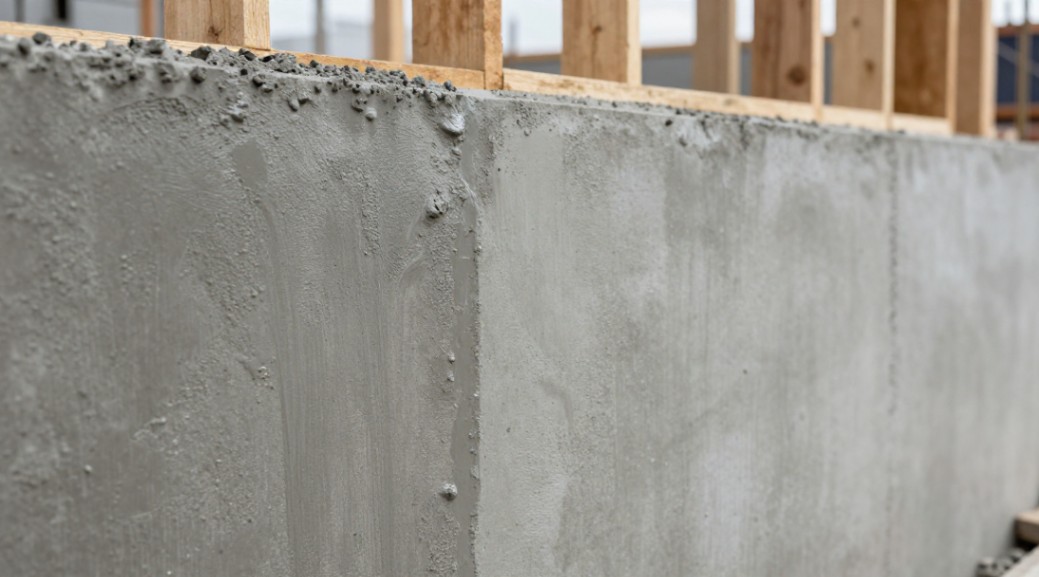
I remember my first bad pour. It was a long foundation wall, and we were using an old, heavy-duty petroleum release agent. The strike was a nightmare. The form faces came off, but the concrete was pockmarked with dark, oily stains that bled for days. The foreman was livid. Rehabbing that surface cost us time and money we didn’t have. That experience, shared by countless crews, is exactly why many of us in the field made the switch decades ago. We wanted a solution that stripped clean and left a clean, ready surface. That solution is soap based concrete formwork oil.
The Core Concept: A Slippery Film, Not a Greasy Mess
So, what is it? At its heart, soap based concrete formwork oil is a water-emulsified release agent. Think of it as a high-tech, concentrated soap. Its primary job is to create a microscopic barrier between the formwork surface-whether it’s steel, plywood, aluminum, or plastic-and the curing concrete. Unlike traditional petroleum or mineral oil products that coat and soak in, a soap based oil works by a principle called controlled lubrication. When sprayed onto the form, it forms a thin, continuous film. As the fresh concrete is placed, the water in the mix reacts with this film. This reaction temporarily creates an ultra-slippery layer, allowing the form to release perfectly when it’s time to strike. Once the form is off and the concrete cures, this reactive layer simply washes away or dissipates, leaving behind a pristine, stain-free surface.
Why We Prefer It: The Practical Advantages That Matter On-Site
The shift from petroleum oils wasn’t just about cleanliness; it was about performance and pragmatics. The first major advantage is the finish. A properly applied soap based oil produces a uniform, architectural-quality concrete face. No blotchy stains, no dark discoloration, no residual oil that prevents paint or coatings from adhering later. The concrete looks the way it’s supposed to look. Second is safety, both for us and the site. These oils are non-flammable and have low volatile organic compound (VOC) emissions. We’re not breathing in harsh solvent fumes all day, and we don’t have the fire hazard of storing drums of flammable liquid. Third is its kindness to the forms themselves. Petroleum oils can degrade certain plastics and rubber gaskets, and they attract dirt and grime that grinds into formwork seams. Soap based oils are generally neutral; they clean up easily with water, helping our forms last longer.
Inside the Can: How the Chemistry Works for You
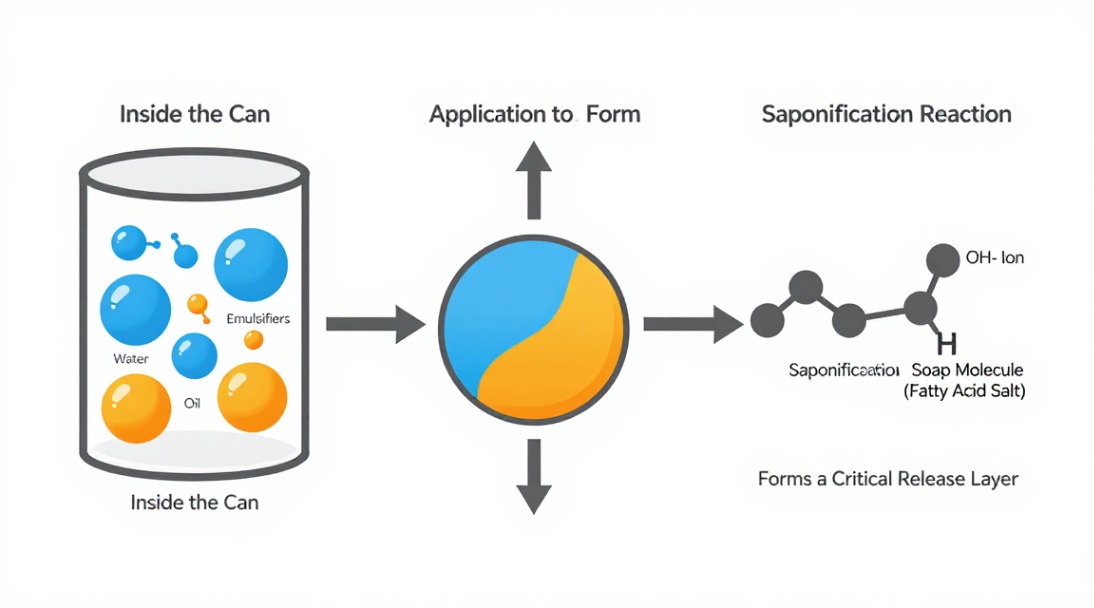
You don’t need a chemistry degree, but understanding the basics helps. The primary active ingredients are fatty acid salts-essentially, soaps derived from natural sources like vegetable oils. These are blended with emulsifiers and water. The emulsifiers are key. They keep the oil and water mixed in the container, but upon application, they allow the mixture to spread evenly and adhere to the vertical form face without immediately running off. When the alkaline, water-rich concrete hits this film, a saponification reaction occurs right at the interface. This is what generates that critical release layer. It’s a temporary, purposeful reaction designed to do one job perfectly, then vanish.
The Right Way to Apply It: Technique Overwhelms Product
The best soap based oil won’t work if applied poorly. This isn’t a “more is better” situation. The golden rule is a thin, even, continuous film. We aim for a light mist, not a drenching. For most products, this translates to a spread rate of about 150 to 300 square feet per gallon. Always follow the manufacturer’s dilution instructions if provided-some are ready-to-use, others are concentrates. Application method is crucial. Use a low-pressure, fine mist sprayer. A coarse, high-pressure spray will create uneven droplets and runs. Spray from a consistent distance, typically 12 to 18 inches, using overlapping passes. Pay special attention to corners, seams, and bolt holes-anywhere concrete might mechanically lock. The form must be clean and dry before application; applying over dust or old concrete residue is asking for a failure.
| Step | Key Action | Critical Detail |
|---|---|---|
| 1. Preparation | Clean the form face | Remove all dirt, old concrete, and debris. Surface must be dry. |
| 2. Mixing | Agitate the container | Ensure product is fully emulsified. Do not dilute unless specified. |
| 3. Equipment | Use a fine mist sprayer | Adjust nozzle for a wide, fine fan. Pressure < 40 PSI is ideal. |
| 4. Application | Apply thin, even coat | Spray from 12-18″ away. Target 200-250 sq ft per gallon coverage. |
| 5. Coverage | Focus on critical areas | Corners, seams, and hardware must have a continuous film. |
| 6. Timing | Apply just before pouring | Do not apply too far in advance to avoid dust settlement or drying. |
Making the Smart Choice for Your Next Pour
When you compare it to other agents, the choice becomes clear. Petroleum oils are cheaper per gallon but cost more in surface remediation, form cleaning, and safety compliance. Reactive chemical barriers can be excellent for specific finishes but are often more expensive and temperamental. Soap based concrete formwork oil sits in the sweet spot: effective, economical over the total project life, safe, and simple. It’s ideal for architectural concrete, precast operations, tilt-up panels, and any project where finish appearance, worker safety, or formwork longevity is a priority. Store it in a cool place, avoid freezing, and keep the container sealed. The most common mistake we see is over-application, which can cause runs that lead to surface blemishes. Remember: a little, applied correctly, goes a very long way.
After twenty-plus years of seeing what works and what causes costly headaches, my recommendation is unequivocal. If you’re still using old-school petroleum release agents, you’re creating unnecessary risk and work for your crew. Make the switch to a professional-grade soap based concrete formwork oil on your next project. Test it on a small wall or panel first. See the clean strike for yourself. Feel the difference in a safer work environment. Your forms will be cleaner, your concrete will look better, and your bottom line will thank you. Don’t just take my word for it-order a trial pail from your supplier today and experience the difference a modern, intelligent release agent can make.
Supplier
We are the global leader in lightweight concrete and advanced engineered foam solutions. Known globally for its commitment to research, innovation, and applied expertise, we have been providing engineered foam solutions since the early 2012’s.
We can supply high-quality concrete admixture and foam concrete related products all over the world.
The company has a professional technical department and quality supervision department, a well-equipped laboratory, and equipped with advanced testing equipment and after-sales customer service center.
If you are interested, please feel free and contact us.