Concrete4U | Concrete Admixtures, Tools, and Production Machines

The Unseen Ingredient: How HPMC in Cement Plaster Solves Your Biggest Workability and Cracking Problems
Why Your Cement Plaster Cracks: The Water Retention Problem
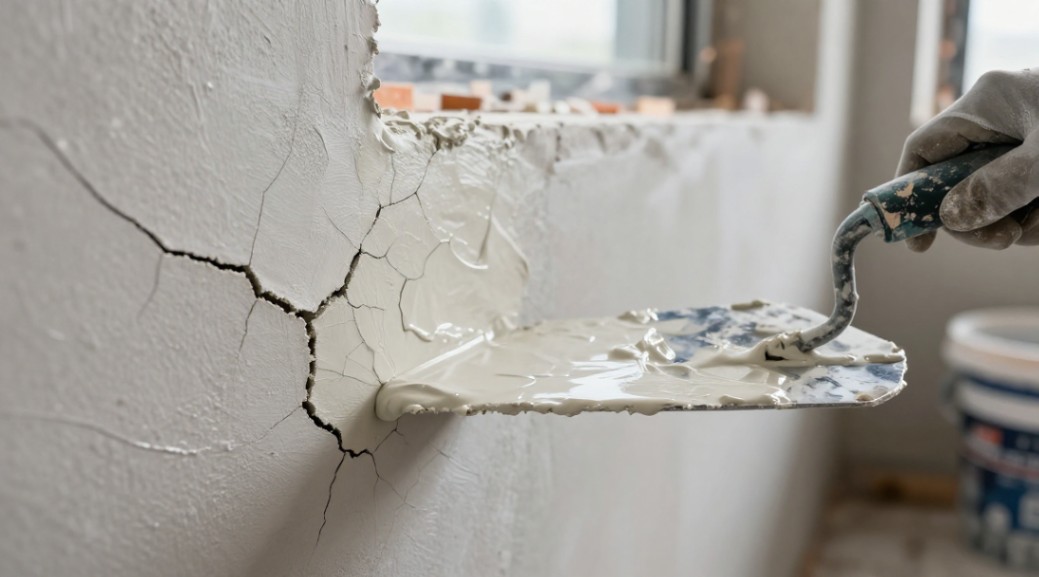
You’ve mixed a beautiful batch of cement plaster. It looks smooth. It spreads easily. But halfway through the wall, it starts to stiffen. You add more water. The next day, you find a spiderweb of shrinkage cracks. Sound familiar? This is the daily struggle without proper water retention. That’s where HPMC for cement based plaster and render becomes non-negotiable. It’s not just an additive; it’s the regulator that controls the entire hydration process, preventing the water from disappearing too quickly into the substrate or evaporating into the air.
HPMC Defined: The Multitasker in Your Mix
Hydroxypropyl Methylcellulose (HPMC) is a cellulose ether derived from plant fibers. In cementitious systems, we use it as a thickener, water-retaining agent, and workability aid. Think of it as a microscopic sponge and lubricant system. The polymer chains dissolve in water, creating a viscous solution that physically traps water within the plaster matrix. This gives cement particles the full time they need to hydrate and develop strength uniformly.
The Core Benefits: Beyond Just “Sticky Water”
Many users on construction forums ask, “Is HPMC just for making the mix thicker?” The answer is a definitive no. Its primary functions are deeply interconnected.
Superior Water Retention & Crack Prevention
This is the flagship benefit. Effective water retention directly combats plastic shrinkage cracking. When water evaporates faster than cement hydrates, the surface contracts and tears. HPMC forms a protective colloid layer, dramatically slowing evaporation. The result is a more controlled, gradual setting that allows for complete hydration from the surface down to the substrate interface.
Transforming Workability and Open Time
Good water retention naturally extends open time. Your crew has more minutes to spread, level, and texture the material before it stiffens. HPMC also imparts a buttery, cohesive feel. The plaster sticks to the trowel without being heavy and slides onto the wall without sagging. This lubricating effect reduces applied effort and improves finish quality.
Enhanced Adhesion and Cohesion
The viscous film formed by HPMC acts as a physical bridge between the fresh plaster and the substrate. It improves tensile adhesion, reducing the risk of delamination. Internally, it increases the paste’s cohesive strength, which is critical for vertical render applications where sag resistance is paramount.
Practical Application: Dosage, Selection, and Mixing
Here’s where theory meets the trowel. Getting HPMC right requires attention to detail.
Dosage Guidelines and Key Influences
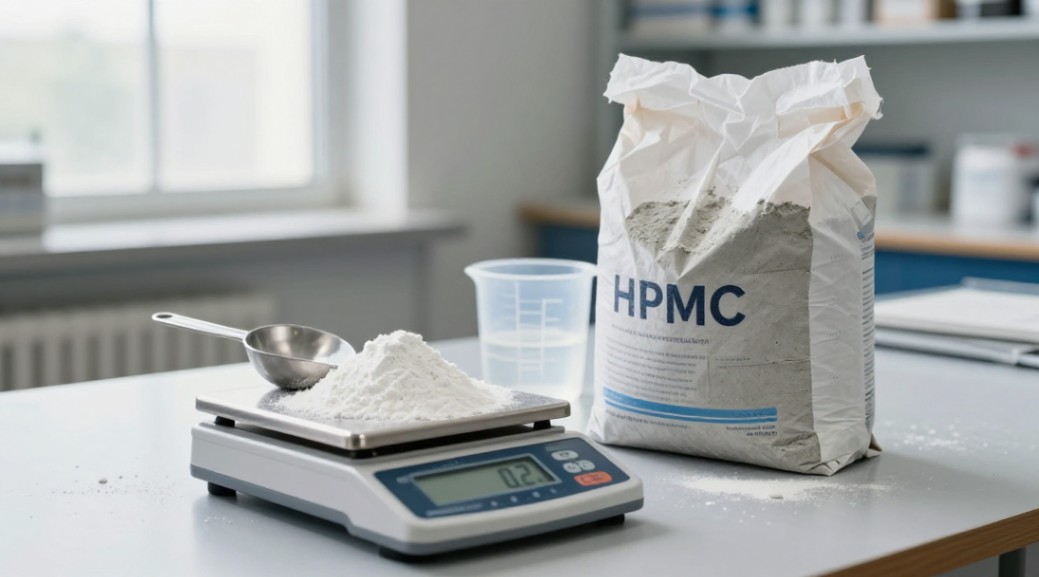
A typical dosage for HPMC in cement based plaster and render ranges from 0.1% to 0.5% by weight of cement. But this isn’t a fixed rule.
- Viscosity: Higher viscosity grades (e.g., 100,000 mPa.s) provide better water retention at lower dosages but can make mixing harder. Lower viscosity grades (e.g., 10,000-40,000 mPa.s) are common for their balance of performance and ease of incorporation.
- Temperature: HPMC’s gel point is crucial. Standard grades gel around 60-75°C. In hot climates, use a grade with a higher gel point to prevent premature thickening on sun-heated substrates.
- Substrate Absorption: Highly absorptive bricks or blocks demand a higher dosage or a pre-wetting strategy.
The Critical Mixing Procedure
This is the most common mistake. Never add dry HPMC powder directly to your mix. It will clump and never fully dissolve, creating gel balls in your finished wall. The correct method is a two-step process.
- Pre-disperse in Water: Add the HPMC powder slowly into the total mixing water while vigorously stirring. Let it hydrate for 3-5 minutes until the water becomes a clear, viscous solution.
- Add to Dry Mix: Add this HPMC solution to your sand and cement blend. Mix thoroughly. This ensures uniform distribution and maximum efficiency.
Selecting HPMC: Viscosity Versus Other Cellulose Ethers
HPMC is often compared to HEC (Hydroxyethyl Cellulose) or MC (Methyl Cellulose). For cement, HPMC is the superior choice. It offers better salt tolerance (important in cement’s high-pH environment) and typically provides better workability and adhesion. The choice between low, medium, or high viscosity depends on your application method: machine spray often favors lower viscosity for pumpability, while hand application can benefit from the body of a medium-viscosity grade.
Synergy with Other Additives
Modern plasters are rarely simple cement-sand mixes. HPMC works in concert with other key additives.
- Redispersible Polymer Powder (RDP): This is a powerful combination. HPMC handles water retention and workability, while RDP greatly improves flexibility, adhesion, and abrasion resistance. They are complementary, not substitutes.
- Air-Entraining Agents: HPMC can mildly entrain air, improving freeze-thaw resistance. Be mindful of total air content when using dedicated air-entraining admixtures.
Plaster vs. Render: Tailoring the Formulation
The terms are often used interchangeably, but their needs differ slightly.
- Internal Plaster: Focus is on finishability, minimal shrinkage, and sand crack resistance. A medium-viscosity HPMC at 0.15-0.25% is standard.
- External Render: Demands higher durability, water repellency (often from additives), and sag resistance. A slightly higher HPMC dosage (0.2-0.35%) with a medium-high viscosity grade is common to combat wind and sun exposure during application.
The Long-Term Payoff: Durability and Surface Quality
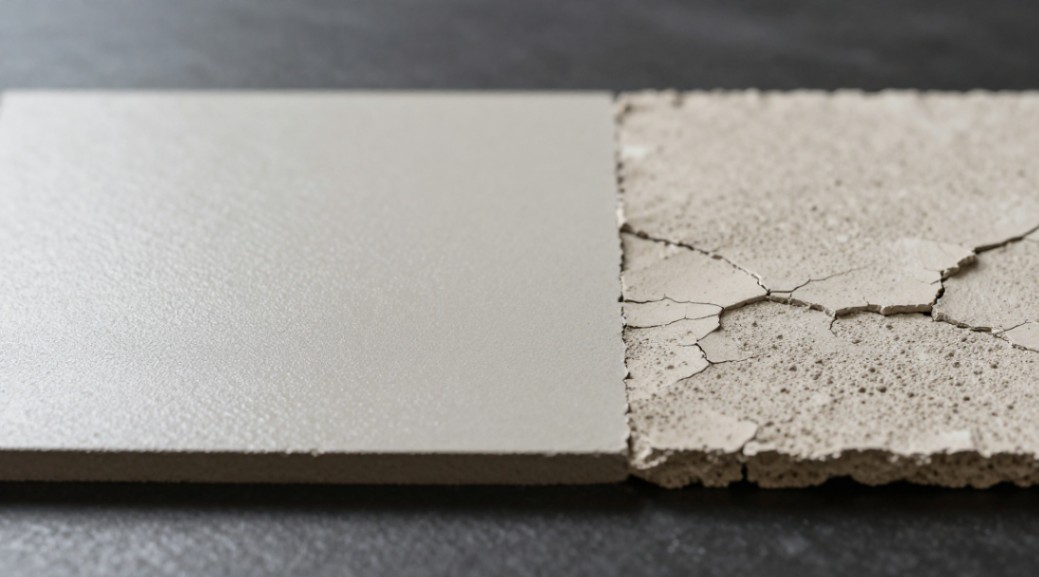
Using HPMC correctly isn’t just about easier application today. It’s an investment in the building’s future. Properly hydrated cement develops higher ultimate strength and a denser microstructure. This means better resistance to moisture ingress, reduced efflorescence, and a harder, more uniform surface that takes paint or texture flawlessly. You avoid callbacks for crack repairs. You build a reputation for quality.
The Bottom Line for Your Next Mix
Ignore HPMC, and you fight against the fundamental chemistry of cement. Master it, and you control the process. Start with a reliable medium-viscosity grade. Pre-disperse it in water every single time. Adjust dosage based on your substrate and climate. Pair it with polymer powders for high-performance finishes. The difference isn’t just in the bucket; it’s on the wall, years later, still looking perfect. That’s the real value this unseen ingredient delivers.
Supplier
We are the global leader in lightweight concrete and advanced engineered foam solutions. Known globally for its commitment to research, innovation, and applied expertise, we have been providing engineered foam solutions since the early 2012’s.
We can supply high-quality concrete admixture and foam concrete related products all over the world.
The company has a professional technical department and quality supervision department, a well-equipped laboratory, and equipped with advanced testing equipment and after-sales customer service center.
If you are interested, please feel free and contact us.