Concrete-mesa | Concrete Admixtures, Tools, and Production Machines

What is a Low Slump Concrete Water Reducer? A Master’s Guide to Taming Dry Mixes
Hitting a Wall with Stubborn Concrete?
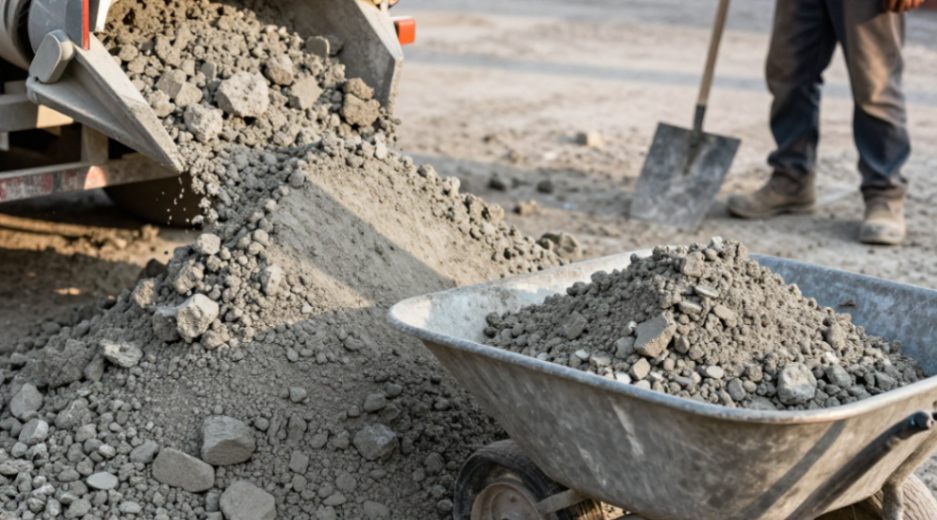
You’ve been there. The mixer discharges a batch that looks more like damp gravel than concrete. It’s stiff, uncooperative, and every attempt to place it feels like you’re wrestling with wet sand. Your crew is struggling, the pump is straining, and the clock is ticking. You know adding more water is the easy fix, but you also know it’s the professional sin that will weaken the final structure, leading to cracks, scaling, and a phone call you never want to receive. This is the world of low slump concrete, and it’s where the magic-or the misery-happens. The difference between the two often comes down to one critical tool: the low slump water reducer.
Low Slump Concrete Water Reducer, Defined
A low slump concrete water reducer is a chemical admixture specifically engineered to improve the workability and placeability of stiff, dry concrete mixes-those with a slump of 2 inches or less-without adding excess water. Think of it not as a lubricant, but as a molecular traffic controller. In its simplest form, a traditional water reducer, often a lignosulfonate-based formula, works by coating the cement particles. This coating gives them a negative charge, causing them to repel each other. That repulsion breaks apart clusters of cement, releasing the water trapped inside and making the entire mixture flow more freely. For low slump applications, this precise action is everything. It grants us the fluidity we need to place and consolidate a dense mix, while fiercely guarding the low water-cement ratio that delivers high strength and superior durability.
The Core Mechanism in the Mix
The job seems simple: make a dry, harsh mix easier to handle. The execution is precise. We aren’t just making it “wetter.” We are optimizing particle packing. By dispersing the cement and fine particles, the admixture unlocks the internal water already in the mix. This creates a paste that coats aggregates more efficiently, reducing internal friction. The result is concrete that remains cohesive and stable-it won’t segregate or bleed-but moves smoothly under vibration into every corner of the formwork. For mixes designed at 1-inch slump, a well-dosed low slump water reducer can make it behave like a 3-inch slump mix, but with the structural integrity of the original, drier design. That’s the alchemy we’re after.
Why This Tool is Non-Negotiable
We use low slump concrete for a reason: performance. Pavements, industrial floors, precast elements, and heavy-duty foundations demand density, abrasion resistance, and minimal shrinkage. A high-water mix fails on all counts. The water reducer becomes our essential partner. It allows for precise placement of these demanding mixes, ensuring complete consolidation around rebar and into tight spaces. Without it, you risk honeycombing, cold joints, and a weak surface. With it, you achieve a dense, homogeneous, and durable final product. The benefits are direct. Workability improves dramatically, reducing labour and equipment stress. The strength potential of the mix is fully realized because we haven’t diluted it. We get a finish that’s tight and hard from the outset.
Mastering the Application
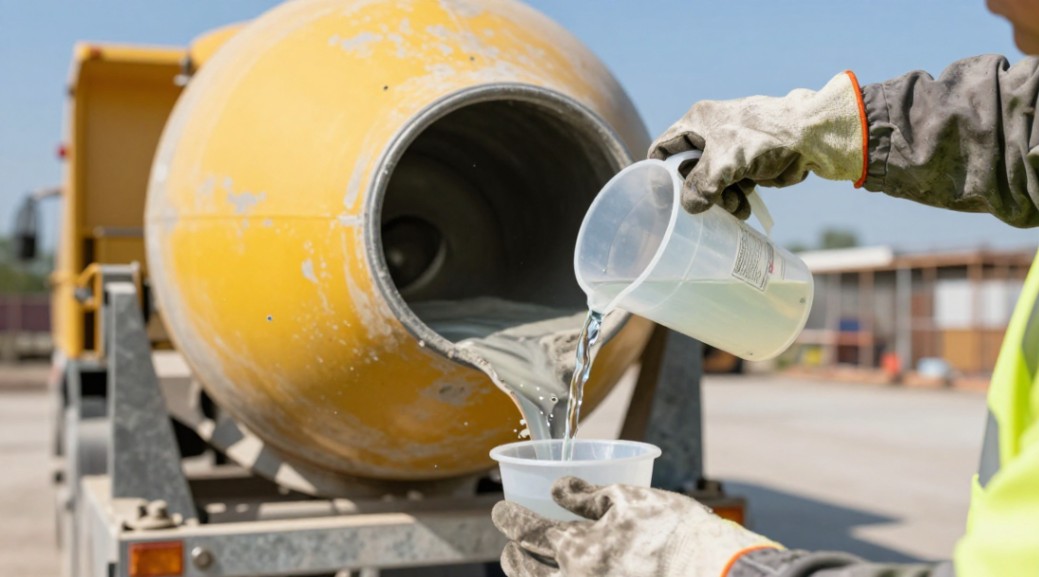
Success with a low slump water reducer isn’t automatic. It requires respect for the process. First, selection. For most standard low slump work, we rely on conventional or mid-range water reducers. For extreme conditions or where extended workability is needed, we might step up to a polycarboxylate ether (PCE)-based high-range product, but we adjust the mix design accordingly-these powerful dispersants can sometimes affect air content or set time. Dosing is critical. We follow the manufacturer’s guidelines based on cement weight, but we always verify with a site batch test. We add it with the mixing water for even distribution. A cardinal rule: we never use it to compensate for a fundamentally poor or inconsistent mix design. It’s a precision tool, not a cure-all.
The Pitfalls We Navigate Together
Even with the right admixture, things can go sideways. We’ve seen it. If the concrete temperature is too high, the admixture can lose effectiveness rapidly, leaving you with a truckload of setting rock. Incompatibility with other admixtures, like certain air-entraining agents, can cause unexpected foam or rapid slump loss. The most common mistake is overdosing in a panic. Too much can lead to excessive retardation, severe segregation, or a sticky mix that’s impossible to finish. The fix is always methodical. Start with the recommended dose from your supplier’s technical data sheet. Batch consistently. Test at the plant and again on-site. Keep detailed records of materials, temperatures, and results. This isn’t just chemistry; it’s disciplined practice.
The Uncompromising Verdict
For anyone placing low slump concrete, a dedicated water reducer is not an optional extra. It is the fundamental component that bridges the gap between an unworkable material and a high-performance, durable structure. It turns a backbreaking challenge into a manageable, predictable process. Trying to force a dry mix without it wastes time, money, and compromises the integrity of your work. The choice is clear. Stop fighting your concrete. Master it.
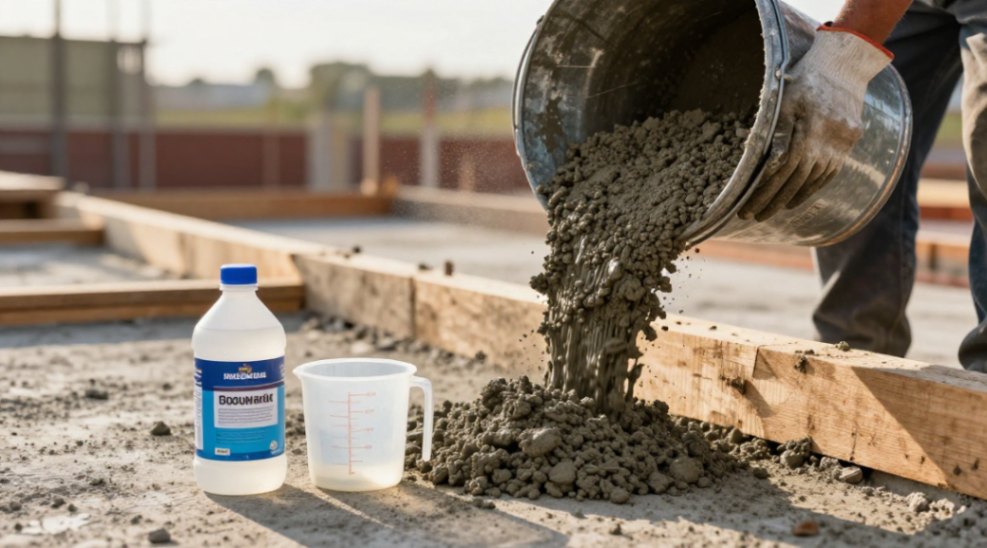
Ready to transform your next low slump pour from a struggle into a success? Don’t guess with your mixes. The right formulation makes all the difference. Consult with our technical team for a site-specific recommendation and get a sample tailored to your project’s aggregates and cement. Let’s build something solid together. Contact our admixture specialists today for your free mix design review.
Supplier
We are the global leader in lightweight concrete and advanced engineered foam solutions. Known globally for its commitment to research, innovation, and applied expertise, we have been providing engineered foam solutions since the early 2012’s.
We can supply high-quality concrete admixture and foam concrete related products all over the world.
The company has a professional technical department and quality supervision department, a well-equipped laboratory, and equipped with advanced testing equipment and after-sales customer service center.
If you are interested, please feel free and contact us.