Concrete4U | Concrete Admixtures, Tools, and Production Machines

How to Choose and Use the Best Concrete Admixtures for Your Project
1. Introduction
Just 24 hours ago, a major construction materials supplier announced a nationwide shortage of polycarboxylate ether (PCE)-based superplasticizers due to supply chain disruptions in Southeast Asia—a reminder of how critical it is to understand your admixture options and alternatives. Whether you’re pouring a backyard patio, reinforcing a foundation, or waterproofing a basement, choosing the right concrete admixture can make or break your project’s durability, finish, and timeline.
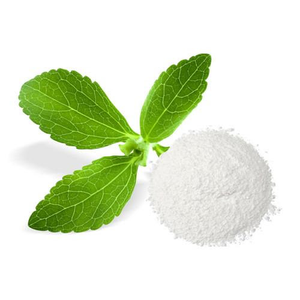
Concrete admixtures are chemical or mineral additives blended into concrete mixes to enhance performance, workability, or aesthetics. With dozens of types available—from plasticizers to fibers and foaming agents—knowing how to select and use them properly is essential. This guide gives you a clear, step-by-step approach to using the best admixture for concrete based on your specific needs.
2. Understanding Admixture Types
Before diving into application, it’s crucial to know the main categories of admixtures used in concrete. These fall into two broad groups: chemical admixtures and mineral admixtures.
- Chemical admixtures include superplasticizers, accelerators, retarders, air-entraining agents, and waterproofing additives.
- Mineral admixtures like fly ash or silica fume improve long-term strength and reduce permeability but are often used alongside chemical types.
Common concrete admixture types you’ll encounter include water reducing admixtures (like superplasticizer), concrete accelerator for faster curing, concrete retarder to delay setting in hot weather, and integral waterproofer for moisture resistance. Each serves a distinct purpose, and many projects benefit from combining several.
3. Step-by-Step Guide to Selecting and Using Key Admixtures
3.1. Improving Workability with Superplasticizers
If your mix is too stiff or hard to place, a superplasticizer is your go-to solution. Superplasticizer in concrete—also called high-range water reducer—can reduce water content by up to 40% while maintaining flow. This results in stronger, more durable concrete without adding extra cement.
To use: Add 0.5–2% by weight of cement of a PCE-based superplasticizer admixture during mixing. Always follow manufacturer dosage guidelines—overdosing can cause segregation or excessive slump loss. Popular options include polycarboxylate ether superplasticizer, known for its efficiency and compatibility with modern cements.
3.2. Controlling Curing Time with Accelerators or Retarders
Need fast curing concrete additives for a tight deadline? Use a concrete accelerator to shorten initial set time—ideal for cold-weather pours. Conversely, in summer heat, a concrete retarder admixture (or surface retarder concrete for decorative stamping) keeps the mix workable longer.
For accelerators: Add 1–3% of calcium chloride or non-chloride accelerating admixtures for concrete. Avoid chlorides in reinforced structures to prevent corrosion.
For retarders: Use sugar-based or lignosulfonate-based admixture retarder at 0.1–0.5% dosage. Test small batches first to avoid over-retarding.
3.3. Enhancing Freeze-Thaw Resistance with Air Entraining Agents
In climates with freezing winters, air entraining concrete is non-negotiable. An air entraining admixture introduces microscopic air bubbles that act as pressure relief valves when water freezes, preventing spalling and cracking.
Add 0.05–0.2% of an air entraining agent during batching. Target 4–7% air content for exterior slabs. Look for products labeled ‘air entraining cement’ or ‘air entraining concrete additive.’
3.4. Waterproofing with Integral Additives
For basements, pools, or wet areas, skip topical sealers and opt for a crystalline waterproofing admixture or cement waterproofing additive mixed directly into the batch. These react with moisture to form insoluble crystals that block capillaries.
Dosage typically ranges from 1–2% by cement weight. Products like concrete waterproof admix or waterproof admix provide long-term protection without maintenance. Note: These differ from surface-applied water coating solutions.
3.5. Adding Fibers for Crack Control and Strength
Fiber reinforced concrete uses reinforcement fiber for concrete—such as polypropylene fibres for concrete, steel fibers for concrete, or even coconut fiber reinforced concrete—to control plastic shrinkage cracks and improve impact resistance.
For residential slabs, 0.5–1.0 lb/yd³ of pp fiber concrete is sufficient. For industrial floors, consider macro fibers or steel fiber reinforced concrete. Mix fibers thoroughly to avoid clumping; add them early in the batching process.
Avoid confusing concrete fiber siding (a cladding product like Hardie concrete siding) with internal reinforcement fibers—they serve entirely different purposes.
4. Common Mistakes and How to Avoid Them
Even experienced contractors make errors with admixtures. Overusing superplasticizer can lead to bleeding or delayed setting. Mixing incompatible admixtures—like certain accelerators with PCE superplasticizers—can cause flash set or reduced effectiveness.
Always:
- Read the bio data sheet or technical data sheet before use.
- Conduct trial batches with your actual materials.
- Never substitute one admixture type for another without verification (e.g., don’t use a mid-range water reducer when a high-range superplasticizer is needed).
Also, remember that ‘ad mixtures’ isn’t a technical term—stick to ‘concrete admixtures’ or ‘chemical admixture for concrete’ for clarity and SEO.
5. Conclusion
Choosing the right admixture used in concrete isn’t just about following a recipe—it’s about understanding your environment, schedule, and structural needs. Whether you need a plasticizer for concrete to ease placement, an air entraining concrete additive for winter durability, or a concrete waterproofing additive for long-term protection, the key is precision in selection and dosage. With supply chains under pressure and new formulations like PCE superplasticizers dominating the market, staying informed ensures your concrete performs as intended—today and decades from now.
Our Website founded on October 17, 2012, is a high-tech enterprise committed to the research and development, production, processing, sales and technical services of ceramic relative materials such as How. Our products includes but not limited to Boron Carbide Ceramic Products, Boron Nitride Ceramic Products, Silicon Carbide Ceramic Products, Silicon Nitride Ceramic Products, Zirconium Dioxide Ceramic Products, etc. If you are interested, please feel free to contact us.