Concrete4U | Concrete Admixtures, Tools, and Production Machines

What is Hydroxyethyl Cellulose (HEC) in Drilling Fluids? The Definitive Guide for Performance & Cost
The Hidden Cost of Lost Circulation? HEC Might Be Your Answer
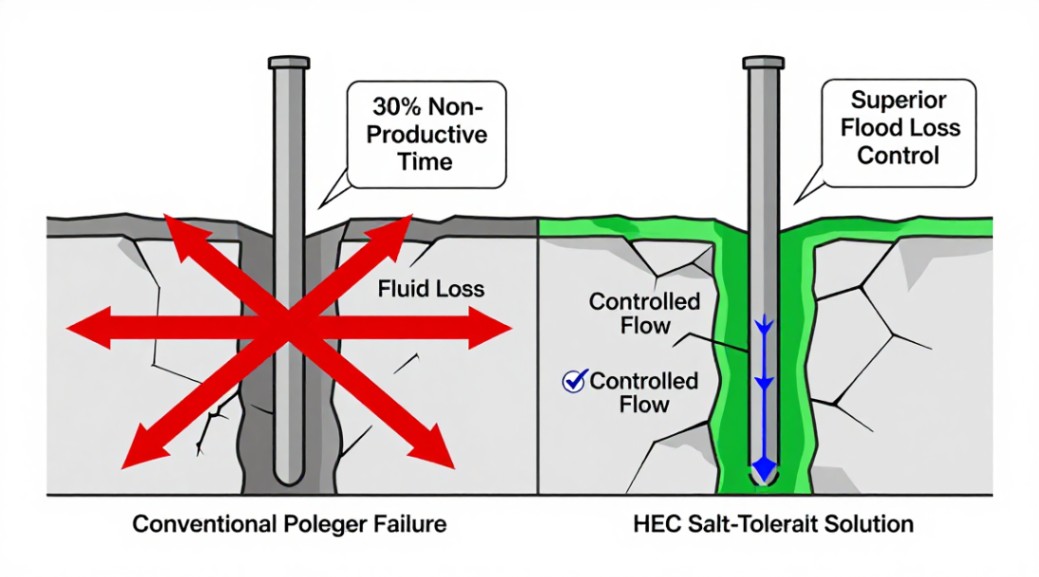
A recent internal study from a major operator showed that fluid loss control failures can account for over 30% of non-productive time on a well. This silent drain on budget and schedule often comes down to a single chemical choice. Many crews reach for familiar polymers, not realizing a superior salt-tolerant viscosifier has been available for decades. Let’s talk about hydroxyethyl cellulose in drilling fluid applications.
What is Hydroxyethyl Cellulose (HEC)?
Hydroxyethyl cellulose (HEC) is a non-ionic, water-soluble polymer derived from cellulose. In simple terms, it’s a refined natural product chemically modified to perform reliably in the harsh conditions of a wellbore. When added to water-based drilling fluids, HEC molecules unwind and hydrate, creating a thick, viscous gel. This gel performs two critical jobs: it lifts rock cuttings to the surface and plasters a protective filter cake on the wellbore wall. Its non-ionic nature is the key to its unique advantages.
How HEC Outperforms in Drilling Fluids
Engineers don’t choose additives at random. They select tools that solve specific problems. HEC excels in several core areas of drilling fluid performance. Its mechanism is elegant. As HEC hydrates, it forms a robust network of long polymer chains in the water phase. This network traps water, increases viscosity for cuttings transport, and seals micro-fractures to minimize fluid invasion into the formation.
The Core Mechanism: Viscosity and Wellbore Stabilization
HEC’s primary role is as a viscosifier and rheology modifier. It provides high low-shear-rate viscosity (LSRV), which is crucial for suspending cuttings when circulation stops. This prevents solids from settling and packing off the annulus. Simultaneously, it helps form a thin, impermeable filter cake. This cake stabilizes the wellbore and dramatically reduces fluid loss.
Champion of Salt Tolerance and Compatibility
This is where HEC truly shines. Unlike many ionic polymers (like some PACs), HEC’s non-ionic structure remains stable in the presence of high concentrations of monovalent salts (like NaCl, KCl) and divalent salts (like CaCl₂). It won’t precipitate. This makes it indispensable in salt-saturated brines, seawater, and high-hardness make-up water. Furthermore, HEC plays well with others. It is fully compatible with most common drilling fluid additives like clays, starches, and synthetic polymers.
HEC vs. Common Alternatives: A Clear Comparison
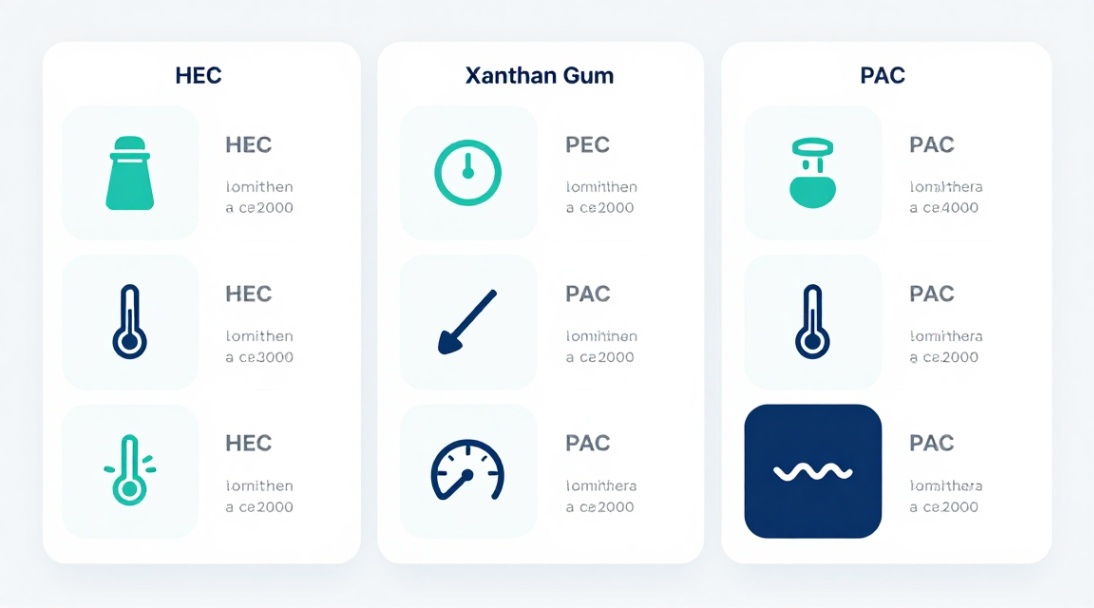
Many users on industry forums like Reddit’s r/oilandgasworkers frequently ask, “When do I use HEC over Xanthan Gum or PAC?” The feedback is telling. Experienced mud engineers highlight HEC for specific, tough scenarios. Let’s break it down.
| Polymer | Key Strength | Key Limitation | Best For |
|---|---|---|---|
| Hydroxyethyl Cellulose (HEC) | Excellent salt tolerance, non-ionic, good fluid loss control | Lower suspension ability than XG in fresh water | Salt-saturated fluids, high-hardness water, workover/completion fluids |
| Xanthan Gum (XG) | Superior suspension & hole cleaning in fresh water, strong gel structure | Viscosity breaks down in high salt, susceptible to bacterial degradation | Freshwater spud muds, high-angle directional drilling where suspension is critical |
| Polyanionic Cellulose (PAC) | Excellent fluid loss control, thermal stability | Viscosity significantly reduced by high salt/divalent cations | High-temperature wells, freshwater/low-salinity fluids where fluid loss is the main concern |
Practical Application and Field Success
Understanding the theory is one thing. Applying it successfully is another. For hydroxyethyl cellulose in drilling fluid applications, proper mixing is non-negotiable. You must disperse HEC into the fluid vigorously to avoid “fisheyes” (ungelled lumps). Use a hopper or a high-shear mixer. Allow adequate hydration time-sometimes 30 minutes or more-for full viscosity development. This patience pays off in consistent performance downhole.
Common applications leverage its strengths: high-temperature drilling (where its thermal stability helps), shale drilling (where its fluid loss control stabilizes reactive clays), and completion and workover fluids (where its clean, non-damaging nature is vital). Its environmental profile is also a benefit. HEC is readily biodegradable under aerobic conditions, which can simplify waste management compared to some synthetic polymers.
Why This All Matters for Your Bottom Line
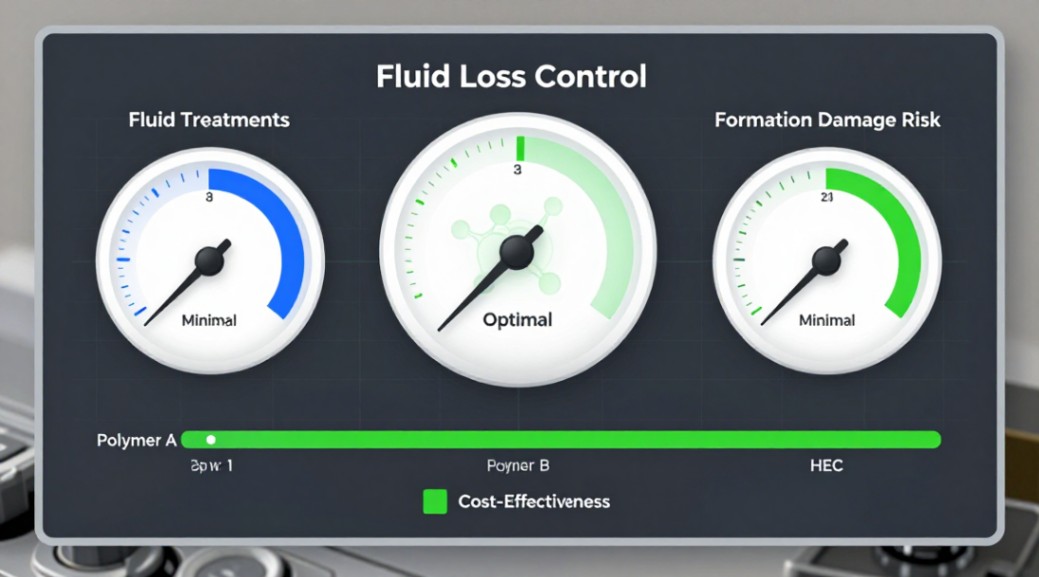
The right polymer choice isn’t just chemistry; it’s economics. Using HEC where it’s suited-in salty, harsh environments-prevents costly fluid treatments, reduces the risk of stuck pipe from poor hole cleaning, and minimizes formation damage. Its cost-effectiveness comes from doing one job very well with fewer side effects. You use less product to fight fluid loss, and you avoid the downtime of a polymer failing in the middle of a salt section.
Your Next Step: Test HEC with Confidence
Don’t let past fluid issues repeat on your next well. If you’re planning a well with high salinity, using seawater, or needing a robust yet environmentally considerate fluid, hydroxyethyl cellulose deserves a spot in your mud program. Talk to your fluid service provider today. Specifically ask them to design a pilot test comparing your current system to one fortified with HEC. Measure the fluid loss and rheology in your actual brine. See the difference in gel strength and filter cake quality firsthand. Making this switch could be the simplest decision you make to safeguard your wellbore and your budget.
Supplier
We are the global leader in lightweight concrete and advanced engineered foam solutions. Known globally for its commitment to research, innovation, and applied expertise, we have been providing engineered foam solutions since the early 2012’s.
We can supply high-quality concrete admixture and foam concrete related products all over the world.
The company has a professional technical department and quality supervision department, a well-equipped laboratory, and equipped with advanced testing equipment and after-sales customer service center.
If you are interested, please feel free and contact us.