Concrete4U | Concrete Admixtures, Tools, and Production Machines

5 Costly Mistakes to Avoid When Choosing an Eco Friendly Concrete Mould Release Agent
The Wall That Cost Us Thousands
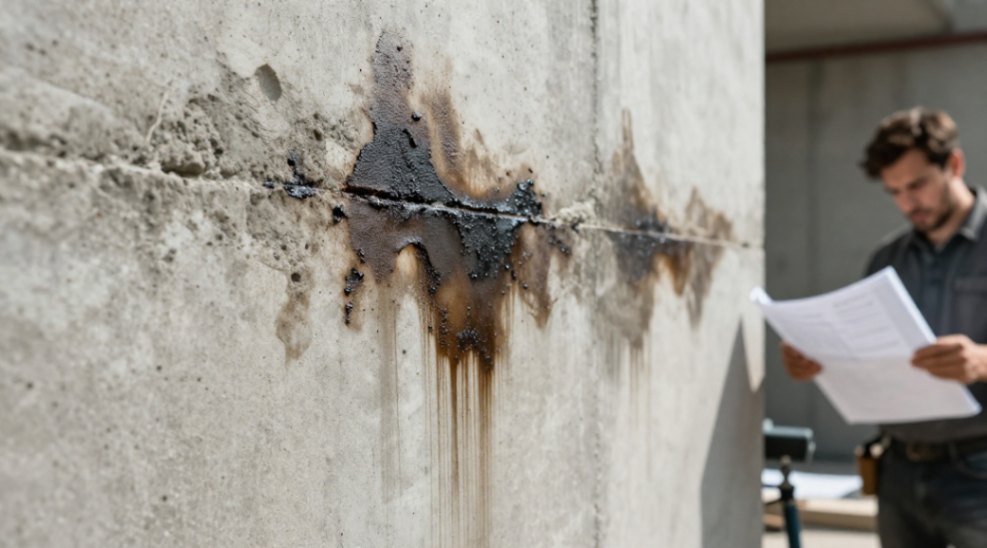
Years ago, I watched a beautiful, curving architectural wall get stripped. The crew had used the contractor’s “standard” petroleum-based release agent. The concrete came away clean, yes. But the wall surface was mottled with permanent, dark oil stains. The architect was furious. The solution? Sandblasting the entire feature. That extra labor and material cost wiped out the project’s profit margin. I promised myself I’d find a better way. Today, eco friendly concrete mould release agent formulations are that better way. But choosing the wrong one, or using it incorrectly, can lead to new, expensive problems. Let’s walk through the common pitfalls so you can sidestep them.
1. Mistake: Assuming “Eco-Friendly” Means Weak Performance
The biggest fear is a failed release. A stuck panel is a disaster. Many assume plant-based oils or bio-based polymers can’t compete with slick petroleum. This is a dangerous myth. Logic tells us: a release agent’s job is to create a temporary, continuous barrier. Petroleum does this with a film of oil. Modern eco friendly concrete mould release agent chemistry uses ingredients like modified soybean esters that do the same thing-often better. They form a more stable film that doesn’t soak into porous wood forms as readily. The result? Consistent release and a pristine, stain-free surface. Never judge performance by the base ingredient alone. Judge by the formulation.
2. Mistake: Ignoring VOC Content and Worker Health
You smell traditional agents before you see them. That sharp, chemical odor is volatile organic compounds (VOCs) off-gassing. In an enclosed formwork area or a precast plant, these vapors concentrate. Headaches, dizziness, and long-term respiratory issues are real risks for your crew. A true eco friendly concrete mould release agent slashes VOC content, often to near-zero levels. This isn’t just a “green” checkbox. It’s a direct investment in worker health and indoor air quality. Healthier workers are more alert, productive, and have lower absenteeism. Ignoring this swaps short-term cost savings for significant long-term human and productivity costs.
What to Check on the SDS (Safety Data Sheet)
- Section 9: Physical/Chemical Properties: Look for VOC content listed in grams per liter (g/L). A true low-VOC agent will be under 50 g/L, many are under 10.
- Section 8: Exposure Controls/PPE: Heavy requirements for respirators and gloves are a red flag for harsh chemistry.
- Certifications: Look for mentions of compliance with strict air quality standards like SCAQMD or EU VOC directives.
3. Mistake: Sabotaging Concrete Recyclability
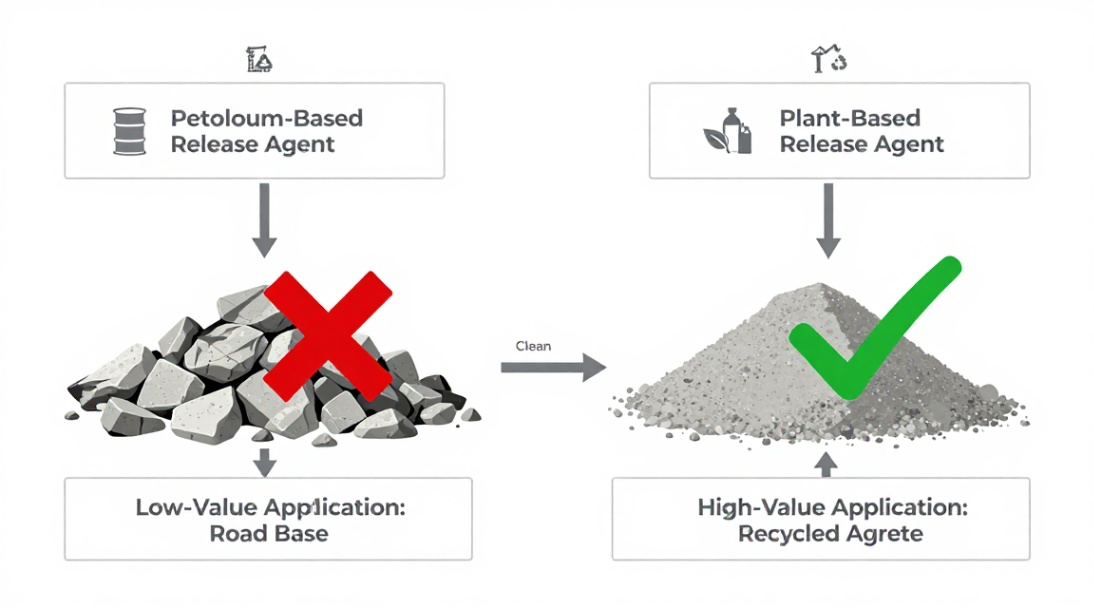
Think beyond the pour. Modern sustainable construction aims for cradle-to-cradle design. What happens to the concrete debris after demolition? Petroleum-based films contaminate the crushed aggregate. This oily residue can hinder the bonding of new cement paste, making the recycled aggregate suitable only for low-grade applications like road base. A plant-based release agent, however, typically presents minimal contamination. The clean, crushed concrete maintains its value as high-quality recycled aggregate. Choosing the wrong agent today can severely limit the future value and sustainability of the structure you’re building right now.
4. Mistake: Misapplying the Product and Blaming It
Even the best agent fails if applied wrong. The most common error is over-application. A puddled, dripping form creates runs on the concrete face. Another is under-application on corners and tight details, leading to sticking. Consistency is key.
Best Practices for Flawless Application
- Clean Forms First: Remove all old concrete, dirt, and previous release agent residue. A contaminated surface guarantees problems.
- Choose the Right Tool: Use a low-pressure sprayer (like a garden sprayer) set to a fine mist, a roller, or a brush for small areas. Never use a high-pressure washer.
- Apply a Uniform, Thin Film: Cover every surface, especially inside corners and ribs. The goal is a sheen, not a wet, shiny coat. 1 litre should cover 15 to 25 square meters, depending on form porosity.
- Let It Dry/Set: Allow the agent to fully dry or penetrate (per manufacturer instructions) before placing concrete. This usually takes 10-30 minutes.
5. Mistake: Focusing Only on Upfront Cost
Yes, a premium eco friendly concrete mould release agent often has a higher price per gallon. Stopping your analysis here is a critical error. You must consider total cost. Factor in the value of a perfect surface with no remedial staining or cleaning. Factor in reduced PPE costs and a healthier work environment. Factor in the higher future value of clean, recyclable concrete. Most importantly, factor in formwork life. Petroleum oils can degrade rubber gaskets and certain plastics, and they attract grime that abrades forms. A clean, plant-based formula can extend your expensive formwork’s lifespan by many cycles. The math almost always favors the green choice over the life of the project.
Your Path to a Smarter, Cleaner Build
Your goal is simple: a perfect release, a beautiful finish, a safe site, and a responsible project. Avoiding these five mistakes gets you 90% of the way there. The final step is selection. When you evaluate products, look for clear data on bio-based content, VOC levels, and compatibility with your specific formwork material (steel, wood, fiberglass, rubber). Trust formulations that are transparent about their ingredients. In my work, I’ve moved exclusively to systems that prioritize high-performance plant and soy-based chemistry. They solve the core problems we started with-no stains, safe air, and clean recycling. Start with a test panel on your next project. See the difference in the finish. Smell the difference on site. You’ll quickly understand this isn’t just a product swap. It’s a smarter way to build.
Supplier
We are the global leader in lightweight concrete and advanced engineered foam solutions. Known globally for its commitment to research, innovation, and applied expertise, we have been providing engineered foam solutions since the early 2012’s.
We can supply high-quality concrete admixture and foam concrete related products all over the world.
The company has a professional technical department and quality supervision department, a well-equipped laboratory, and equipped with advanced testing equipment and after-sales customer service center.
If you are interested, please feel free and contact us.