Concrete4U | Concrete Admixtures, Tools, and Production Machines

10 Essential Things You Need to Know About Admixtures in Modern Concrete Construction
1. Introduction
Just 48 hours ago, a major infrastructure project in Texas announced the use of advanced polycarboxylate ether (PCE)-based superplasticizers to achieve ultra-high-strength concrete with reduced water content—showcasing how modern admixtures are revolutionizing sustainable construction. As concrete remains the world’s most widely used building material, admixtures have become indispensable tools for engineers, contractors, and DIY builders alike.
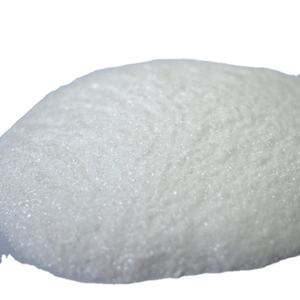
Whether you’re pouring a driveway, constructing a high-rise, or renovating your home with concrete siding, understanding admixtures can make the difference between a mediocre result and a long-lasting, high-performance structure. Let’s dive into the essentials of admixtures used in concrete today.
2. What Are Admixtures?
Admixtures—sometimes spelled ‘ad mixtures’—are ingredients added to concrete, mortar, or grout before or during mixing to modify its properties. These concrete additives can improve workability, accelerate or delay setting time, enhance strength, add color, or provide waterproofing. They fall into two broad categories: chemical admixtures and mineral admixtures.
Chemical admixtures include liquids or powders like superplasticizers, accelerators, and air-entraining agents. Mineral admixtures, such as fly ash or silica fume, are finely ground materials that react with cement to improve long-term performance.
3. Common Types of Concrete Admixture
The market offers dozens of concrete admixture types, but here are the most widely used:
- Water reducing admixtures (including mid-range and high-range water reducers like superplasticizers)
- Concrete accelerator and concrete retarder formulations
- Air entraining admixture for freeze-thaw resistance
- Integral waterproofer and crystalline waterproofing admixture
- Fiber reinforcement (polypropylene, steel, or even coconut fiber)
- Foaming agents for lightweight cellular concrete (also called CLC foaming agent)
- Colorants and release agents for decorative stamped concrete
Each serves a specific purpose, and many modern mixes combine several admixtures to meet complex design requirements.
4. Superplasticizers: The Game-Changer in Concrete Chemistry
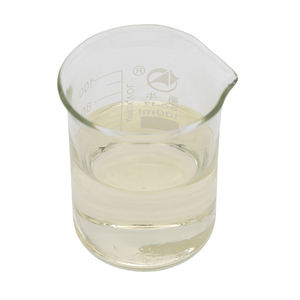
Among all concrete chemicals, superplasticizers stand out for their ability to drastically reduce water content while maintaining or even improving flow. Also known as high-range water reducers, super plasticizers like polycarboxylate ether (PCE) or naphthalene-based variants allow for stronger, more durable concrete with less cement—cutting costs and carbon footprint.
Superplasticizer in concrete is especially valuable in precast elements, self-consolidating concrete, and high-performance applications. When choosing the best superplasticizer for concrete, factors like compatibility with cement type, dosage, and ambient temperature matter greatly. Brands like Chryso offer specialized superplasticizer admixture solutions tailored to regional needs.
5. Waterproofing and Durability Enhancers
Waterproofing admixture for concrete is critical in basements, bridges, and marine structures. Options include integral waterproofer, cement waterproofing additive, and crystalline waterproofing admixture, which reacts with moisture to form insoluble crystals that block capillary pores.
These admixture waterproofing systems eliminate the need for external membranes, saving time and labor. A quality concrete waterproof admix not only repels water but also resists chloride ingress and chemical attack—extending service life significantly.
6. Setting Time Control: Accelerators vs. Retarders
Concrete accelerator curing time can be shortened by up to 50% using accelerating admixtures for concrete—ideal for cold-weather pours or fast-track projects. Conversely, a concrete retarder admixture delays hydration, useful in hot climates or for large continuous pours where workability must be maintained longer.
Surface retarder concrete products are also used in exposed-aggregate finishes, allowing the top layer to be washed away after initial set to reveal decorative stones or pebbles.
7. Air Entraining and Freeze-Thaw Protection
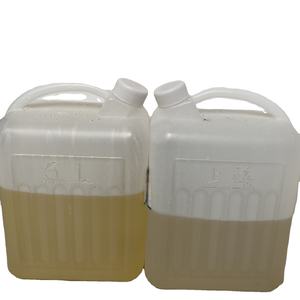
Air entraining concrete contains microscopic air bubbles created by an air entraining agent. These bubbles act as pressure relief valves during freeze-thaw cycles, preventing cracking and spalling. Air entraining cement is standard in northern U.S. and Canadian infrastructure codes.
Though it slightly reduces compressive strength, the trade-off in durability makes air entraining admixture essential for outdoor slabs, pavements, and bridge decks.
8. Fiber Reinforcement: Beyond Steel Rebar
Fibers for concrete—such as polypropylene fibres for concrete, steel fibers for concrete, or even natural options like coconut fiber reinforced concrete—add tensile strength, reduce cracking, and improve impact resistance. Fiber reinforced concrete is now common in industrial floors, shotcrete, and even residential concrete siding.
Products like Fibermesh concrete or macro fibers help control plastic shrinkage cracks without traditional rebar. For homeowners, concrete fiber siding (also marketed as fibercement siding by brands like Hardie or CertainTeed) offers a wood-like aesthetic with superior fire and pest resistance—and at competitive concrete siding cost levels.
9. Specialty Additives: Color, Foam, and Release Agents
Colored concrete has surged in popularity for patios and driveways. Stamped concrete colors range from charcoal and terra cotta to white and blue, applied using colored concrete powder or stains. A concrete release agent—often a spray or powder—prevents stamps from sticking during patterning.
Meanwhile, concrete foaming agent enables the production of lightweight foam concrete (aircrete), used in insulation blocks and void filling. Protein-based or synthetic foaming agents create stable bubbles, with CLC foaming agent price varying by region and performance grade.
10. Choosing the Best Admixture for Your Project
There’s no universal ‘best admixture for concrete’—the right choice depends on climate, structural demands, budget, and desired finish. Always consult technical data sheets (sometimes called bio data sheet in older terminology) and consider compatibility with your cement type. For DIYers, many concrete additives—including plasticizer for concrete, concrete water reducer, and cement admixture—are available at retailers like Home Depot.
When in doubt, start with proven categories: a polycarboxylate superplasticizer for strength, an integral waterproofer for wet areas, and polypropylene fiber for crack control.
11. Conclusion
From superplasticizer admixture to crystalline waterproofing and fiber reinforcement, modern admixtures empower builders to push the limits of what concrete can do. As sustainability and performance drive innovation, these concrete chemicals will only become smarter, greener, and more accessible. Whether you’re a contractor or a homeowner exploring concrete siding for homes, understanding admixtures is your first step toward better builds.
Our Website founded on October 17, 2012, is a high-tech enterprise committed to the research and development, production, processing, sales and technical services of ceramic relative materials such as 10. Our products includes but not limited to Boron Carbide Ceramic Products, Boron Nitride Ceramic Products, Silicon Carbide Ceramic Products, Silicon Nitride Ceramic Products, Zirconium Dioxide Ceramic Products, etc. If you are interested, please feel free to contact us.