Concrete-mesa | Concrete Admixtures, Tools, and Production Machines

How to Choose and Use the Best Concrete Admixtures for Your Project
1. Introduction
Just 24 hours ago, a major construction firm in Texas reported significant delays due to unexpected cold weather slowing concrete curing—a problem easily avoided with the right concrete accelerator. This highlights how critical admixtures are in modern building projects. Admixtures aren’t just optional extras; they’re essential tools that solve real problems like slow setting, water damage, cracking, and poor finish.
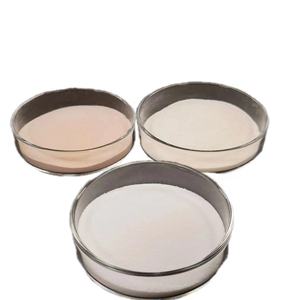
Whether you’re pouring a driveway, building a foundation, or installing decorative stamped concrete, understanding which admixture to use—and how—can save time, money, and headaches. In this guide, we’ll break down the most common types of admixtures, when to use them, and how to apply them correctly.
2. Understanding Admixture Types
Concrete admixtures are chemical or mineral additives mixed into concrete to modify its properties. They fall into two broad categories: chemical admixtures and mineral admixtures.
Chemical admixtures include superplasticizers, accelerators, retarders, air-entraining agents, and waterproofing additives. Mineral admixtures—like fly ash or silica fume—enhance long-term strength and durability.
Among the most widely used are water reducing admixtures, especially superplasticizers. These dramatically improve workability without adding extra water, which weakens concrete.
3. How to Select the Right Admixture for Your Needs
Not all projects need the same admixture. Start by identifying your main challenge:
- Need faster curing? Use a concrete accelerator to shorten setting time—ideal for cold weather or tight schedules.
- Pouring in hot weather? A concrete retarder admixture slows hydration, giving you more time to place and finish.
- Worried about freeze-thaw damage? Add an air entraining admixture to create microscopic air bubbles that absorb expansion stress.
- Want a smoother, stronger pour? A superplasticizer in concrete (like polycarboxylate ether-based types) boosts flow while cutting water content by up to 40%.
- Need waterproofing? Choose a crystalline waterproofing admixture or integral waterproofer that reacts with cement to block moisture permanently.
For aesthetic finishes like colored or stamped concrete, combine your chosen color powder with a compatible release agent—but avoid oil-based form release agents that can interfere with surface treatments.
4. Step-by-Step Guide to Adding Admixtures to Concrete
Always follow the manufacturer’s dosage instructions. Overuse can cause segregation, excessive bleeding, or delayed setting.
Step 1: Determine the correct dosage based on cement weight (usually 0.1%–2% by weight).
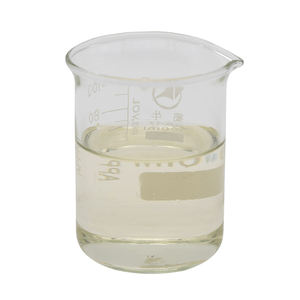
Step 2: Add the admixture to mixing water before introducing it to the dry mix—this ensures even distribution.
Step 3: Mix thoroughly for at least 3–5 minutes. For superplasticizers, some contractors add half at the start and the rest mid-mix to control slump loss.
Step 4: Test a small batch first. Check workability, setting time, and finish quality before full-scale use.
Note: Never add extra water to compensate for stiffness—it defeats the purpose of using a plasticizer for concrete or water reducer.
5. Common Problems and Quick Fixes
Problem: Concrete sets too fast in summer heat.
Solution: Use a concrete retarder admixture or surface retarder concrete for decorative applications.
Problem: Cracking or scaling after winter.
Solution: Ensure proper air entraining was used—typically 4%–7% air content for exterior slabs in cold climates.
Problem: Water seeping through basement walls.
Solution: Switch to a waterproofing admixture for concrete, such as a cement waterproofing additive or crystalline system that self-seals micro-cracks.
Problem: Fibers clumping in fiber reinforced concrete.
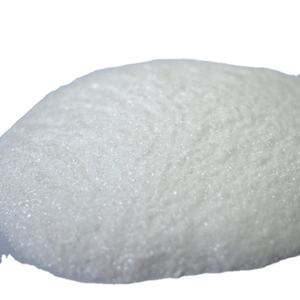
Solution: Add polypropylene fibres for concrete slowly during mixing, or pre-blend them with sand. Use macro fibers for structural reinforcement or microfibers for crack control.
6. Specialized Admixtures Worth Knowing
Beyond basics, niche admixtures solve specific issues:
- Foaming agents for foam concrete (like protein-based or synthetic CLC foaming agents) create lightweight blocks for insulation.
- Fast curing concrete additives help emergency repairs or rapid-turnaround jobs.
- Additives for mortar improve bond strength in tile or stucco work.
Brands like Chryso offer high-performance superplasticizer admixtures tailored for extreme conditions. Always check the bio data sheet for compatibility with your cement type.
7. Final Tips for Success
Store admixtures in cool, dry places—heat and moisture degrade performance.
Don’t mix different admixture types without checking compatibility; some combinations (e.g., certain accelerators with superplasticizers) can cause flash set.
For home projects like concrete siding or patios, products from Home Depot or Certainteed often include pre-formulated concrete additives—just verify they match your climate and design needs.
8. Conclusion
Choosing the best admixture for concrete isn’t about using the most—it’s about using the right one. From superplasticizers that boost flow to air entraining agents that fight frost, each admixture plays a precise role. By matching your project’s challenges with the correct concrete chemicals, you’ll achieve durable, beautiful, and long-lasting results every time.
Our Website founded on October 17, 2012, is a high-tech enterprise committed to the research and development, production, processing, sales and technical services of ceramic relative materials such as How. Our products includes but not limited to Boron Carbide Ceramic Products, Boron Nitride Ceramic Products, Silicon Carbide Ceramic Products, Silicon Nitride Ceramic Products, Zirconium Dioxide Ceramic Products, etc. If you are interested, please feel free to contact us.