Concrete-mesa | Concrete Admixtures, Tools, and Production Machines

The Definitive Guide to Sealing Concrete Floors with Sodium Silicate
The Problem with Traditional Sealers
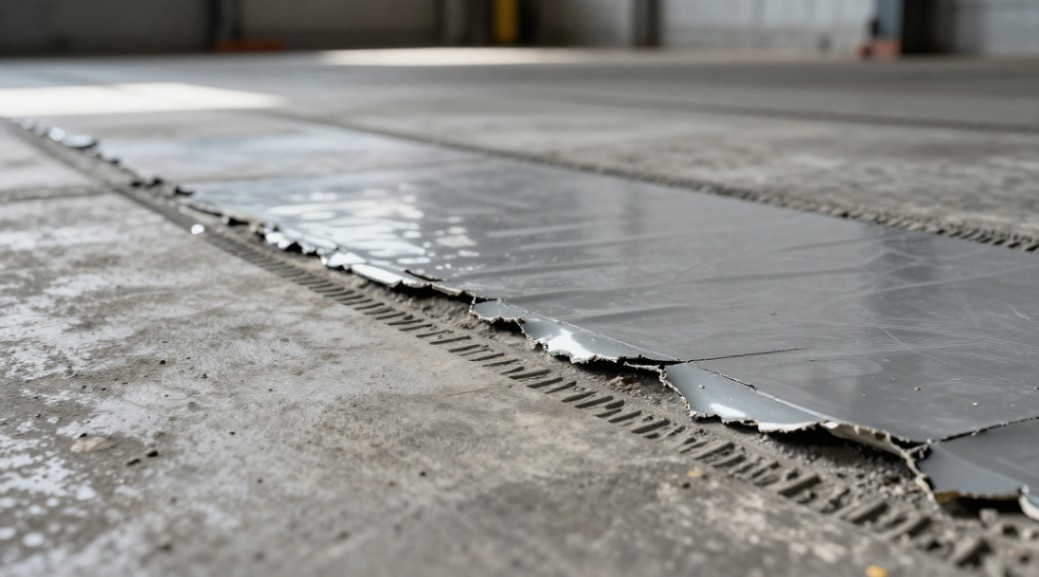
For twenty years, I’ve watched facility managers fight a losing battle. They apply thick, glossy epoxy sealers to warehouse floors, only to see them scar, peel, and fail under forklift traffic within months. The initial shine fades, replaced by a costly, ugly maintenance headache. This cycle of disappointment led me to a fundamentally different solution. Not a topical coating, but a chemical transformation from within. That solution is sealing concrete floors with sodium silicate.
What is Sodium Silicate? A Chemical Densifier, Not a Coating
Sodium silicate, often called water glass, is a penetrating concrete densifier. It does not sit on the surface. The solution reacts with free lime (calcium hydroxide) within the concrete matrix, forming additional calcium silicate hydrate (C-S-H) gel. This is the same binder that gives concrete its strength. The reaction permanently fills microscopic pores, creating a harder, denser, and dust-proof surface layer. It becomes part of the slab itself.
Sodium Silicate vs. Other Concrete Sealers: An Objective Comparison
Choosing the right sealer requires understanding core functional differences. Here is a direct comparison.
| Sealer Type | Mechanism | Key Advantages | Key Disadvantages | Best For |
|---|---|---|---|---|
| Sodium Silicate (Penetrating Densifier) | Chemical reaction within concrete pores. | Creates integral surface hardness; eliminates dusting; highly chemical resistant; breathable; long-lasting. | No glossy finish; minimal aesthetic change; not a moisture barrier; requires precise application. | Industrial floors, warehouses, mechanical rooms, high-traffic areas needing durability over looks. |
| Epoxy / Urethane (Topical Film) | Forms a thick, protective layer on top. | High-gloss aesthetic; excellent chemical barrier; wide color options. | Can peel or delaminate; slippery when wet; degrades under UV light; difficult to repair; requires perfect surface prep. | Showrooms, commercial kitchens, areas where aesthetics and spill containment are critical. |
| Acrylic (Topical Sealer) | Forms a thin, protective film. | Inexpensive; easy to apply; enhances color. | Low durability; requires frequent reapplication; poor chemical resistance; can become slippery. | Temporary protection, interior decorative concrete with light traffic. |
The Critical Application Process: A Step-by-Step Guide
Success with sodium silicate hinges on impeccable surface preparation and controlled chemical feeding. Here is the non-negotiable sequence.
1. Surface Preparation: The Foundation of Success
New concrete must cure for a minimum of 28 days. The surface must be clean, open, and free of contaminants. Mechanical grinding or aggressive acid etching is mandatory to remove laitance (the weak surface layer) and open the pores. Any existing sealers, paints, or oils will block penetration and cause failure. The concrete must be uniformly damp before application; a saturated surface dry (SSD) condition is ideal to facilitate capillary action.
2. Application & Reaction Process
Apply a flood coat using a low-pressure sprayer, nylon roller, or floor scrubber. The goal is to maintain a consistent wet film for 20-30 minutes, allowing the solution to penetrate. The concrete will darken as it absorbs the liquid. Do not let it puddle and dry on the surface. After 30-45 minutes, apply a second flood coat. The chemical reaction begins immediately but continues for 7-14 days.
3. Post-Application & Curing
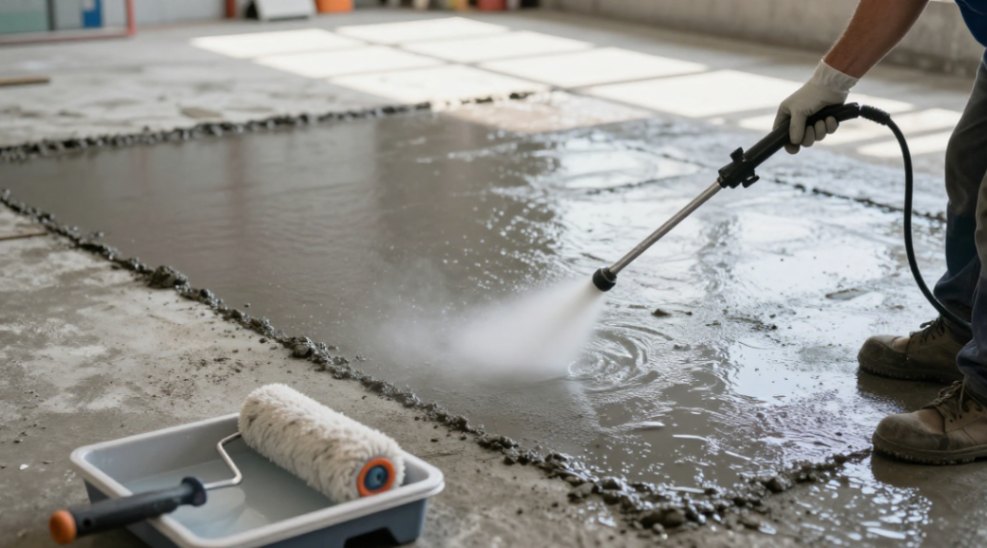
This is the most commonly skipped, and most critical, step. Within 1-2 hours of the final application, you must thoroughly rinse the floor with clean water. Use an auto-scrubber or pressure washer to remove any unreacted silicate residue, which will appear as a white, powdery scum if left. Failure to rinse will result in a sticky, compromised surface. Allow the floor to cure for 24-72 hours before subjecting it to light traffic.
The Unvarnished Truth: Limitations and Drawbacks
Sodium silicate is not a universal cure. Understand its constraints before committing.
- Not a Moisture Barrier: It does not stop water vapor transmission. Do not use it to mitigate slab moisture issues.
- Minimal Aesthetic Change: It will slightly darken concrete and may impart a low sheen when burnished, but it will not create a high-gloss, “wet” look.
- Surface Condition Dependent: It cannot magically fix a soft, spalling, or degraded slab. It densifies what is already there.
- Precision Required: The timing of application and rinsing is not flexible. DIY attempts often fail here.
The Final Verdict: Who Should Use Sodium Silicate?
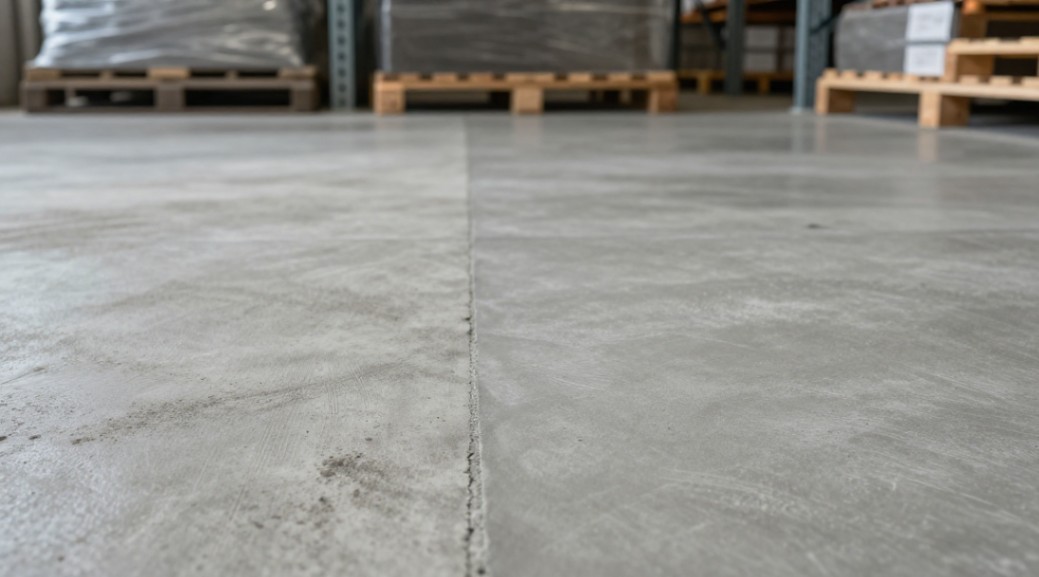
If your primary goals are hardened durability, dust-proofing, and chemical resistance for a functional industrial space, sodium silicate is objectively superior to film-forming sealers. Its longevity and low maintenance profile make it a cost-effective champion. However, if you seek a glossy, colorful finish or need a vapor barrier, look to epoxies or specialized coatings. The choice is clear once you define the problem: Are you coating a floor, or are you upgrading the concrete itself?
Stop Wasting Money on the Wrong Solution
You now possess the data to make an informed decision. For facility managers, plant engineers, and warehouse owners, the evidence overwhelmingly supports sodium silicate densification for core operational areas. However, precise execution is everything. The margin for error is small. For a guaranteed result that unlocks the full chemical and mechanical benefits, partner with a specialist. Our team brings the two decades of experience detailed in this guide directly to your project. Contact us today for a professional assessment and quote. Let’s transform your concrete from the inside out.
Supplier
We are the global leader in lightweight concrete and advanced engineered foam solutions. Known globally for its commitment to research, innovation, and applied expertise, we have been providing engineered foam solutions since the early 2012’s.
We can supply high-quality concrete admixture and foam concrete related products all over the world.
The company has a professional technical department and quality supervision department, a well-equipped laboratory, and equipped with advanced testing equipment and after-sales customer service center.
If you are interested, please feel free and contact us.