Concrete4U | Concrete Admixtures, Tools, and Production Machines

What Is a High Efficiency Defoamer for Mortar? | Definition, Science & Best Practices
The Hidden Enemy in Your Mix
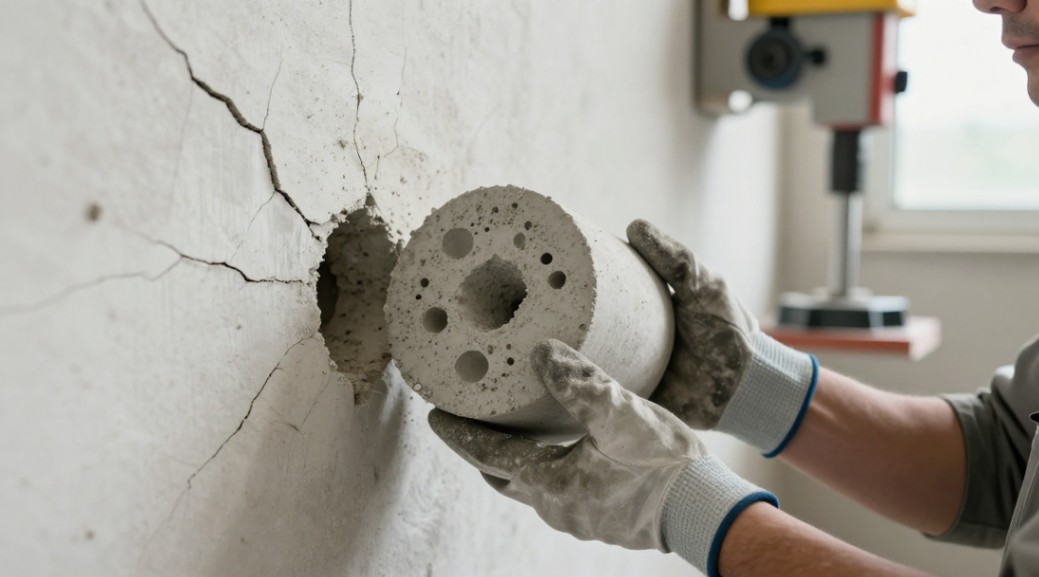
On a large-scale housing project last year, we encountered a perplexing failure. The wall render showed perfect workability during application. Two days later, hairline cracks appeared across entire sections. Core sampling revealed the culprit: inconsistent, weak pockets riddled with trapped air. The specified plasticizer was reacting with impurities in the sand, generating a stable, destructive foam that no standard admixture could control. The repair cost topped six figures. This scenario is not rare. It defines the precise problem a high efficiency defoamer for mortar is engineered to solve.
Defining the High Efficiency Defoamer
A high efficiency defoamer for mortar applications is a specialized chemical admixture designed to rapidly collapse and prevent the formation of undesirable air bubbles during mixing and processing. Its “high efficiency” designation stems from three core attributes: immediate knock-down power, long-lasting persistence in the alkaline cement environment, and precise compatibility that avoids side-effects on set time or strength. Unlike air-entraining agents, which deliberately create stable, microscopic bubbles for freeze-thaw resistance, a defoamer targets large, irregular, and unstable foam that damages the mix.
The High Cost of Uncontrolled Foam
Why is foam so detrimental? The physics are straightforward. Air is a poor building material. Excess foam creates voids in the mortar matrix. These voids become points of stress concentration.
- Compressive & Flexural Strength Loss: Every 1% volume of unwanted air can reduce compressive strength by 4-6%. For a structural repair mortar requiring 50 MPa, this is catastrophic.
- Poor Surface Durability: Surface pops, pinholes, and scaling occur as bubbles trapped near the face rupture. This accelerates carbonation and chloride ingress.
- Inconsistent Density & Yield: Foam inflates volume deceivingly, leading to inaccurate yield calculations and variable coverage rates.
- Finish Defects: In self-leveling or decorative mortars, foam causes surface blemishes, orange peel texture, and poor clarity in finished floors.
How a High Efficiency Defoamer Works
These defoamers operate on a physio-chemical principle. They are typically hydrophobic substances like modified polysiloxanes or mineral oil blends. Upon addition to the foaming mortar, their low surface tension allows them to spread rapidly across the air-liquid film surrounding each bubble. This spreading action destabilizes the film, causing it to thin and rupture. A premium defoamer does this selectively, targeting harmful macro-foam while respecting intentional micro-air from entrainment. Users on construction forums often note the difference: “Switching to a true high-efficiency type meant our screeds went from needing a secondary skim coat to being ready for sealing directly after grinding. The bubble pits disappeared.”
Selecting the Right Defoamer: A Practical Guide
Choosing any defoamer is easy. Choosing the correct high efficiency defoamer for your mortar requires analysis. Use these criteria.
1. Chemical Compatibility
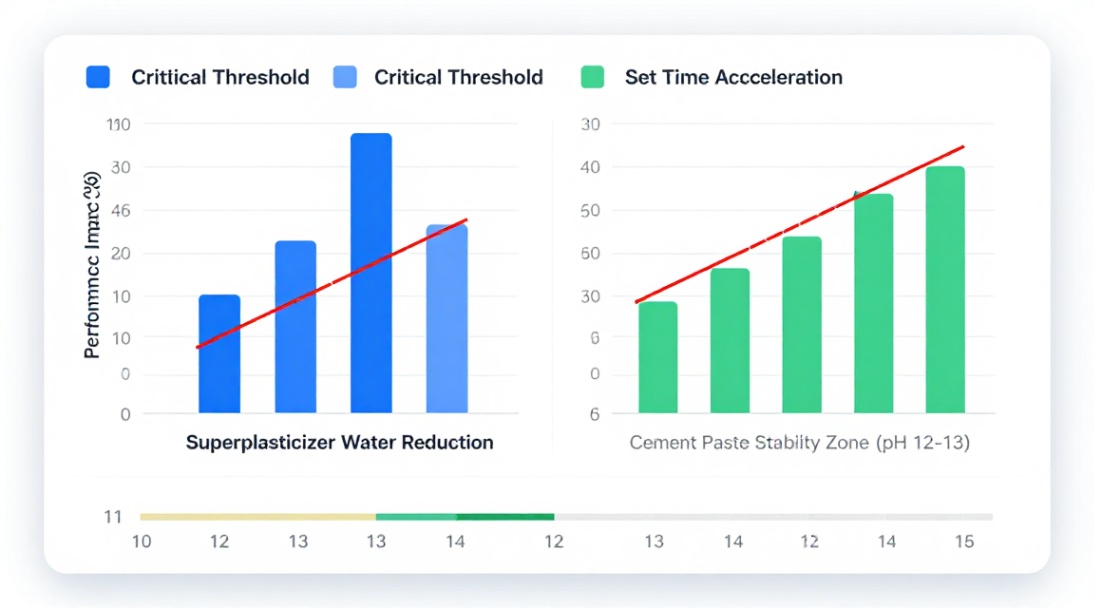
The defoamer must not interfere with other admixtures. Common red flags include reduced water reduction from superplasticizers or accelerated set times. It must be stable across a pH range of 12-13 (fresh cement paste). Test it in your full formulation.
2. Performance Under Shear
Good defoamers work in a bucket. High-efficiency defoamers maintain efficacy under high-shear mixing in continuous plants and through pumping. Ask for data from a forced action mixer test (like ASTM C173/C173M-16).
3. Dosage Efficiency & Impact
Typical dosage ranges from 0.05% to 0.3% by weight of cement. The optimal product delivers consistent foam control at the lower end of this range. Overdosing can cause surface tearing or oily spots. Start low and adjust.
4. Long-Term Stability
The product should have a shelf life of at least 12 months without separation. In the mortar, its effect should persist for the duration of the workable life, especially critical for retarded mixes or ready-mix applications.
Application and Best Practices
Correct incorporation is half the battle. Follow this protocol.
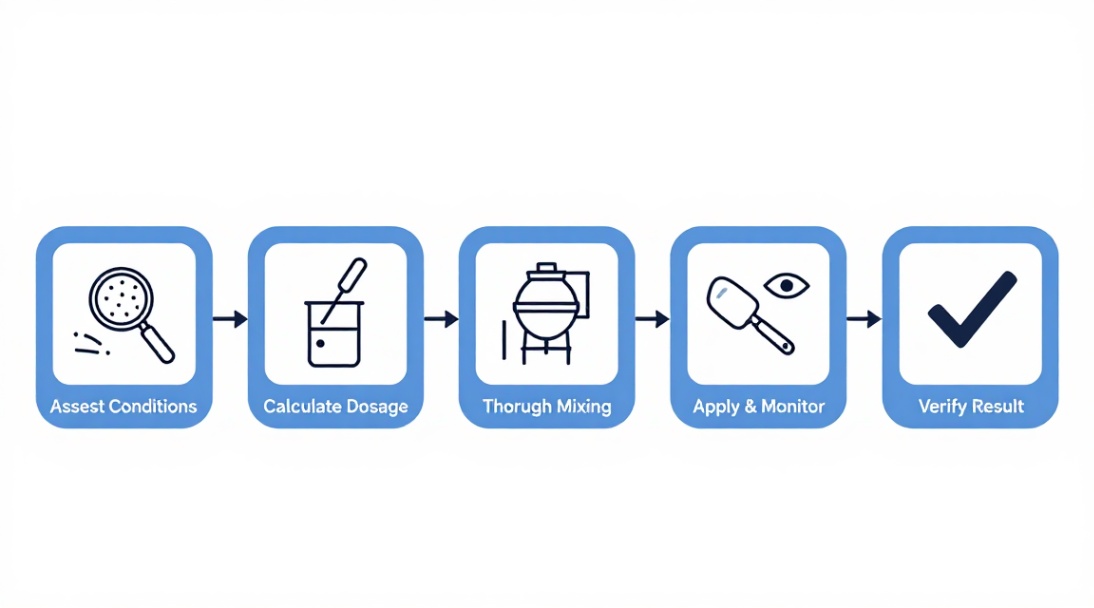
- Addition Point: Introduce the defoamer with the mixing water or immediately after the other liquid admixtures. This ensures even distribution.
- Mixing Regime: Ensure adequate mixing time post-addition, typically 2-3 minutes in a high-speed mixer, to fully disperse the active components.
- Quality Control: Measure fresh mortar density (e.g., using a litre weight cup) as a quick check for foam control. A stable, target density indicates proper defoamer function.
The Bottom Line for Professionals
In modern mortar systems laden with powerful surfactants and fine fillers, foam is not a minor nuisance. It is a primary failure risk. A high efficiency defoamer for mortar is the critical insurance policy that guarantees your mix delivers its designed strength, durability, and finish. It transforms a variable, temperamental material into a predictable, high-performance one. The data from lab cores and job site feedback are unequivocal. Specifying and using a purpose-built, high-efficiency defoamer is not an added cost. It is a fundamental safeguard for project integrity and longevity. Your next step is to evaluate your current mixes: conduct a simple density test and inspect hardened samples for macro-voids. The results will dictate your precise need.
Supplier
We are the global leader in lightweight concrete and advanced engineered foam solutions. Known globally for its commitment to research, innovation, and applied expertise, we have been providing engineered foam solutions since the early 2012’s.
We can supply high-quality concrete admixture and foam concrete related products all over the world.
The company has a professional technical department and quality supervision department, a well-equipped laboratory, and equipped with advanced testing equipment and after-sales customer service center.
If you are interested, please feel free and contact us.