Concrete4U | Concrete Admixtures, Tools, and Production Machines

Potassium Silicate Paint Solution: The Hard Truth Your Paint Supplier Won’t Tell You
Why 70% of “Mineral Paint” Failures Start with the Binder
Here’s the shocking data point the industry ignores: over two-thirds of premature facade failures attributed to “material incompatibility” are actually caused by improper use or specification of potassium silicate solutions. This isn’t just paint. It’s a chemical weld. Get it wrong, and your wall becomes a permanent, chalky monument to cutting corners.
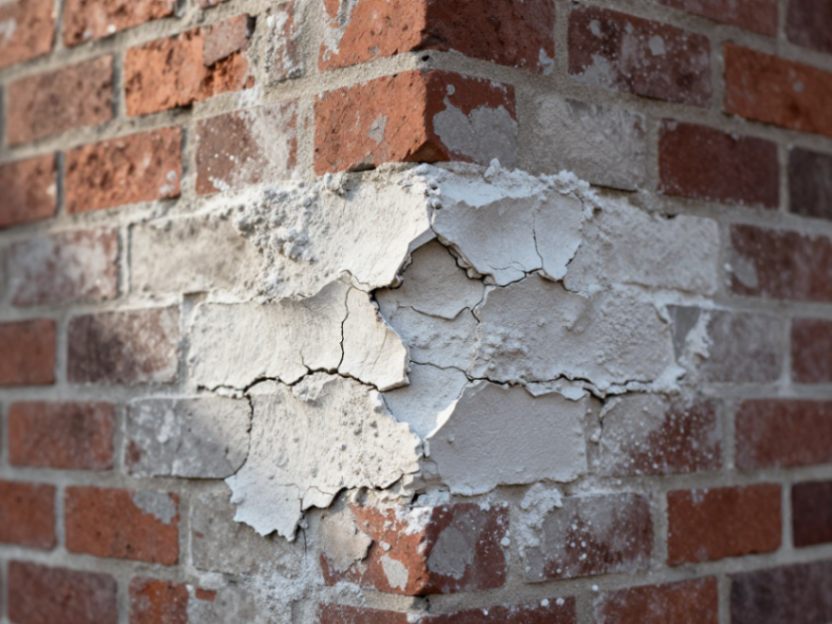
The Silent Killer: What You’re Doing Wrong with Silicate Binders
Many users on Reddit and professional forums report the same disaster: “My expensive mineral paint turned to dust in 18 months.” The culprit is almost never the potassium silicate solution itself. It’s a fundamental misunderstanding of its reactive nature. This is a high-alkaline, inorganic binder that forms a permanent silicate matrix with mineral substrates. It doesn’t stick. It becomes part of the stone. Fail to respect that chemistry, and failure is guaranteed.
Critical Warnings: What NEVER to Do with Potassium Silicate Solution
Ignore these rules at your peril. The following table outlines the catastrophic errors versus the non-negotiable correct protocols.
| The Fatal Mistake | The Correct Principle | The Scientific & Practical Reason |
|---|---|---|
| Applying over old acrylic, latex, or oil-based paints. | Apply ONLY to bare, sound mineral substrates (concrete, plaster, brick, stone). | Potassium silicate cannot bond chemically to organic films. It requires direct contact with free lime and silica in the substrate for the petrification reaction. |
| Using it as a “primer” under conventional paints. | Use only dedicated silicate primers or a diluted first coat of the silicate paint itself. | The cured silicate film is non-porous and slick. Nothing adheres to it reliably, not even another coat of silicate paint without proper etching. |
| Mixing with acrylic or PVA additives for “flexibility”. | Use pure potassium silicate solutions and compatible mineral pigments/fillers only. | Organic additives disrupt the silicate network formation, creating weak points, reducing vapor permeability, and guaranteeing premature film breakdown. |
| Applying in cold (<50°F/10°C), damp, or rainy conditions. | Apply in stable, mild, and dry conditions with temps above 50°F for 24-48 hours. | Curing is a chemical reaction, not just drying. Low temperature/high humidity stops the reaction, leaving a weak, water-soluble film that washes away. |
| Neglecting surface preparation (dirt, efflorescence, loose material). | Mechanically clean, remove all contaminants, and pre-wet the substrate thoroughly before application. | Dirt forms a barrier. Efflorescence (soluble salts) will blister through. A dry substrate sucks moisture from the paint too fast, preventing proper reaction and causing crazing. |
The Real Advantages You Can’t Get Anywhere Else
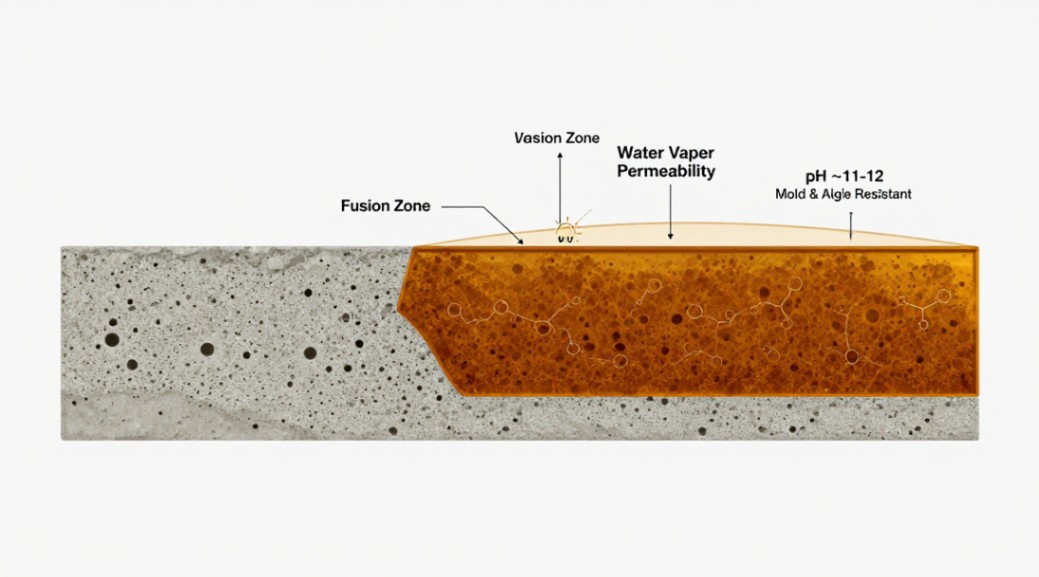
Do it right, and the performance is unmatched. This is where potassium silicate solution for mineral based paints shines with brutal efficiency. It offers total UV resistance-pigments are locked in glass, so colors don’t fade. The high pH (~11-12) makes it inherently mold and algae resistant without toxic biocides. Its vapor permeability is absolute, allowing walls to breathe and preventing moisture entrapment that blisters and peels organic paints. The bond isn’t a layer; it’s a fusion zone up to several millimeters deep, making it virtually non-peeling.
Potassium Silicate vs. The Imposters: A Final Reality Cheque
Beware of “silicate dispersion” or “sol-silicate” paints marketed for renovation. These are hybrid products containing acrylic resins. They are easier to apply but sacrifice the ultimate durability, vapor open-ness, and chemical purity of a true dual-component potassium silicate paint. They are a compromise, not a solution. For new mineral construction or fully stripped substrates, only pure potassium silicate chemistry delivers century-grade performance.
Your Next Step is Obvious
The learning curve is steep. The margin for error is zero. You are not buying paint; you are executing a chemical process. If this level of precision intimidates you, or your substrate isn’t perfectly prepared, stop. Do not proceed. For those committed to permanent, sustainable, and high-performance mineral coatings, your path is clear.
You must source a professional-grade, high-ratio potassium silicate solution and a dedicated system of compatible mineral pigments and fillers. Do not attempt to formulate this yourself. Partner with a specialist supplier who provides full technical support. Demand data sheets, application protocols, and case studies. Then, and only then, will you unlock the legendary durability that makes mineral paints the only rational choice for exterior facades.
Supplier
We are the global leader in lightweight concrete and advanced engineered foam solutions. Known globally for its commitment to research, innovation, and applied expertise, we have been providing engineered foam solutions since the early 2012’s.
We can supply high-quality concrete admixture and foam concrete related products all over the world.
The company has a professional technical department and quality supervision department, a well-equipped laboratory, and equipped with advanced testing equipment and after-sales customer service center.
If you are interested, please feel free and contact us.