Concrete4U | Concrete Admixtures, Tools, and Production Machines

The Ultimate Guide to Using Sodium Silicate Binder for Refractory Materials
Frustrated with Binder Breakdown?
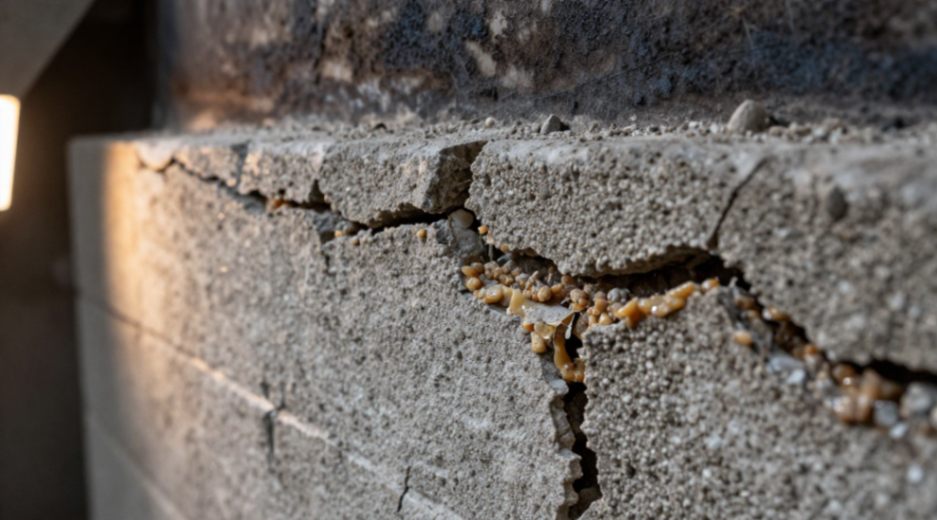
Have you ever watched a refractory lining crack prematurely? You invested time and material, only to see it fail under thermal cycling or chemical attack. That crumbling face often points to a weak link: the binder. Many binders can’t handle the heat or set too slowly on the job site. That’s why we, as refractory specialists, rely on a classic, powerful solution: the sodium silicate binder for refractory materials. Let’s fix your bonding issues together.
What is a Sodium Silicate Binder?
Sodium silicate binder, often called water glass, is an inorganic adhesive. We make it by fusing silica sand and soda ash. The result is a clear, viscous liquid that acts as a powerful inorganic glue for refractory aggregates like alumina, fireclay, or silica. It works through two main mechanisms: cold-setting chemical hardening and heat-induced ceramic bonding. This dual action gives it a unique edge.
Why Choose It? The Key Advantages
We pick sodium silicate binders for specific jobs where other options fall short. Cement can be slow and weak at intermediate temperatures. Organic resins burn out and can create fumes. Sodium silicate fills this gap perfectly.
Step-by-Step: How to Work With Sodium Silicate Binder
Success depends on your process. Follow these steps.
<strong>Step 1: Selection and Mixing
First, choose the right silicate modulus (SiO2 to Na2O ratio) and solids content. A higher modulus generally gives better heat resistance. Weigh your dry refractory aggregates precisely. Add the liquid sodium silicate binder gradually while mixing. Aim for a uniform, moldable consistency. Don’t over-mix.
Step 2: Forming and Placement
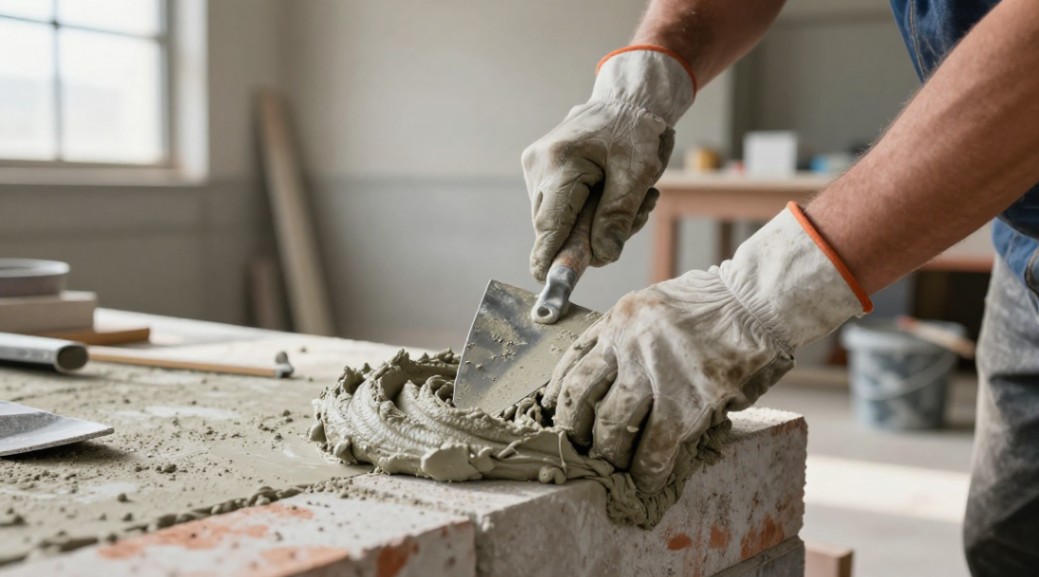
You can cast it into shapes, gun it onto a wall, or ram it into place. The binder allows good workability. Shape your mix quickly after combining, as the setting reaction begins immediately.
Step 3: Curing and Drying
This is critical. The material first sets by gelation and dehydration at ambient temperatures. Provide good air circulation. Then, you must drive off the remaining water with controlled, gradual heating. We typically heat to 150-300°C. Rushing this step causes steam spalling.
Step 4: Service Performance
In service, the real magic happens. Heat above 800°C sinters the silicate, forming a strong, ceramic bond that excels in high-temperature environments and offers good slag resistance.
Sodium Silicate vs. Other Binders: A Quick Comparison
| Binder Type | Key Mechanism | Best For | Watch Out For |
|---|---|---|---|
| Sodium Silicate | Chemical setting + Ceramic sintering | Monolithics, repair, acidic slags | Moisture sensitivity before curing |
| Calcium Aluminate Cement | Hydraulic setting | High-strength castables | Intermediate temperature weakness |
| Phosphate | Acid-base reaction | Very high hot strength | Cost, mix chemistry control |
| Organic Resins (Phenolic) | Polymerization | Carbon-containing refractories | Fumes during heat-up, burnout |
Formulation and Application Specifics
A typical castable formulation might use 90-95% aggregate and 5-10% sodium silicate binder (liquid basis). The exact ratio depends on aggregate size and density. We use it in furnace patching, foundry ladle linings, and as a coating for existing brickwork. Its environmental benefit is clear: no volatile organic compounds (VOCs) and low toxicity.
The Real-World Limitations
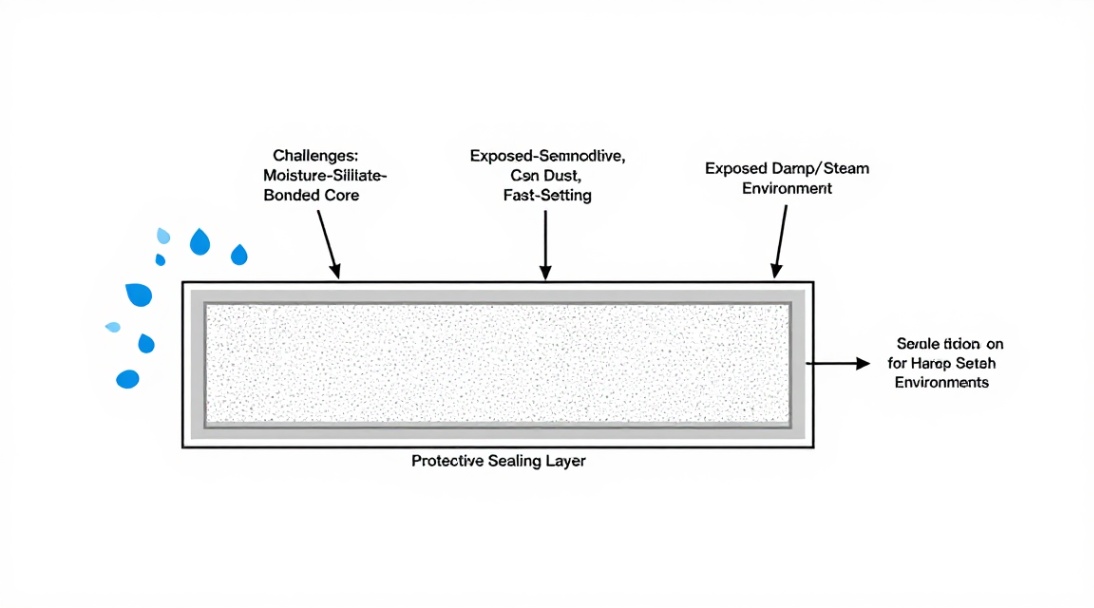
We must address the challenges. Sodium silicate-bonded materials are moisture-sensitive before final firing. They can dust if not handled properly. The setting time is fast, which is great for productivity but requires efficient placement. You cannot use it in constantly damp or steam-heavy environments without protective sealing.
Your Next Move: Implement with Confidence
Stop dealing with unreliable bonds. The sodium silicate binder for refractory materials provides a proven, strong, and cleaner solution for high-temperature lining. For your next repair job or monolithic lining project, make it your first choice. To get started, we recommend consulting with a material supplier who can provide the correct modulus binder for your specific aggregate and furnace atmosphere. Test a small batch first, follow the curing schedule rigidly, and you will see the difference in longevity and performance.
Supplier
We are the global leader in lightweight concrete and advanced engineered foam solutions. Known globally for its commitment to research, innovation, and applied expertise, we have been providing engineered foam solutions since the early 2012’s.
We can supply high-quality concrete admixture and foam concrete related products all over the world.
The company has a professional technical department and quality supervision department, a well-equipped laboratory, and equipped with advanced testing equipment and after-sales customer service center.
If you are interested, please feel free and contact us.