Concrete4U | Concrete Admixtures, Tools, and Production Machines

Unlock Advanced Performance: How Specialized Admixtures Are Revolutionizing Fiber-Reinforced Concrete Siding
1. Introduction
In a major move signaling growing confidence in advanced building materials, leading fiber cement manufacturer James Hardie announced on April 17, 2024, a strategic partnership with Chryso to integrate next-generation polycarboxylate ether (PCE) superplasticizers into its North American siding production lines. This development underscores a broader industry shift toward high-performance concrete admixtures that enable thinner, stronger, and more weather-resistant fiber-reinforced concrete panels for residential exteriors. As demand surges for durable, low-maintenance, and wood-like alternatives such as concrete fiber siding and fibercement siding, the role of specialized admixtures has become indispensable—not merely as additives but as performance-defining components.
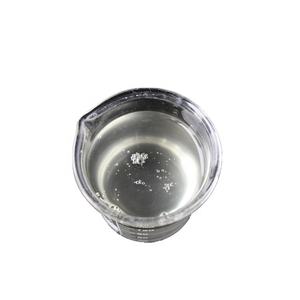
Concrete admixtures—chemical or mineral substances added to concrete mixes beyond cement, water, and aggregates—are no longer limited to basic applications. In niche sectors like architectural cladding and precast exterior systems, admixture types are meticulously engineered to meet stringent aesthetic, structural, and environmental requirements. Among these, fiber-reinforced concrete used in modern concrete siding represents one of the most sophisticated real-world applications of today’s concrete chemicals.
2. Why Admixtures Matter in Fiber-Reinforced Concrete Siding
Fiber-reinforced concrete siding, including popular options like Hardie concrete siding and CertainTeed concrete siding, relies on a precise balance of reinforcement fibers—such as polypropylene fibres for concrete, steel fibers for concrete, or even innovative coconut fiber reinforced concrete—and advanced concrete additives. Without the right admixture used in concrete, achieving the necessary flow, early strength, and long-term durability would be impossible, especially given the thin cross-sections and complex surface textures required to mimic natural wood grain.
Key challenges in manufacturing concrete siding include minimizing shrinkage cracks, ensuring uniform fiber dispersion, accelerating curing without compromising finish quality, and providing integral waterproofing. This is where specialized admixtures step in. For instance, a superplasticizer in concrete dramatically reduces water content while maintaining workability—critical for producing smooth, defect-free surfaces during extrusion or molding. Similarly, an integral waterproofer or crystalline waterproofing admixture provides long-term moisture resistance without requiring external coatings, directly addressing homeowner concerns about maintenance and longevity.
3. Critical Admixture Types for High-Performance Siding
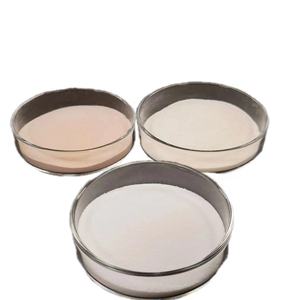
The formulation of premium concrete fiber siding involves a synergistic blend of multiple admixture types, each serving a distinct function:
- Superplasticizer admixture (especially PCE-based): Acts as a high-range water reducer, enabling lower water-cement ratios that increase compressive strength and reduce permeability. Polycarboxylate superplasticizer is now preferred over older naphthalene or melamine variants due to its superior slump retention and compatibility with diverse fibers.
- Air entraining admixture: Introduces microscopic air bubbles that improve freeze-thaw resistance—a must for homes in cold climates. This air entraining agent enhances durability without sacrificing surface integrity.
- Concrete accelerator: Reduces initial setting time, allowing faster demolding in precast facilities. Fast curing concrete additives help manufacturers meet tight production schedules while maintaining quality control.
- Concrete retarder admixture: Used selectively in hot weather or complex molds to prevent premature stiffening. A surface retarder concrete may also be applied to create exposed aggregate or textured finishes.
- Waterproofing admixture for concrete: Includes both integral waterproofer and crystalline waterproofing admixture systems that react with moisture to form insoluble crystals, blocking capillary pores from within.
- Additive for mortar and fiber concrete mix: Ensures even distribution of reinforcement fiber for concrete mix, preventing balling or segregation of polypropylene fibre or macro fibers.
4. Real-World Impact: From Factory to Facade
Modern concrete siding that looks like wood—such as gray stamped concrete panels or charcoal colored concrete boards—depends heavily on the precision of its admixture package. For example, the use of a concrete release agent during molding prevents surface defects, while colored concrete powder or tinted concrete techniques are stabilized by compatible plasticizer for concrete formulations. Moreover, the inclusion of a concrete waterproof admix eliminates the need for frequent repainting or sealing, directly lowering lifetime costs for homeowners.
Manufacturers like James Hardie and CertainTeed have optimized their concrete fiber reinforcement systems using data-driven admixture dosing. The result? Products with enhanced impact resistance, minimal efflorescence, and consistent color retention—even in coastal or high-humidity environments. The concrete siding cost remains competitive because efficient admixtures reduce waste, energy use, and rework in production.
5. Choosing the Best Admixture for Concrete Siding Applications
Selecting the best admixture for concrete in siding applications requires understanding compatibility between fibers, cements, and chemical admixtures. PCE-based superplasticizers offer excellent dispersion for both synthetic and natural fibers, while avoiding the viscosity spikes sometimes seen with older super plasticizers. Additionally, combining a superplasticizer admixture with an air entraining concrete system ensures balanced performance across climate zones.
For sustainability-focused builders, mineral admixture options—such as silica fume or metakaolin—can partially replace cement while improving density and reducing carbon footprint. Meanwhile, innovations like protein based foaming agent are being explored for lightweight variants, though these remain experimental in structural siding.
6. Conclusion
The evolution of concrete fiber siding—from basic cement boards to high-fidelity wood-look architectural panels—has been powered by advances in concrete admixture technology. Today’s admixtures do far more than modify setting time or workability; they enable entirely new product categories that merge aesthetics, resilience, and sustainability. As seen in recent industry moves like the Chryso–Hardie collaboration, the future of building exteriors lies in intelligent chemistry. Whether you’re a specifier, contractor, or homeowner, understanding the role of superplasticizer, waterproofing admixture, and fiber-compatible concrete additives is key to selecting durable, beautiful, and high-performing concrete siding for homes.
Our Website founded on October 17, 2012, is a high-tech enterprise committed to the research and development, production, processing, sales and technical services of ceramic relative materials such as Unlock. Our products includes but not limited to Boron Carbide Ceramic Products, Boron Nitride Ceramic Products, Silicon Carbide Ceramic Products, Silicon Nitride Ceramic Products, Zirconium Dioxide Ceramic Products, etc. If you are interested, please feel free to contact us.