Concrete4U | Concrete Admixtures, Tools, and Production Machines

Choose the Right Admixtures for High-Performance Concrete
1. Introduction
Just 24 hours ago, a major infrastructure project in Texas announced it would use advanced polycarboxylate-based superplasticizers to achieve ultra-high-strength concrete with minimal water content—highlighting how modern admixtures are reshaping construction standards. As sustainability and performance demands rise, understanding concrete admixture types has never been more critical.
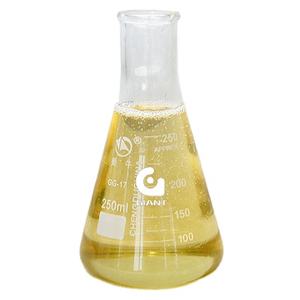
Concrete admixtures—also called ad mixtures or concrete additives—are chemical or mineral ingredients added to concrete mixes to modify their properties. Whether you’re aiming for faster curing, better workability, or enhanced durability, the right admixture can make all the difference. But with so many options—from plasticizer for concrete to crystalline waterproofing admixture—it’s easy to feel overwhelmed.
2. Superplasticizers: The Workability Game-Changer
Superplasticizers (or super plasticizers) are high-range water reducing admixtures that dramatically increase concrete flow without adding extra water. This is crucial because excess water weakens concrete. Two dominant chemistries dominate the market: naphthalene-based and polycarboxylate ether (PCE)-based superplasticizers.
Naphthalene sulfonate superplasticizers have been used for decades. They’re cost-effective and deliver strong initial slump retention, but they can cause rapid slump loss over time and aren’t as environmentally friendly. In contrast, PCE-based superplasticizers offer superior slump retention, lower dosage requirements, and better compatibility with modern cements—making them the go-to for high-performance applications like precast elements or self-consolidating concrete.
- Naphthalene-based: cheaper, moderate performance, higher dosage needed
- Polycarboxylate ether (PCE): premium performance, eco-friendlier, ideal for complex mixes
For contractors asking, ‘What’s the best superplasticizer for concrete?’ the answer often leans toward PCE—especially when precision and long-term stability matter.
3. Air Entraining and Water Reducing Admixtures
Air entraining concrete contains microscopic air bubbles introduced by air entraining admixtures (or air entraining agents). These bubbles improve freeze-thaw resistance—a must in cold climates—and enhance workability. However, too much entrained air can reduce compressive strength, so dosage control is key.
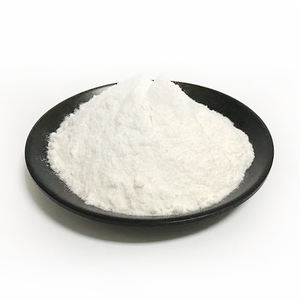
Water reducing admixtures, including mid-range and high-range types, cut water content while maintaining slump. They’re essential for achieving durable, low-permeability concrete. When combined with superplasticizers, they form part of today’s most efficient concrete chemicals packages.
Note that air entraining cement isn’t a real product—air entrainment comes from the admixture, not the cement itself. Always verify your admixture chemical specifications before ordering.
4. Waterproofing and Curing Control Additives
Waterproofing admixture for concrete comes in several forms. Integral waterproofers chemically react within the matrix to block capillaries, while crystalline waterproofing admixtures grow crystals that seal pores over time—even healing micro-cracks. These differ from surface-applied coatings and offer long-term protection without maintenance.
On the timing front, concrete accelerator and concrete retarder admixtures let you fine-tune setting behavior. Accelerating admixtures for concrete shorten curing time—ideal for fast-track projects—while concrete retarder admixture delays setting in hot weather or during long hauls. Surface retarder concrete is a niche variant used to expose aggregates in decorative finishes.
Products like Chryso admixture lines often combine multiple functions, such as water reduction plus waterproofing, streamlining mix design.
5. Fiber Reinforcement: Beyond Traditional Rebar
Fibers for concrete—whether polypropylene fibres, steel fibers, or even coconut fiber—are increasingly popular as secondary reinforcement. Fiber reinforced concrete improves crack resistance, impact strength, and ductility. Macro fibers handle structural loads, while microfibers control plastic shrinkage.
PP fiber concrete (polypropylene) is common in slabs and pavements due to its corrosion resistance and ease of mixing. Steel fiber reinforced concrete offers higher tensile capacity, useful in industrial floors or tunnel linings. Meanwhile, innovations like carbon fiber reinforced concrete push performance boundaries in aerospace and seismic applications.
Despite marketing terms like ‘concrete fiber siding’ or ‘fibercement siding,’ these refer to exterior cladding—not structural concrete. True fiberfor concrete mix applications focus on internal reinforcement, not aesthetics.
6. Specialized Additives: Foaming Agents, Colorants, and Release Agents
Foaming agents for foam concrete (like protein-based or synthetic CLC foaming agents) create lightweight cellular concrete used in insulation blocks or void filling. Quality varies widely—cheap homemade foaming agents often collapse, while engineered products ensure stable aircrete.
Colored concrete relies on pigments and release agents. Powder concrete colorants and spray release agents (like Brickform Liquid Release) allow stamped concrete colors and patterns—from charcoal to terra cotta—without sticking to molds. Always pair color powder with a compatible concrete release agent to avoid blotching.
White cement, often used in decorative white concrete countertops or architectural panels, also benefits from superplasticizer admixtures to maintain fluidity without graying the mix.
7. Conclusion
Choosing the best admixture for concrete isn’t about finding a single ‘winner’—it’s about matching admixture types to your project’s environmental, structural, and aesthetic goals. Whether you need a superplasticizer in concrete for pumpability, an air entraining admixture for durability, or a crystalline waterproofing admixture for basements, today’s concrete additives offer unprecedented control. Always consult technical data sheets and consider compatibility testing—because the right admixture used in concrete doesn’t just improve performance; it future-proofs your build.
Our Website founded on October 17, 2012, is a high-tech enterprise committed to the research and development, production, processing, sales and technical services of ceramic relative materials such as Choose. Our products includes but not limited to Boron Carbide Ceramic Products, Boron Nitride Ceramic Products, Silicon Carbide Ceramic Products, Silicon Nitride Ceramic Products, Zirconium Dioxide Ceramic Products, etc. If you are interested, please feel free to contact us.