Concrete4U | Concrete Admixtures, Tools, and Production Machines

Superplasticizers Are Revolutionizing 3D-Printed Concrete in Modern Construction
1. Introduction
Just 24 hours ago, construction tech startup Mighty Buildings announced a partnership with Habitat for Humanity to deploy 3D-printed homes across California using a next-generation concrete mix powered by high-performance admixtures. At the heart of this innovation? Superplasticizers and other specialized concrete chemicals that make extrusion-based printing not only possible—but practical.
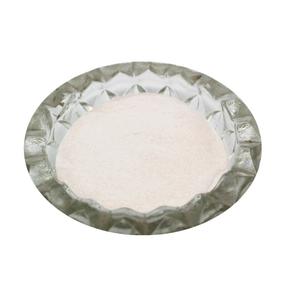
Unlike traditional concrete pours, 3D printing demands a unique balance: the mix must flow smoothly through nozzles yet hold its shape instantly after deposition. This is where modern admixtures shine. From superplasticizer in concrete to fiber reinforcement and fast-curing additives, these concrete admixture types are transforming digital construction from concept to reality.
2. Why 3D Printing Needs Special Admixtures
Standard concrete won’t work in a 3D printer. It’s too stiff to pump and too slow to set. To solve this, engineers rely on a cocktail of chemical and mineral admixtures tailored for extrudability, buildability, and early-strength development.
- Water reducing admixtures (especially high-range types like polycarboxylate ether superplasticizers) drastically cut water content while maintaining fluidity—critical for smooth nozzle flow without segregation.
- Concrete accelerator curing time is shortened using accelerating admixtures for concrete, allowing each layer to support the next within minutes.
- Fiber reinforced concrete—often with polypropylene fibres for concrete or steel fibers for concrete—adds tensile strength and crack resistance without rebar.
3. Superplasticizers: The Game-Changer
Among all admixture used in concrete for 3D printing, superplasticizers are arguably the most vital. These concrete superplasticizer additives—also called plasticizer for concrete or concrete plasticiser—enable ultra-high workability at low water-cement ratios.
Modern formulations like PCE-based superplasticizer (polycarboxylate ether) offer superior slump retention compared to older naphthalene or melamine superplasticizers. This means the concrete stays printable over longer periods, essential for large-scale builds.
The best superplasticizer for concrete in printing applications provides both immediate flow and delayed stiffening—allowing time for layer stacking without slumping. Brands like Chryso admixture now offer custom blends optimized specifically for robotic extrusion systems.
4. Supporting Roles: Fibers, Accelerators, and Waterproofers
While superplasticizers handle flow, other concrete additives ensure structural integrity and durability.
Fiber reinforcement is non-negotiable. Macro fibers and microfibers—including pp fiber concrete and even experimental coconut fiber reinforced concrete—prevent delamination between layers. Fibermesh concrete mixes are now standard in printed wall panels.
Concrete accelerator curing time is fine-tuned with fast curing concrete additives that kick in seconds after extrusion. Meanwhile, surface retarder concrete techniques are avoided—unlike in stamped concrete, where delayed surface set creates texture.
For outdoor applications like concrete siding or home exteriors, waterproofing admixture for concrete becomes essential. Crystalline waterproofing admixture or integral waterproofer types penetrate the matrix, offering long-term moisture resistance—ideal for concrete siding that looks like wood but lasts decades.
5. Real-World Impact: From Prototypes to Production
Projects like Mighty Buildings’ new initiative prove this isn’t just lab science. Their printed homes use a proprietary mix featuring superplasticizer admixture, polypropylene fibre, and a cement waterproofing additive—all dosed precisely for robotic printing.
The result? Walls printed in under 24 hours, with concrete fiber reinforcement eliminating traditional framing. Home Depot concrete siding alternatives are now being replaced by full 3D-printed enclosures that cost less and install faster.
Even aesthetic concerns are addressed: white cement bases allow for tinted concrete finishes, while release agents aren’t needed—since there are no forms to strip. Instead, colored concrete powder can be integrated directly into the mix for uniform hues like charcoal concrete color or terra cotta concrete color.
6. Choosing the Right Admixture Cocktail
Not all admixtures play well together. For 3D printing, compatibility is key. A typical high-performance mix might include:
- Polycarboxylate ether superplasticizer (as the primary water reducer)
- A concrete retarder admixture to fine-tune setting if ambient temps are high
- Air entraining admixture only in freeze-thaw zones—but sparingly, as excess air weakens thin printed layers
- Crystalline waterproofing admixture for below-grade or wet-climate applications
Contractors often ask: what’s the best admixture for concrete in printing? The answer depends on climate, printer type, and structural needs—but PCE superplasticizer combined with polypropylene fibres for concrete is the current industry baseline.
7. Conclusion
Admixtures are no longer just performance boosters—they’re enablers of entirely new construction paradigms. In 3D-printed concrete, superplasticizers, fibers, and smart chemical admixtures for concrete merge to create buildings that are faster to erect, more sustainable, and increasingly affordable. As projects like the newly announced Habitat collaboration show, the future of housing may very well be printed—and powered by precision-engineered concrete chemicals.
Our Website founded on October 17, 2012, is a high-tech enterprise committed to the research and development, production, processing, sales and technical services of ceramic relative materials such as Superplasticizers. Our products includes but not limited to Boron Carbide Ceramic Products, Boron Nitride Ceramic Products, Silicon Carbide Ceramic Products, Silicon Nitride Ceramic Products, Zirconium Dioxide Ceramic Products, etc. If you are interested, please feel free to contact us.