Concrete-mesa | Concrete Admixtures, Tools, and Production Machines

How to Choose and Use the Right Concrete Admixtures for Your Project
1. Introduction
Just 24 hours ago, a major construction firm in Texas reported significant delays due to unexpected cold weather slowing concrete curing on a highway expansion project. Their solution? Switching to an accelerating admixture mid-pour to maintain schedule integrity—a real-world reminder of why understanding concrete admixtures matters. Whether you’re a DIYer laying a patio or a contractor managing large-scale builds, knowing how to choose and apply the right admixture can save time, money, and headaches.
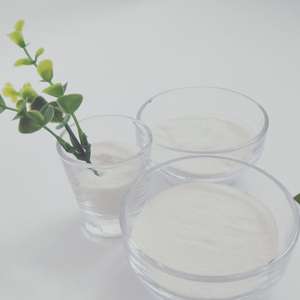
Concrete admixtures are chemical or mineral additives mixed into concrete to modify its properties. From improving workability to enhancing durability, the right admixture used in concrete can transform a standard mix into a high-performance material tailored to your environment and design goals.
2. Understand the Main Types of Concrete Admixtures
Before buying any concrete chemicals, it’s essential to know the core categories. Admixture types fall into two broad groups: chemical and mineral. Chemical admixtures include superplasticizers, accelerators, retarders, and air-entraining agents. Mineral admixtures—like fly ash or silica fume—enhance long-term strength and reduce permeability.
- Water reducing admixtures (including superplasticizer admixture) improve flow without adding water.
- Concrete accelerator speeds up setting, ideal for cold weather.
- Concrete retarder slows hydration, useful in hot climates or for complex pours.
- Air entraining admixture introduces tiny air bubbles to boost freeze-thaw resistance.
- Waterproofing admixture (like crystalline waterproofing admixture or integral waterproofer) prevents moisture ingress.
- Fibers for concrete (polypropylene, steel, or coconut fiber) add tensile strength and crack control.
3. How to Select the Best Admixture for Concrete
Start by identifying your primary challenge. Is your mix too stiff? Are you battling rain or extreme temperatures? Or do you need long-term protection against water?
For high-flow applications like self-consolidating concrete, use a polycarboxylate ether (PCE) superplasticizer—the most advanced type of super plasticizers today. It acts as both a concrete water reducer and a plasticizer for concrete, allowing up to 40% less water while maintaining workability.
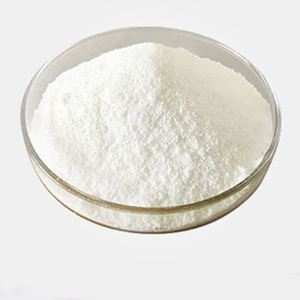
If you’re pouring in winter, an accelerating admixtures for concrete will cut curing time. Look for products labeled ‘fast curing concrete additives’ that reduce concrete accelerator curing time without compromising strength.
In hot weather or for large placements, a concrete retarder admixture or surface retarder concrete helps prevent cold joints by extending workability.
For basements, foundations, or wet areas, choose a concrete waterproofing additive such as a cement waterproofing additive or crystalline waterproofing admixture. These create a permanent barrier within the matrix—not just on the surface.
4. Practical Steps to Mix and Apply Admixtures Correctly
Always follow manufacturer instructions—but here’s a general workflow:
- Step 1: Determine dosage. Most admixture chemical labels specify dosing per bag of cement (e.g., 0.5–2% by weight of cement). Overdosing can cause segregation or delayed setting.
- Step 2: Add water first, then cement and aggregates. Introduce the admixture during mixing—never after the concrete has started hydrating.
- Step 3: Mix thoroughly for at least 3–5 minutes to ensure even distribution. For superplasticizer in concrete, add it in the last minute of mixing to maximize effectiveness.
- Step 4: Test slump and setting time on-site before full pour, especially when using new admixture types.
Pro tip: When using fiber reinforced concrete, pre-blend fibers with dry aggregates to avoid clumping. Macro fibers like steel fibers for concrete or polypropylene fibres for concrete should be compatible with your mixer type.
5. Common Mistakes and How to Avoid Them
Many DIYers and even pros make these errors:
- Using expired or improperly stored admixtures (store in cool, dry places).
- Mixing incompatible additives (e.g., some air entraining agents lose effectiveness with certain superplasticizers).
- Ignoring temperature effects—concrete accelerator won’t help if ambient temps drop below freezing without insulation.
- Assuming all ‘waterproof admix’ products are equal—crystalline types react chemically with cement, while others are just pore blockers.
Always check compatibility charts from suppliers like Chryso admixture or Sika before combining multiple concrete additives.
6. Special Considerations for Decorative and Lightweight Concrete
For stamped or colored concrete, use a water-based release agent that won’t stain. Powder release agent for concrete comes in colors (brown, charcoal, terra cotta) to enhance pattern contrast.
When making foam concrete or CLC blocks, select a protein-based foaming agent for stability or synthetic foaming agent for cost efficiency. The foaming agent used in foam concrete must produce uniform, stable bubbles—check CLC foaming agent price vs. performance.
White cement projects (like countertops or white concrete pavers) often require specialized superplasticizer for white cement to avoid yellowing. Use universal white cement with PCE-based superplasticizer to maintain brightness.
7. Conclusion
Choosing the right admixture isn’t about using the most—it’s about using the right one for your conditions. Whether you need a concrete water reducer to boost strength, an air entraining agent for freeze resistance, or a waterproofing admixture for longevity, understanding these tools puts you in control. Always test small batches first, read technical data sheets, and consult suppliers when in doubt. With the correct admixture used in concrete, your next pour could be your smoothest, strongest, and most durable yet.
Our Website founded on October 17, 2012, is a high-tech enterprise committed to the research and development, production, processing, sales and technical services of ceramic relative materials such as How. Our products includes but not limited to Boron Carbide Ceramic Products, Boron Nitride Ceramic Products, Silicon Carbide Ceramic Products, Silicon Nitride Ceramic Products, Zirconium Dioxide Ceramic Products, etc. If you are interested, please feel free to contact us.