Concrete4U | Concrete Admixtures, Tools, and Production Machines

How Are Advanced Admixtures Revolutionizing 3D-Printed Concrete Construction?
1. Introduction
Just 48 hours ago, news broke that ICON, a leading construction technology company, completed the first phase of ‘Wolf Ranch’—the world’s largest 3D-printed housing development—in Georgetown, Texas. This milestone underscores a seismic shift in how we build homes, and at the heart of this innovation lies a less visible but equally critical component: advanced concrete admixtures.
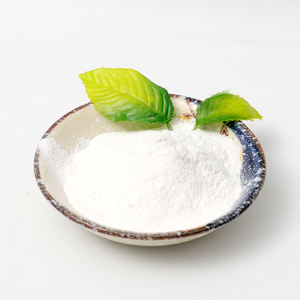
Unlike traditional poured concrete, 3D-printed concrete must flow smoothly through a nozzle, hold its shape immediately after deposition, and gain strength rapidly—all without formwork. Meeting these demands requires precisely engineered concrete chemicals that go far beyond standard mixes. Let’s explore how modern admixtures are making large-scale 3D printing not just possible, but practical.
2. The Unique Demands of 3D-Printed Concrete
3D concrete printing (3DCP) relies on a continuous extrusion process where layers are stacked one atop another. This method eliminates the need for molds but introduces new engineering challenges:
- The mix must be pumpable yet stiff enough to support subsequent layers without slumping.
- Initial setting must be fast to prevent collapse, but not so fast that it clogs the printer.
- Long-term durability and crack resistance are essential, especially since reinforcement is often minimal or non-traditional.
To meet these requirements, engineers turn to a tailored cocktail of admixture types—each playing a specific role in the printability and performance of the final structure.
2.1 Superplasticizers: Enabling Flow Without Water
The backbone of any printable concrete mix is a high-range water reducer—commonly known as a superplasticizer. Superplasticizer in concrete dramatically increases workability while reducing water content, which is crucial because excess water weakens the final product and causes deformation in printed layers.
Modern formulations, particularly polycarboxylate ether (PCE)-based superplasticizers, offer superior control over rheology. These super plasticizers allow the concrete to flow like toothpaste during extrusion but quickly regain stiffness once deposited. This balance is unattainable with older naphthalene or melamine-based versions.
In practice, a well-dosed superplasticizer admixture can reduce water by 30–40% while maintaining excellent extrudability—making it the best admixture for concrete in 3D printing scenarios.
2.2 Accelerating Admixtures for Rapid Layer Bonding
Once extruded, each layer must harden fast enough to support the next. That’s where concrete accelerator additives come in. Accelerating admixtures for concrete shorten the initial setting time without compromising long-term strength.
Fast curing concrete additives—often based on calcium nitrate or proprietary blends—ensure that the concrete achieves ‘green strength’ within minutes. This rapid stiffening prevents sagging and improves interlayer adhesion, which is critical for structural integrity.
Importantly, these concrete accelerator curing time enhancers are dosed precisely; too much can cause flash setting and clog the printer head—a costly failure in automated systems.
2.3 Fiber Reinforcement: Replacing Rebar in Thin-Wall Structures
Traditional rebar doesn’t integrate well with narrow, robotic-extruded walls. Enter fibers for concrete. Polypropylene fibres for concrete, steel fibers for concrete, and even macro fibers are now routinely added to 3D printing mixes to provide tensile strength and control cracking.
Fiber reinforced concrete used in 3D printing behaves like a composite material—distributing stress evenly and resisting shrinkage cracks. PP fiber concrete is especially popular due to its corrosion resistance and ease of dispersion.
Some advanced projects even experiment with coconut fiber reinforced concrete or carbon fiber reinforcement in concrete for sustainability or enhanced performance, though these remain niche due to cost and processing complexity.
2.4 Retarders and Set Control: Precision Timing Matters
While accelerators dominate early-stage curing, admixture retarder chemicals also play a supporting role. A surface retarder concrete or controlled-dose concrete retarder admixture can fine-tune the setting window, especially in hot climates where premature hardening is a risk.
These admixture retarder agents ensure consistent print quality across long sessions by preventing the mix from thickening too quickly inside the delivery system.
2.5 Waterproofing and Durability Additives
Since 3D-printed homes often feature exposed concrete walls, long-term weather resistance is vital. Here, waterproofing admixture for concrete—such as crystalline waterproofing admixture or integral waterproofer—becomes essential.
Unlike topical sealers, these concrete waterproofing additives react with cement to form insoluble crystals that block capillary pores. This admixture waterproofing approach ensures the entire wall section is protected, not just the surface.

Cement waterproofing additive and concrete waterproof admix solutions are increasingly specified in residential 3D printing projects to meet building codes and homeowner expectations for low maintenance.
3. Real-World Impact: From Lab to Neighborhood
The Wolf Ranch project uses a proprietary mix developed with Chryso admixture technology, combining PCE superplasticizers, polypropylene fiber reinforcement, and accelerating agents. The result? Homes printed in under 24 hours with walls that meet or exceed conventional strength and insulation standards.
Moreover, the reduced need for formwork, scaffolding, and manual labor slashes both cost and waste—key selling points for affordable housing initiatives. Concrete siding cost and concrete fiber siding cost are becoming competitive with traditional wood-look alternatives like Hardie concrete siding or CertainTeed products, especially when considering lifecycle durability.
4. Conclusion
Admixtures are no longer just additives—they’re enablers of architectural revolution. In 3D-printed concrete, the right blend of superplasticizer, accelerator, fiber reinforcement, and waterproofing admixture transforms a simple cement paste into a smart, responsive building material. As the technology scales, expect even more innovation in concrete chemicals, from bio-based foaming agents to self-healing mineral admixtures. For now, one thing is clear: the future of construction is being printed, one precisely dosed admixture at a time.
Our Website founded on October 17, 2012, is a high-tech enterprise committed to the research and development, production, processing, sales and technical services of ceramic relative materials such as How. Our products includes but not limited to Boron Carbide Ceramic Products, Boron Nitride Ceramic Products, Silicon Carbide Ceramic Products, Silicon Nitride Ceramic Products, Zirconium Dioxide Ceramic Products, etc. If you are interested, please feel free to contact us.