Concrete-mesa | Concrete Admixtures, Tools, and Production Machines

Master the Mix: Understand Every Type of Concrete Admixture for Stronger, Smarter Builds
1. Introduction
Just 24 hours ago, a major construction firm in Texas announced it’s switching to polycarboxylate ether (PCE)-based superplasticizers across all high-rise projects to reduce water content by up to 40% while maintaining flowability—a move expected to cut curing time and carbon footprint significantly. This shift highlights how modern concrete admixtures are transforming the industry, making structures stronger, greener, and more efficient.
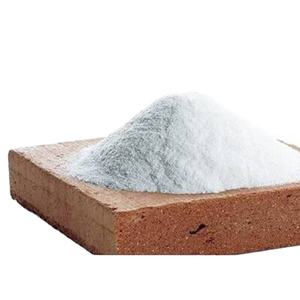
If you’ve ever poured concrete, you know it’s not just cement, sand, and water. The secret sauce? Admixtures. These concrete chemicals fine-tune everything from setting speed to freeze-thaw resistance. Whether you’re a contractor or a weekend warrior tackling a patio, understanding admixtures can save time, money, and headaches.
2. What Are Admixtures?
Admixtures—sometimes spelled ‘ad mixtures’—are ingredients added to concrete before or during mixing to modify its properties. They’re not fillers; they’re performance boosters. Used in precise doses, these concrete additives can make your mix more fluid, set faster, resist water, or even mimic wood grain when stamped.
The American Concrete Institute recognizes two broad categories: chemical and mineral admixtures. Chemical types include superplasticizers, accelerators, and air-entraining agents. Mineral varieties often involve fly ash or silica fume, enhancing long-term strength and durability.
3. Common Types of Concrete Admixture
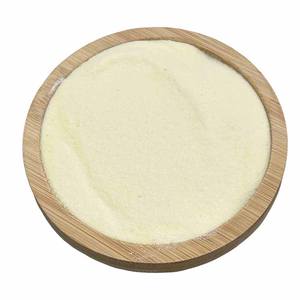
Not all admixtures serve the same purpose. Here’s a breakdown of key categories you’ll encounter on job sites or at retailers like Home Depot:
- Water reducing admixtures (including mid-range and high-range water reducers) lower the water-cement ratio without sacrificing workability—critical for high-strength concrete.
- Superplasticizer admixture (also called super plasticizers or concrete superplasticizer additive) is a high-range water reducer. Polycarboxylate ether (PCE) and naphthalene-based superplasticizers are top choices today.
- Concrete accelerator speeds up curing time—ideal for cold weather pours or fast-track projects. Look for accelerating admixtures for concrete labeled as ‘fast curing concrete additives.’
- Concrete retarder (or admixture retarder) delays setting, useful in hot climates or for complex placements. Surface retarder concrete is used specifically for exposed-aggregate finishes.
- Air entraining admixture introduces microscopic air bubbles, improving freeze-thaw resistance. This ‘air entraining concrete’ technique is standard in northern climates.
- Waterproofing admixture (like crystalline waterproofing admixture or integral waterproofer) blocks moisture penetration. Cement waterproofing additive and concrete waterproof admix options are widely used in basements and pools.
- Fiber reinforcement includes polypropylene fibres for concrete, steel fibers for concrete, and even coconut fiber reinforced concrete. These reduce cracking and boost impact resistance in fiber reinforced concrete mixes.
- Foaming agents create lightweight cellular concrete. CLC foaming agent, protein-based or synthetic variants, are essential for foamcrete blocks and insulation panels.
4. Why Superplasticizers Rule Modern Concrete
Among all concrete chemicals, superplasticizers stand out. A superplasticizer in concrete can reduce water content by 15–40%, yielding higher strength and smoother finishes without extra cement. PCE-based superplasticizers are now preferred over older melamine or naphthalene sulfonate types due to better slump retention and eco-friendliness.
Contractors often ask: ‘What’s the best superplasticizer for concrete?’ The answer depends on your mix design, but polycarboxylate ether superplasticizer offers superior performance for most applications—from precast elements to self-consolidating concrete. Brands like Chryso admixture lead the market with tailored formulations.
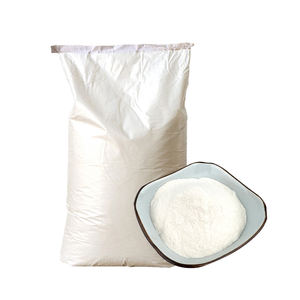
5. Beyond Strength: Aesthetic and Functional Additives
Concrete isn’t just gray slabs anymore. Colored concrete uses tinted powders or stains to achieve hues like charcoal, terra cotta, or white—perfect for stamped concrete colors and patterns. To prevent sticking during stamping, professionals rely on concrete release agent sprays (water-based or powder forms) that also add subtle color accents.
For exteriors, concrete siding has surged in popularity. Options like Hardie concrete siding or CertainTeed concrete siding mimic wood grain while offering fire and pest resistance. Modern concrete siding costs vary, but fiberfor concrete mixes (with polypropylene or steel fibers) ensure durability against warping and cracking.
White cement is another niche favorite—used in countertops, tiles, and decorative facades. Paired with a concrete water reducer, it yields brilliant white concrete mixes that stay bright longer.
6. Choosing the Best Admixture for Your Project
Ask yourself: What problem are you solving? Need faster curing? Use a concrete accelerator. Pouring in summer heat? A concrete retarder admixture keeps the mix workable. Building a basement wall? Go for a waterproofing admixture for concrete with crystalline technology.
For DIYers, many concrete additives are available at hardware stores. Look for labels like ‘concrete plasticiser,’ ‘cement admixture,’ or ‘additive for mortar.’ Always follow dosage instructions—too much superplasticizer can cause segregation or excessive bleeding.
7. Conclusion
From superplasticizer admixtures that revolutionize strength to air entraining agents that battle winter damage, concrete admixtures are indispensable in modern construction. Whether you’re reinforcing a driveway with pp fiber concrete or crafting a colored stamped patio with the right release spray, choosing the right admixture used in concrete makes all the difference. Stay informed, test small batches, and build smarter—one enhanced mix at a time.
Our Website founded on October 17, 2012, is a high-tech enterprise committed to the research and development, production, processing, sales and technical services of ceramic relative materials such as Master. Our products includes but not limited to Boron Carbide Ceramic Products, Boron Nitride Ceramic Products, Silicon Carbide Ceramic Products, Silicon Nitride Ceramic Products, Zirconium Dioxide Ceramic Products, etc. If you are interested, please feel free to contact us.