Concrete4U | Concrete Admixtures, Tools, and Production Machines

Advanced Admixtures Are Revolutionizing Fiber-Reinforced Concrete for Modern Siding Applications
1. Introduction
In a major industry development reported just yesterday, James Hardie Industries announced a new formulation of its fiber cement siding that incorporates advanced polycarboxylate ether (PCE)-based superplasticizers and crystalline waterproofing admixtures to improve durability and reduce curing time by up to 30%. This innovation underscores a growing trend: the strategic use of high-performance concrete admixtures in niche applications like architectural cladding.
Fiber-reinforced concrete siding—often marketed as concrete fiber siding, fibercement siding, or cement house siding—is no longer just a utilitarian building material. Today’s versions mimic wood grain, offer vibrant stamped concrete colors, and withstand extreme weather, thanks largely to sophisticated admixture chemistry.
2. The Role of Admixtures in Fiber-Reinforced Concrete Siding
Concrete admixtures are chemical or mineral additives that modify the properties of fresh or hardened concrete. In fiber-reinforced concrete used for siding, these admixtures address challenges such as low workability due to high fiber content, extended curing times, and moisture vulnerability.
2.1. Superplasticizers: Enabling High-Fiber, Low-Water Mixes
One of the biggest hurdles in producing fiber-reinforced concrete is maintaining flowability when adding macro fibers or polypropylene fibres for concrete. Without proper fluidity, air pockets form, compromising structural integrity and surface finish.
Superplasticizer admixtures—especially PCE-based types—act as high-range water reducers, allowing manufacturers to cut water content by 25–40% while retaining excellent workability. This is critical for achieving smooth, consistent textures in products like concrete siding that looks like wood.
- Polycarboxylate ether superplasticizers disperse cement particles efficiently without retarding set time excessively.
- They enable uniform distribution of reinforcement fiber for concrete, reducing clumping and improving tensile strength.
2.2. Waterproofing Admixtures for Exterior Durability
Exterior siding faces constant exposure to rain, humidity, and freeze-thaw cycles. To combat this, manufacturers integrate integral waterproofers and crystalline waterproofing admixtures directly into the mix.
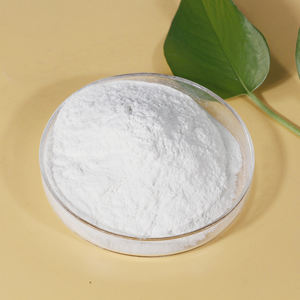
Unlike surface sealers, these concrete waterproofing additives react with moisture and unhydrated cement to form insoluble crystals that block capillary pores. This self-sealing mechanism enhances long-term resistance to water ingress—key for concrete siding for homes in coastal or high-rainfall regions.
Common types include cement waterproofing additive formulations and proprietary blends like those from Chryso admixture systems, which also improve adhesion of pigments for colored concrete finishes.
2.3. Air Entraining and Retarding Technologies
Air entraining admixtures introduce microscopic air bubbles into the concrete matrix, significantly improving freeze-thaw resistance—a vital feature for concrete siding in northern climates.
Simultaneously, concrete retarder admixtures allow controlled setting during large-scale extrusion or molding processes. Surface retarder concrete techniques are even used to create exposed aggregate or textured finishes without compromising internal cure kinetics.
For fast-track projects, accelerating admixtures for concrete can be paired with superplasticizers to achieve early strength without sacrificing finish quality—ideal for precast concrete siding operations.
3. Synergy with Fibers: From Polypropylene to Carbon
Modern concrete fiber reinforcement goes beyond traditional cellulose or coconut fiber concrete. Today’s mixes often combine multiple fiber types:
- Polypropylene fibres for concrete control plastic shrinkage cracking.
- Steel fibers for concrete boost impact resistance in high-wind zones.
- Carbon fiber reinforcement in concrete enables thinner, lighter panels with superior flexural strength.
However, high fiber loading increases viscosity. That’s where plasticizer for concrete—also called concrete plasticiser or plasticizer admixture—becomes indispensable. These water reducing admixtures ensure homogeneous fiber dispersion and prevent balling during mixing.
4. Aesthetic Enhancement Through Admixture Chemistry
The visual appeal of modern concrete siding relies on precise color consistency and pattern definition. Colored concrete powder and tinted concrete formulations require stable rheology to avoid pigment segregation.
Superplasticizer in concrete ensures even distribution of colorants, while concrete release agents—such as water-based release sprays or powder release agents—allow clean demolding of intricate stamped concrete patterns without surface defects.
Brands like CertainTeed and Hardie leverage these technologies to offer charcoal concrete color, terra cotta concrete color, and realistic wood-look finishes that maintain integrity over decades.
5. Sustainability and Cost Efficiency
Using the best admixture for concrete isn’t just about performance—it’s economic. Optimized admixture types reduce cement content, lower energy use during curing, and extend product lifespan, directly impacting concrete siding cost over time.
For example, mid-range water reducer admixtures cut water demand, decreasing porosity and the need for post-installation sealants. Similarly, mineral admixtures like fly ash or silica fume complement chemical admixtures to enhance sustainability without sacrificing strength.
6. Conclusion
The evolution of concrete fiber siding—from basic cement boards to high-performance, architecturally expressive cladding—hinges on intelligent admixture selection. Whether it’s a superplasticizer admixture enabling ultra-thin carbon fiber concrete panels or a crystalline waterproofing admixture ensuring decades of weather resistance, these concrete chemicals are the unsung heroes of modern construction.
As demand grows for durable, beautiful, and eco-friendly exteriors, the synergy between fiber reinforcement and advanced admixture used in concrete will continue to drive innovation across the building materials industry.
Our Website founded on October 17, 2012, is a high-tech enterprise committed to the research and development, production, processing, sales and technical services of ceramic relative materials such as Advanced. Our products includes but not limited to Boron Carbide Ceramic Products, Boron Nitride Ceramic Products, Silicon Carbide Ceramic Products, Silicon Nitride Ceramic Products, Zirconium Dioxide Ceramic Products, etc. If you are interested, please feel free to contact us.