Concrete-mesa | Concrete Admixtures, Tools, and Production Machines

How to Choose and Use the Best Concrete Admixtures for Your Project
1. Introduction
Just 24 hours ago, a major construction materials supplier announced a nationwide shortage of polycarboxylate ether (PCE)-based superplasticizers due to surging demand in green infrastructure projects. This highlights how critical it is for contractors, DIYers, and engineers to understand which concrete admixtures work best—and how to use them correctly—especially when supply chains are tight.
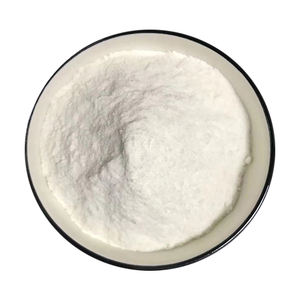
Whether you’re pouring a backyard patio, building a high-rise foundation, or repairing aging infrastructure, the right admixture can dramatically improve strength, durability, and workability. But with dozens of options like superplasticizer, air entraining admixture, concrete retarder, and fiber reinforcement, choosing the best admixture for concrete can feel overwhelming. This step-by-step guide cuts through the confusion.
2. Understand the Main Types of Concrete Admixtures
Admixtures are chemical or mineral additives mixed into concrete to modify its properties. The most common admixture types fall into five categories:
- Water-reducing admixtures (including superplasticizers)
- Accelerating admixtures (like concrete accelerator for fast curing)
- Retarding admixtures (such as concrete retarder or surface retarder concrete)
- Air-entraining admixtures (e.g., air entraining agent for freeze-thaw resistance)
- Specialty additives (including waterproofing admixture, fibers, and foaming agents)
Each serves a unique purpose. For example, a superplasticizer in concrete boosts flow without adding water, while an integral waterproofer or crystalline waterproofing admixture protects against moisture penetration.
3. Step-by-Step: Selecting the Right Admixture for Your Job
Start by identifying your primary challenge. Is the mix too stiff? Will it cure too slowly in cold weather? Does it need to resist water?
If workability is low, choose a plasticizer for concrete or superplasticizer admixture. Polycarboxylate-based superplasticizers (PCE) are now preferred over older naphthalene or melamine types due to higher efficiency and lower dosage requirements.
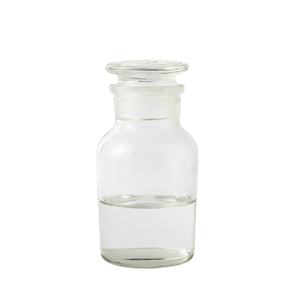
For cold-weather pours, use accelerating admixtures for concrete to shorten curing time. A concrete accelerator curing time reduction of 30–50% is typical with modern formulations like Chryso admixture products.
In hot climates or for long hauls, a concrete retarder admixture delays setting. Surface retarder concrete is ideal for exposed-aggregate finishes.
To improve durability in freeze-thaw zones, add an air entraining concrete admixture. This creates microscopic air bubbles that relieve internal pressure during ice expansion.
For waterproofing, consider a concrete waterproofing additive like a cement waterproofing additive or crystalline waterproofing admixture—both offer long-term protection without surface membranes.
4. How to Properly Mix and Apply Admixtures
Always follow manufacturer instructions. Most chemical admixture for concrete products are dosed by weight of cement (typically 0.1%–2%). Overdosing can cause segregation, excessive bleeding, or delayed setting.
Add admixtures to the mix water before introducing cement and aggregates. This ensures even distribution. Never add dry admixtures directly to the drum unless specified.
For fiber-reinforced concrete, use macro fibers like polypropylene fibres for concrete or steel fibers for concrete depending on structural needs. Fibers should be added during batching and mixed for at least 5 minutes to prevent clumping.
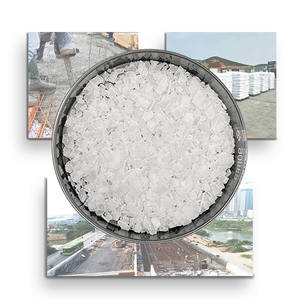
When using a concrete foaming agent for lightweight CLC blocks, ensure the foaming agent used in foam concrete is compatible with your cement type—protein-based foaming agents offer stability, while synthetic types yield finer bubbles.
5. Common Mistakes to Avoid
One frequent error is combining incompatible admixtures—like mixing certain superplasticizers with calcium chloride accelerators—which can cause flash setting or reduced strength.
Another pitfall: assuming all ‘water reducers’ are equal. Mid-range water reducers improve workability moderately, while high-range water reducers (i.e., superplasticizers) can cut water content by up to 40%.
Also, don’t confuse concrete additives fiber with surface-applied treatments. Fibers must be integral to the mix to provide crack control and impact resistance in fiber reinforced concrete.
Finally, remember that admixtures aren’t substitutes for good mix design. They enhance—but don’t fix—poor proportions or low-quality materials.
6. Conclusion
Choosing the right admixture used in concrete isn’t just about grabbing the cheapest option off the shelf at Home Depot. It’s about matching the chemistry to your environment, schedule, and performance goals. Whether you need a superplasticizer admixture for high-strength columns, an air entraining cement for a northern driveway, or a waterproof admix for a basement wall, understanding these practical steps ensures better results, fewer callbacks, and longer-lasting structures.
Our Website founded on October 17, 2012, is a high-tech enterprise committed to the research and development, production, processing, sales and technical services of ceramic relative materials such as How. Our products includes but not limited to Boron Carbide Ceramic Products, Boron Nitride Ceramic Products, Silicon Carbide Ceramic Products, Silicon Nitride Ceramic Products, Zirconium Dioxide Ceramic Products, etc. If you are interested, please feel free to contact us.