Concrete4U | Concrete Admixtures, Tools, and Production Machines

What Are Admixtures, and Why Is Everyone Talking About Superplasticizers in Concrete Right Now?
1. Introduction
Just 24 hours ago, a major breakthrough in eco-friendly concrete hit the news: researchers at MIT unveiled a new polycarboxylate ether (PCE)-based superplasticizer that cuts cement use by 30% while boosting strength. Suddenly, #Superplasticizer was trending harder than avocado toast—and for good reason. If you’ve ever wondered what makes today’s concrete stronger, faster-curing, or even waterproof, the secret lies in those mysterious little bottles labeled ‘admixtures.’
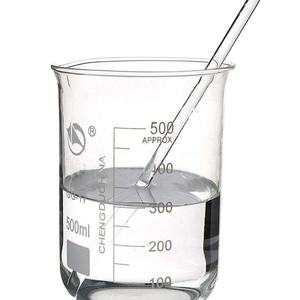
So, what exactly are admixtures? Think of them as the spice rack of the concrete world. You’ve got your basic mix—cement, water, sand, and aggregate—but without the right seasoning (aka admixtures), your concrete might be bland, crumbly, or take forever to set. Let’s dive into this flavorful topic with a grin and a trowel.
2. What Are Admixtures?
Admixtures are chemical or mineral ingredients added to concrete before or during mixing to modify its properties. They’re not fillers—they’re performance enhancers. Whether you need fast curing concrete additives for a midnight highway repair or an air entraining agent to survive a Minnesota winter, there’s an admixture for that.
The term ‘admixtures’ (sometimes misspelled as ‘ad mixtures’) covers everything from plasticizer for concrete to crystalline waterproofing admixture. And yes, they’re all legit concrete chemicals—not witchcraft, though some results feel like magic.
3. Major Types of Concrete Admixtures
Not all heroes wear capes—some come in 5-gallon pails. Here’s a quick tour of the most common concrete admixture types:
- Water reducing admixtures (like concrete water reducer or high range water reducer): These cut water content without sacrificing workability. Less water = stronger concrete. Win-win.
- Superplasticizer admixture (also called super plasticizers or PCE superplasticizer): The rockstar of admixtures. A tiny dose of polycarboxylate ether superplasticizer can turn stiff sludge into silky-smooth flow—perfect for complex molds or self-consolidating concrete.
- Concrete accelerator: Speeds up curing time. Ideal when you’re racing against rain or deadlines. Bonus: it helps with cold-weather pours.
- Concrete retarder (or admixture retarder): Does the opposite—slows things down. Great for hot climates or massive pours where you need extra finishing time.
- Air entraining admixture: Adds microscopic air bubbles to improve freeze-thaw resistance. Yes, your driveway survives winter thanks to tiny trapped air pockets—call it concrete’s built-in parka.
- Waterproofing admixture (like integral waterproofer or cement waterproofing additive): Makes concrete inherently water-resistant. No more soggy basements!
- Mineral admixture: Includes fly ash, slag, or silica fume. These not only boost durability but also reduce carbon footprint—green and mean.
4. Fiber Reinforcement: Not Just for Gym Rats
Fibers for concrete aren’t just trendy—they’re transformative. From polypropylene fibres for concrete to steel fibers for concrete, these reinforcements reduce cracking and boost impact resistance.
Ever heard of coconut fiber reinforced concrete? Yep, it’s a thing—sustainable, biodegradable, and surprisingly tough. Meanwhile, carbon fiber reinforcement in concrete is pushing skyscrapers higher and bridges longer.
Products like Fibermesh concrete or fiber reinforced polymer concrete are now standard in everything from sidewalks to stadiums. And if you’re shopping for siding, options like Hardie concrete siding or CertainTeed concrete siding often use fiberfor concrete mix to mimic wood grain without the rot.
5. Foaming Agents & Colored Concrete: Where Fun Meets Function
Foam agent for lightweight concrete? Absolutely. CLC foaming agent creates cellular concrete that’s light as a feather but strong enough for walls and blocks. Protein-based or synthetic—there’s a foaming agent used in foam concrete for every budget.
Meanwhile, colored concrete turns sidewalks into art galleries. Terra cotta, charcoal, white stamped concrete—you name it. Pair it with a good concrete release agent (powder or spray), and your stamped concrete patterns and colors pop like confetti.
Pro tip: Always use a water-based release agent unless you enjoy sticky disasters. Nobody wants their mold fused to the patio like a bad breakup.
6. Choosing the Best Admixture for Concrete
So, what’s the best admixture for concrete? It depends on your mission. Need speed? Go for accelerating admixtures for concrete. Building near the ocean? Crystalline waterproofing admixture is your BFF. Pouring in July heat? A surface retarder concrete keeps things workable.
Brands like Chryso admixture offer tailored solutions, but always check the bio data sheet (yes, admixtures have resumes too). And remember: more isn’t better. Overdosing a superplasticizer can cause segregation—your concrete shouldn’t look like a failed smoothie.
7. Conclusion
From superplasticizer in concrete to coconut fibre concrete, admixtures are the unsung heroes of modern construction. They make concrete smarter, greener, and tougher—without breaking a sweat (or the bank). So next time you walk on a flawless sidewalk or admire a sleek concrete countertop, tip your hard hat to the humble admixture. After all, great concrete isn’t born—it’s blended.
Our Website founded on October 17, 2012, is a high-tech enterprise committed to the research and development, production, processing, sales and technical services of ceramic relative materials such as What. Our products includes but not limited to Boron Carbide Ceramic Products, Boron Nitride Ceramic Products, Silicon Carbide Ceramic Products, Silicon Nitride Ceramic Products, Zirconium Dioxide Ceramic Products, etc. If you are interested, please feel free to contact us.