Concrete4U | Concrete Admixtures, Tools, and Production Machines

10 Essential Types of Admixtures Every Concrete Pro Should Know in 2024
1. Introduction
Just 48 hours ago, major construction suppliers like Chryso and BASF announced expanded availability of next-gen polycarboxylate ether (PCE) superplasticizers across North America—responding to surging demand for high-performance, sustainable concrete solutions. This shift highlights how critical admixtures have become in modern building practices.
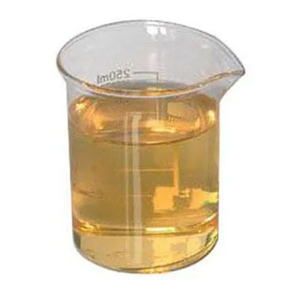
Whether you’re pouring a driveway, constructing a high-rise, or installing fiber cement siding, admixtures are the unsung heroes that enhance strength, workability, durability, and aesthetics of concrete. In this guide, we’ll walk you through the 10 essential types of admixtures used in concrete today—and why they matter.
2. What Are Admixtures?
Admixtures—sometimes called concrete additives or concrete chemicals—are materials added to concrete before or during mixing to modify its properties. They’re not part of the core ingredients (cement, water, aggregates), but they dramatically improve performance without compromising structural integrity.
From speeding up curing time to making concrete waterproof or even giving it a wood-like finish for siding, the right admixture can solve almost any concrete challenge.
3. Water-Reducing Admixtures
Water reducing admixtures, also known as concrete water reducers, cut the amount of water needed in a mix while maintaining workability. Less water means higher strength and lower permeability.
- High-range water reducers (HRWRs) include superplasticizers like polycarboxylate ether (PCE) and naphthalene sulfonate types.
- Mid-range water reducers offer moderate slump improvement with less dosage.
Superplasticizer in concrete is especially popular because it allows for self-consolidating mixes without segregation—ideal for complex forms or densely reinforced structures.
4. Superplasticizers: The Game-Changer
Superplasticizers (or super plasticizers) are among the most widely used chemical admixture for concrete today. These powerful plasticizer for concrete products drastically increase fluidity without adding water.
Polycarboxylate-based superplasticizers dominate the market due to their efficiency, compatibility with modern cements, and eco-friendlier profile compared to older melamine or naphthalene types. You’ll often see them labeled as PCE superplasticizer or polycarboxylate ether superplasticizer.
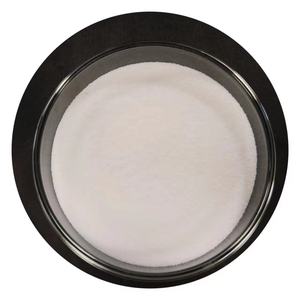
The best superplasticizer for concrete depends on your project—but PCE variants generally offer superior slump retention and lower dosage requirements.
5. Set-Controlling Admixtures
Sometimes you need concrete to set faster; other times, slower. That’s where set-controlling admixtures come in.
- Concrete accelerator admixtures reduce curing time—great for cold weather or fast-track projects. Accelerating admixtures for concrete help achieve early strength, crucial for formwork removal.
- Concrete retarder admixtures delay setting, useful in hot climates or for long hauls. Surface retarder concrete is even used to expose aggregate in decorative finishes.
Both types fall under admixture retarder or admixture accelerator categories and are vital for timing-sensitive pours.
6. Air-Entraining Admixtures
Air entraining concrete contains microscopic air bubbles that improve freeze-thaw resistance—a must in colder regions. These bubbles act as pressure relief valves when water expands during freezing.
An air entraining admixture (or air entraining agent) is added in tiny amounts but makes a huge difference in durability. Don’t confuse it with foaming agents used in lightweight foam concrete—those create larger, structural voids.
Air entraining cement isn’t a thing; instead, the admixture is mixed into standard cement to achieve the desired air content.
7. Waterproofing Admixtures
For basements, tunnels, or wet areas, waterproofing is non-negotiable. That’s where integral waterproofer and concrete waterproofing additive options shine.
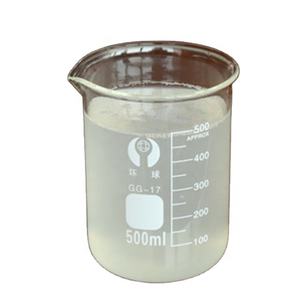
- Crystalline waterproofing admixture reacts with moisture to form insoluble crystals that block water pathways permanently.
- Cement waterproofing additive and waterproof admix products provide hydrophobic barriers within the matrix.
These admixture waterproofing solutions outperform surface coatings because they work from the inside out—no peeling or reapplication needed.
8. Mineral Admixtures
Mineral admixture includes supplementary cementitious materials like fly ash, slag, or silica fume. They replace part of the Portland cement, reducing cost and carbon footprint while boosting long-term strength and durability.
Though not ‘chemical’ in the traditional sense, they’re essential in green building and high-performance concrete mixes.
9. Fiber Reinforcement
Fibers for concrete—whether polypropylene, steel, or even coconut fiber—add tensile strength and crack resistance. Fiber reinforced concrete is now standard in slabs, pavements, and even architectural panels like fibercement siding.
- Polypropylene fibres for concrete prevent plastic shrinkage cracks.
- Steel fibers for concrete enhance impact resistance—used in industrial floors and blast-resistant structures.
- Macro fibers and microfibers serve different purposes: macro for structural reinforcement, micro for early-age crack control.
Products like Fibermesh concrete or carbon fiber reinforced concrete push performance even further, though at higher cost.
10. Specialty Additives: Color, Release, and Foam
Beyond performance, admixtures also enable aesthetics and ease of use.
- Colored concrete uses pigments (powder or liquid) to create stamped concrete colors like charcoal, terra cotta, or white—popular for driveways and patios.
- Concrete release agent (spray, oil, or powder) prevents sticking to molds during stamping or casting.
- Foaming agent for foam concrete (like CLC foaming agent or protein-based types) creates lightweight cellular concrete for blocks or insulation.
Even home siding benefits: hardie concrete siding, certainteed concrete siding, and modern concrete siding that looks like wood all rely on specialized additive for mortar and fiber blends.
11. Choosing the Best Admixture for Concrete
There’s no one-size-fits-all answer. The best admixture for concrete depends on climate, application, budget, and performance goals. For example:
- Need flow without water? Go for a superplasticizer admixture.
- Building in Minnesota? Prioritize air entraining admixture.
- Pouring a basement wall? Use a crystalline waterproofing admixture for concrete.
Always consult technical data sheets and consider compatibility—especially when blending multiple concrete chemicals.
12. Conclusion
Admixtures have transformed concrete from a basic building block into a high-tech, customizable material. Whether you’re using a concrete accelerator to beat a deadline, a plasticizer admixture for smoother finishes, or fibers for crack control, understanding admixture types empowers better builds. As innovations like PCE superplasticizers and integral waterproofers become more accessible—even at retailers like Home Depot—the future of concrete is smarter, stronger, and more versatile than ever.
Our Website founded on October 17, 2012, is a high-tech enterprise committed to the research and development, production, processing, sales and technical services of ceramic relative materials such as 10. Our products includes but not limited to Boron Carbide Ceramic Products, Boron Nitride Ceramic Products, Silicon Carbide Ceramic Products, Silicon Nitride Ceramic Products, Zirconium Dioxide Ceramic Products, etc. If you are interested, please feel free to contact us.