Concrete4U | Concrete Admixtures, Tools, and Production Machines

How Do You Choose and Use the Right Admixtures for Your Concrete Project?
1. Introduction
In the past 48 hours, a major infrastructure project in Texas reported significant delays due to unexpected concrete cracking caused by improper admixture selection during high-temperature pours. This incident underscores a growing industry concern: despite the widespread availability of advanced concrete chemicals, many contractors still struggle to match the right admixture types to specific environmental and structural demands. Whether you’re pouring a residential slab, constructing a bridge, or installing decorative stamped concrete, understanding how to correctly use admixtures can mean the difference between long-term durability and costly repairs.
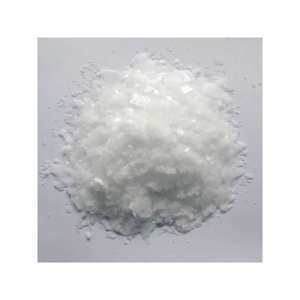
Concrete admixtures—also called concrete additives—are materials added to concrete before or during mixing to modify its properties. From improving workability with a plasticizer for concrete to accelerating strength gain with a concrete accelerator, these chemical admixtures enhance performance without compromising integrity. This guide walks you through identifying your needs, selecting the best admixture for concrete, and applying it correctly to avoid common pitfalls.
2. Understand the Main Types of Concrete Admixtures
Admixtures fall into two broad categories: chemical and mineral. Chemical admixtures include superplasticizers, retarders, accelerators, air-entraining agents, and waterproofing compounds. Mineral admixtures—like fly ash or silica fume—improve long-term strength and reduce permeability. For most practical applications, chemical admixtures are used to address immediate mixing, placing, or curing challenges.
- Water reducing admixtures (including mid-range and high-range types like superplasticizer) improve flow without adding water.
- Concrete retarder and surface retarder concrete delay setting time in hot weather.
- Accelerating admixtures for concrete shorten curing time, especially useful in cold climates.
- Air entraining admixture introduces microscopic air bubbles to boost freeze-thaw resistance.
- Waterproofing admixture (such as integral waterproofer or crystalline waterproofing admixture) prevents moisture ingress.
- Fiber reinforcement (polypropylene fibres for concrete, steel fibers for concrete, or coconut fiber reinforced concrete) controls cracking and enhances toughness.
3. Step-by-Step Guide to Selecting the Right Admixture
Start by defining your project’s primary challenge. Is the mix too stiff? Is early strength critical? Are you working in sub-zero temperatures? Match your need to an admixture function. For example, if you require high-flow concrete for densely reinforced columns, a superplasticizer admixture—specifically a polycarboxylate ether (PCE)-based superplasticizer—is ideal due to its high water reduction capacity and slump retention.
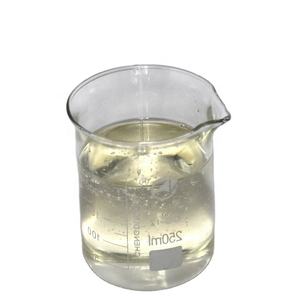
Next, verify compatibility. Not all admixtures work well together. For instance, combining certain air entraining agents with naphthalene-based superplasticizers can destabilize air content. Always consult technical data sheets or request a trial batch from suppliers like Chryso or other reputable manufacturers.
Check dosage rates carefully. Overdosing a concrete water reducer can cause segregation; underdosing a concrete accelerator may not achieve the desired concrete accelerator curing time reduction. Most admixture chemical labels specify dosage per 100 kg of cement—typically 0.5% to 2% by weight.
4. Solving Common Problems with Targeted Admixtures
Problem: Concrete is cracking during curing. Solution: Add reinforcement fiber for concrete—such as macro fibers or pp fiber concrete—to control plastic shrinkage. Polypropylene fibre is especially effective in slabs and pavements.
Problem: Poor finish on stamped concrete. Solution: Use a concrete release agent (powder or spray) to prevent sticking, and ensure your mix includes a balanced plasticizer admixture for optimal workability without bleeding.
Problem: Water leakage in basements or retaining walls. Solution: Incorporate a concrete waterproofing additive like a crystalline waterproofing admixture or cement waterproofing additive that reacts with moisture to form insoluble crystals within the matrix.
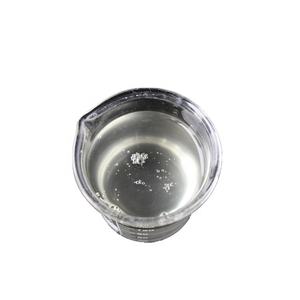
Problem: Slow setting in winter pours. Solution: Use fast curing concrete additives or accelerating admixtures for concrete to maintain schedule integrity without compromising strength development.
5. Practical Tips for Mixing and Application
Always add admixtures to the mix water before introducing cement to ensure uniform dispersion. Never add superplasticizer directly to dry cement—it can cause flash setting or clumping. For fiber-reinforced concrete, pre-blend fibers with aggregates to avoid balling.
When using air entraining concrete, monitor air content with a pressure meter; target 4–7% for exterior exposure. Too much air reduces strength; too little compromises durability.
For colored concrete projects, ensure your chosen admixture doesn’t interfere with pigments. Many modern super plasticizers are compatible with tinted concrete, but always test a small batch first.
Store all concrete chemicals in cool, dry conditions. Exposure to heat or moisture can degrade performance—especially for protein-based foaming agents or synthetic foaming agents used in foam concrete.
6. Conclusion
Selecting and using the right admixture used in concrete requires matching product functionality to real-world conditions. Whether you’re optimizing flow with a superplasticizer in concrete, enhancing durability with an air entraining agent, or preventing leaks with a waterproof admix, precision in selection and dosing is key. By following this guide, contractors and DIYers alike can avoid common errors, reduce waste, and build structures that last longer with less maintenance. Always prioritize quality-certified products and consult manufacturer guidelines—because when it comes to concrete, the right additive makes all the difference.
Our Website founded on October 17, 2012, is a high-tech enterprise committed to the research and development, production, processing, sales and technical services of ceramic relative materials such as How. Our products includes but not limited to Boron Carbide Ceramic Products, Boron Nitride Ceramic Products, Silicon Carbide Ceramic Products, Silicon Nitride Ceramic Products, Zirconium Dioxide Ceramic Products, etc. If you are interested, please feel free to contact us.