Concrete4U | Concrete Admixtures, Tools, and Production Machines

7 Must-Know Types of Concrete Admixtures and How They Transform Modern Construction
1. Introduction
Just 24 hours ago, a major breakthrough in sustainable construction was announced: researchers at ETH Zurich unveiled a new polycarboxylate ether (PCE)-based superplasticizer that reduces cement content by up to 30% without compromising strength—potentially cutting global CO₂ emissions from concrete production by millions of tons annually. This innovation highlights how critical concrete admixtures have become in shaping the future of eco-friendly infrastructure. Whether you’re pouring a driveway or building a high-rise, understanding the right admixture used in concrete can mean the difference between structural failure and decades of durability.
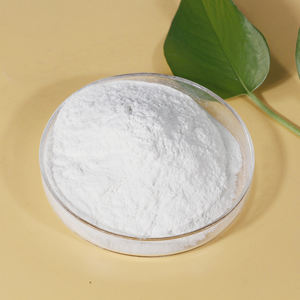
Concrete admixtures—also called concrete additives or ad mixtures—are chemical, mineral, or fibrous materials added to concrete mixes to enhance workability, strength, curing time, or resistance to environmental stressors. From accelerating admixtures for concrete in cold climates to crystalline waterproofing admixture for basements, these compounds are indispensable in modern construction. Let’s break down seven essential admixture types and compare their pros, cons, and ideal use cases.
2. Superplasticizers: The Game-Changer in Workability
Superplasticizers—often labeled as high-range water reducers—are among the most transformative concrete chemicals available today. These include naphthalene-based superplasticizer, melamine sulfonate superplasticizer, and the increasingly dominant polycarboxylate ether (PCE) superplasticizer. While traditional water reducing admixtures might cut water content by 5–10%, superplasticizer in concrete can reduce it by 20–40%, yielding ultra-high-strength, self-consolidating concrete without segregation.
Naphthalene-based versions are cost-effective but can cause faster slump loss and aren’t compatible with all cements. In contrast, PCE-based superplasticizers offer superior slump retention, lower dosage requirements, and better compatibility with supplementary cementitious materials like fly ash. For projects demanding precision—like precast elements or high-performance bridges—polycarboxylate superplasticizer is widely considered the best superplasticizer for concrete. Brands like Chryso admixture now lead the market with tailored PCE formulations that optimize flow and early strength.
3. Air-Entraining Admixtures: Frost Resistance Built In
In regions with freeze-thaw cycles, air entraining concrete isn’t optional—it’s essential. Air entraining admixture introduces microscopic air bubbles into the mix, acting as pressure relief valves when water freezes and expands. Without this, concrete can crack, spall, or delaminate within a few winters.
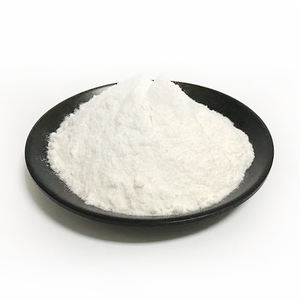
These admixtures—often derived from vinsol resin or synthetic surfactants—are dosed precisely to achieve 4–7% air content. Too little offers no protection; too much weakens compressive strength. When combined with a concrete water reducer, air-entraining agents maintain workability while boosting durability. Note: air entraining cement isn’t a thing—the agent must be added separately during batching. For sidewalks, driveways, or bridge decks in cold climates, an air entraining agent is non-negotiable.
4. Waterproofing Admixtures: Beyond Surface Coatings
Forget topical sealers that wear off—integral waterproofers work from within. Crystalline waterproofing admixture reacts with moisture and unhydrated cement particles to form insoluble crystals that block capillary pores permanently. This makes it ideal for foundations, tunnels, and water tanks where long-term integrity matters.
Other options include hydrophobic admixtures (like stearates) and cement waterproofing additive blends that repel water ingress. Unlike surface-applied membranes, waterproof admix admixtures don’t require perfect application conditions and won’t peel or degrade. For below-grade structures, a concrete waterproofing additive provides reliable, maintenance-free protection—making it one of the best admixture for concrete in wet environments.
5. Accelerators and Retarders: Controlling the Clock
Time is concrete’s biggest variable. Accelerating admixtures for concrete—often calcium nitrate or chloride-free formulations—shorten setting time and boost early strength, crucial for fast-track projects or winter pours. They directly impact concrete accelerator curing time, enabling formwork removal in hours instead of days.
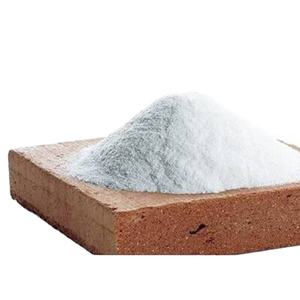
Conversely, concrete retarder admixtures (like lignosulfonates or sugar-based compounds) delay hydration, useful in hot weather or for long hauls. Surface retarder concrete products even allow decorative stamping by keeping the surface soft while the core sets. Choosing between an admixture retarder and accelerator depends entirely on ambient conditions and scheduling—not preference.
6. Fiber Reinforcement: From Micro to Macro
Gone are the days when steel rebar was the only reinforcement. Today, fibers for concrete—including polypropylene fibres for concrete, steel fibers for concrete, and even coconut fiber reinforced concrete—add tensile strength, reduce cracking, and improve impact resistance. PP fiber concrete is popular in slabs and shotcrete for its corrosion resistance and ease of mixing.
Macro fibers (like steel or synthetic strands over 19mm) handle structural loads, while microfibers control plastic shrinkage cracks. Fibermesh concrete systems often eliminate secondary steel mesh, saving labor and cost. Though not a replacement for primary rebar in beams, fiber reinforced concrete significantly enhances durability in pavements, overlays, and industrial floors.
7. Specialty Additives: Color, Release, and Foam
Beyond performance, admixtures enable aesthetics and efficiency. Colored concrete powders and release agents (like powder release agent for concrete or water-based release sprays) make stamped concrete colors pop without staining forms. Meanwhile, concrete foaming agents—protein-based or synthetic—create lightweight cellular concrete for insulation blocks or void filling. CLC foaming agent price varies, but quality foam agents yield stable, uniform air cells critical for strength.
Even white cement—a specialty binder, not an admixture—relies on superplasticizer admixture to maintain flow without gray discoloration in countertops or architectural panels.
8. Conclusion
The right concrete admixture types can elevate ordinary concrete into a high-performance, durable, and visually striking material. Whether you need a superplasticizer admixture for fluidity, an air entraining concrete formula for freeze resistance, or a crystalline waterproofing admixture for basements, today’s concrete additives offer precision-engineered solutions. As innovations like low-carbon PCE superplasticizers emerge, the future of construction lies not just in how we pour concrete—but in what we mix into it.
Our Website founded on October 17, 2012, is a high-tech enterprise committed to the research and development, production, processing, sales and technical services of ceramic relative materials such as 7. Our products includes but not limited to Boron Carbide Ceramic Products, Boron Nitride Ceramic Products, Silicon Carbide Ceramic Products, Silicon Nitride Ceramic Products, Zirconium Dioxide Ceramic Products, etc. If you are interested, please feel free to contact us.