Concrete4U | Concrete Admixtures, Tools, and Production Machines

Admixtures Are Revolutionizing Modern Concrete Construction
1. Introduction
In a significant development reported just hours ago, global construction material supplier CHRYSO announced a breakthrough in eco-friendly superplasticizer technology that reduces carbon emissions by up to 30% while improving concrete flowability. This innovation underscores the growing importance of admixtures in achieving sustainable, high-performance concrete solutions worldwide.
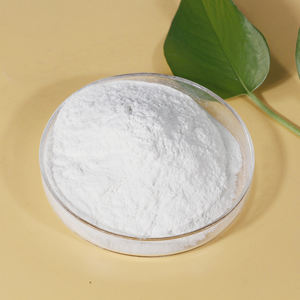
Concrete is the most widely used construction material globally, but its basic composition—cement, water, aggregates—often requires enhancement to meet modern engineering demands. This is where admixtures come into play. Admixtures are materials added to concrete before or during mixing to modify its properties, improve performance, or reduce costs. The strategic use of concrete admixtures has become essential in everything from skyscrapers to residential driveways.
2. What Are Admixtures?
Admixtures, sometimes referred to as ad mixtures or concrete additives, are categorized into chemical and mineral types. Chemical admixtures include liquid or powder formulations like superplasticizers, retarders, and accelerators, while mineral admixtures consist of supplementary cementitious materials such as fly ash or silica fume. These admixture types serve specific purposes, from increasing strength to enhancing durability or controlling setting time.
The selection of the best admixture for concrete depends on project requirements, environmental conditions, and desired outcomes. Whether it’s a concrete accelerator for fast curing concrete additives in cold weather or an integral waterproofer for basements, each admixture addresses a unique challenge in concrete technology.
3. Key Types of Concrete Admixtures
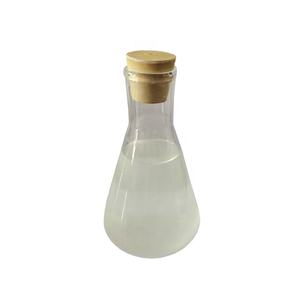
Water reducing admixtures are among the most common. These include mid-range and high-range water reducers, with superplasticizers representing the latter category. Superplasticizers—also called super plasticizers or plasticizers for concrete—dramatically increase workability without adding extra water, thereby boosting strength and durability. Polycarboxylate ether (PCE)-based superplasticizers are now preferred over older naphthalene or melamine types due to their superior performance and lower dosage requirements.
Concrete retarder admixtures delay the setting time, useful in hot climates or for long-haul deliveries. Conversely, accelerating admixtures for concrete shorten curing time, enabling faster formwork removal. Air entraining admixtures introduce microscopic air bubbles that improve freeze-thaw resistance—a critical feature in northern climates. These air entraining agents create air entraining concrete that withstands harsh weather cycles.
4. Waterproofing and Specialty Additives
Waterproofing admixtures protect structures from moisture damage. Options include crystalline waterproofing admixture, which reacts with water and unhydrated cement to form insoluble crystals that block pores, and cement waterproofing additives that provide surface-level protection. A concrete waterproof admix or admixture waterproofing solution is often specified for foundations, tunnels, and water tanks.
Integral waterproofers and concrete waterproofing additives eliminate the need for external membranes, offering long-term protection. When combined with proper mix design, these admixtures significantly extend service life.
5. Fiber Reinforcement in Concrete
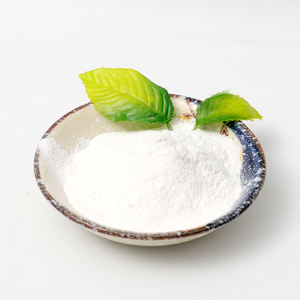
Fibers for concrete—such as polypropylene fibres, steel fibers, or even coconut fiber—enhance tensile strength, reduce cracking, and improve impact resistance. Fiber reinforced concrete is increasingly used in industrial floors, pavements, and seismic zones. Macro fibers and microfibers serve different roles: macro fibers control crack width, while microfibers reduce plastic shrinkage.
Beyond structural uses, fiberfor concrete mix formulations are also found in architectural elements like concrete siding. Products such as Hardie concrete siding or CertainTeed concrete siding often incorporate fiber reinforcement for durability and aesthetics, including wood-look finishes. Concrete fiber siding cost varies, but its longevity and low maintenance make it a popular choice for modern homes.
6. Foaming Agents and Colored Concrete
Foaming agents used in foam concrete enable the production of lightweight cellular concrete (CLC). Protein-based or synthetic foaming agents create stable air voids, reducing density while maintaining insulation properties. CLC foaming agent price and performance vary, but demand is rising for energy-efficient building blocks.
Colored concrete, achieved through pigments or stains, allows for decorative applications like stamped concrete. Stamped concrete colors range from charcoal and terra cotta to white and blue, often paired with release agents to prevent sticking during imprinting. Concrete release agents—available as powders, sprays, or oils—are essential for pattern clarity and surface finish.
7. Conclusion
From superplasticizer in concrete to fiber reinforcement and waterproofing admixtures, modern admixtures have transformed concrete from a basic building block into a high-tech, customizable material. As innovations like PCE-based superplasticizers and sustainable foaming agents gain traction, the role of concrete chemicals will only expand. Understanding admixture types and their applications empowers engineers, contractors, and homeowners to build smarter, stronger, and more resilient structures.
Our Website founded on October 17, 2012, is a high-tech enterprise committed to the research and development, production, processing, sales and technical services of ceramic relative materials such as Admixtures. Our products includes but not limited to Boron Carbide Ceramic Products, Boron Nitride Ceramic Products, Silicon Carbide Ceramic Products, Silicon Nitride Ceramic Products, Zirconium Dioxide Ceramic Products, etc. If you are interested, please feel free to contact us.