Concrete4U | Concrete Admixtures, Tools, and Production Machines

How Do You Choose and Use the Right Concrete Admixtures for Your Project?
1. Introduction
Just 24 hours ago, a major construction firm in Texas reported significant delays due to premature concrete setting caused by unseasonably high temperatures—and the wrong choice of admixture. Their solution? Switching to a high-performance concrete retarder admixture combined with a polycarboxylate-based superplasticizer. This real-world example highlights how critical it is to understand and correctly apply concrete admixtures. Whether you’re pouring a driveway, building a foundation, or finishing decorative stamped concrete, choosing the right admixture can make or break your project.
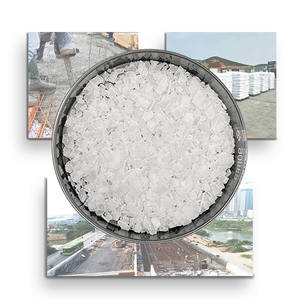
Concrete admixtures are chemical or mineral additives mixed into concrete to enhance its properties. From improving flowability to speeding up curing or adding waterproofing, the right admixture used in concrete can solve dozens of common issues. But with so many options—superplasticizers, air entraining agents, integral waterproofers, fibers—it’s easy to feel overwhelmed. This guide breaks it all down step by step.
2. Understanding Admixture Types
Before you buy anything, know what each category does. Here’s a quick overview of the main concrete admixture types:
- Water reducing admixtures (including mid-range and high-range water reducers) improve workability without adding extra water. Superplasticizer admixture falls under this category and is one of the most widely used concrete chemicals.
- Concrete accelerator: speeds up curing time—ideal for cold weather or fast-track projects.
- Concrete retarder: slows hydration, useful in hot climates or for large pours.
- Air entraining concrete: introduces tiny air bubbles to boost freeze-thaw resistance.
- Waterproofing admixture: includes crystalline waterproofing admixture and integral waterproofer for long-term moisture protection.
- Mineral admixture: like fly ash or silica fume, improves strength and durability.
- Fiber reinforcement: polypropylene fibres for concrete, steel fibers for concrete, or even coconut fiber reinforced concrete add tensile strength and reduce cracking.
3. Step-by-Step Guide to Selecting the Best Admixture for Concrete
3.1 Identify Your Primary Goal
Ask yourself: What problem are you solving? Is your mix too stiff? Is curing taking too long? Are you worried about water damage? Match your goal to an admixture type. For example, if you need better flow without weakening the mix, go for a superplasticizer in concrete—specifically a polycarboxylate ether (PCE) based superplasticizer, which offers high-range water reduction with minimal slump loss.
3.2 Check Compatibility and Dosage
Not all admixtures play nice together. For instance, some accelerating admixtures for concrete can interfere with certain superplasticizers. Always consult the manufacturer’s bio data sheet. Dosage matters too—a typical concrete water reducer might be added at 0.5% to 2% by weight of cement. Overdosing a plasticizer for concrete can cause segregation or excessive bleeding.
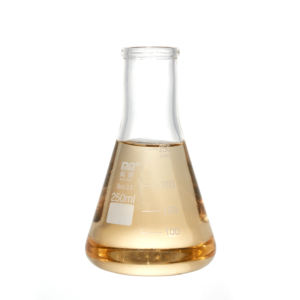
3.3 Consider Environmental Conditions
Hot weather? Use a concrete retarder admixture or surface retarder concrete for decorative finishes. Cold weather? Opt for a concrete accelerator curing time reducer. In freeze-thaw zones, air entraining admixture is non-negotiable—look for products labeled as air entraining agent or air entraining cement additives.
4. Common Problems and Practical Solutions
4.1 Problem: Concrete Is Too Stiff to Pour
Solution: Add a superplasticizer admixture. Polycarboxylate superplasticizer is preferred over older naphthalene or melamine types because it’s more efficient and eco-friendly. Mix thoroughly—usually added during batching or just before placement.
4.2 Problem: Cracks Appearing During Curing
Solution: Incorporate fibers for concrete. Polypropylene fibre or macro fibers help control plastic shrinkage cracks. For structural applications, consider steel fiber reinforced concrete or carbon fiber reinforcement in concrete.
4.3 Problem: Water Seepage Through Basement Walls
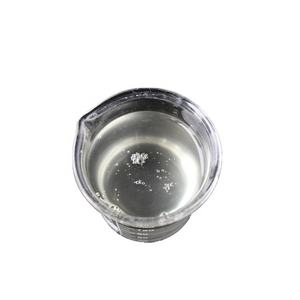
Solution: Use a concrete waterproofing additive like a crystalline waterproofing admixture or cement waterproofing additive. These react with moisture to form insoluble crystals that block capillaries.
4.4 Problem: Stamped Concrete Sticking to Molds
Solution: Apply a quality concrete release agent—either powder or spray. Water-based release agents with color (like charcoal or terra cotta concrete color) also add subtle tinting to stamped patterns.
5. Pro Tips for DIYers and Contractors
Never guess dosage—use calibrated dispensers. Store admixture chemical containers sealed and away from extreme temperatures. For colored concrete projects, combine pigment powders with compatible plasticizer admixture to maintain consistency. Brands like Chryso admixture or Certainteed concrete siding systems often include integrated admixture recommendations.
If you’re working with foam concrete or CLC blocks, don’t forget a reliable foaming agent for foam concrete—protein-based or synthetic, depending on density needs. And for modern concrete siding that looks like wood (e.g., Hardie concrete siding), ensure your fiberfor concrete mix includes polypropylene or cellulose fibers for impact resistance.
6. Conclusion
Choosing the right admixtures isn’t just about following a recipe—it’s about understanding your concrete’s behavior under real-world conditions. Whether you need a fast curing concrete additive, a durable waterproof admix, or reinforcement fiber for concrete, matching the product to your specific challenge ensures stronger, longer-lasting results. With this guide, you’re equipped to make smarter, more confident decisions on every pour.
Our Website founded on October 17, 2012, is a high-tech enterprise committed to the research and development, production, processing, sales and technical services of ceramic relative materials such as How. Our products includes but not limited to Boron Carbide Ceramic Products, Boron Nitride Ceramic Products, Silicon Carbide Ceramic Products, Silicon Nitride Ceramic Products, Zirconium Dioxide Ceramic Products, etc. If you are interested, please feel free to contact us.