Concrete-mesa | Concrete Admixtures, Tools, and Production Machines

How Do You Choose and Use the Right Concrete Admixtures for Your Project?
1. Introduction
Just 24 hours ago, a major construction firm in Texas reported significant delays due to unexpected cold weather slowing concrete curing on a high-rise foundation. Their solution? Switching to accelerating admixtures for concrete to maintain schedule integrity—a real-world reminder of how critical the right admixture choice can be. Whether you’re pouring a driveway, building a retaining wall, or finishing decorative stamped concrete, understanding concrete admixtures is essential for durability, workability, and performance.
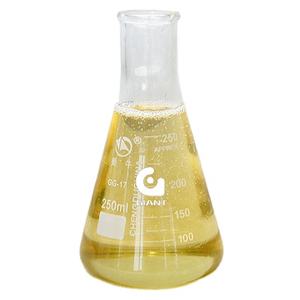
Concrete admixtures—also called concrete additives or cement admixtures—are chemical or mineral ingredients added to concrete mixes to modify their properties. With dozens of options available, from superplasticizer to integral waterproofer, knowing which one to use—and how—can save time, money, and headaches.
2. Understanding Common Admixture Types
Before diving into application, it’s crucial to know the main categories of admixture used in concrete. These fall into two broad groups: chemical admixtures and mineral admixtures.
- Chemical admixtures include superplasticizers, accelerators, retarders, air-entraining agents, and waterproofing admixtures.
- Mineral admixtures (like fly ash or silica fume) improve long-term strength and reduce permeability but are often used alongside chemical types.
The best admixture for concrete depends entirely on your environmental conditions, structural requirements, and desired finish.
2.1 Water-Reducing Admixtures and Superplasticizers
If your mix is too stiff or you need higher strength without adding more cement, water reducing admixtures are your go-to. Among these, superplasticizer (also called super plasticizers or high-range water reducers) offers the most dramatic effect—reducing water content by up to 30% while boosting flowability.
Polycarboxylate ether (PCE)-based superplasticizers are now the industry standard due to their efficiency and compatibility with modern cements. They’re ideal for self-consolidating concrete, precast elements, and high-strength applications. Always follow dosage instructions—overuse can cause segregation or excessive slump loss.
2.2 Accelerators and Retarders
Need fast curing concrete additives? Concrete accelerator shortens setting time and boosts early strength—perfect for cold-weather pours or emergency repairs. Calcium chloride is common but can corrode rebar; non-chloride alternatives are safer for reinforced structures.
Conversely, a concrete retarder (or surface retarder concrete for exposed aggregate finishes) delays hydration. This is useful in hot climates or when transporting ready-mix over long distances. Admixture retarder products help maintain workability without compromising final strength.
2.3 Air-Entraining and Waterproofing Additives
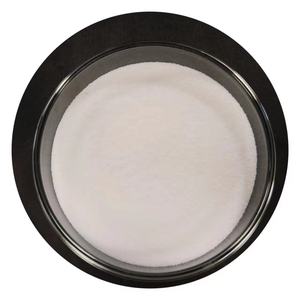
In freeze-thaw environments, air entraining concrete is non-negotiable. Air entraining admixture introduces microscopic air bubbles that act as pressure relief valves during ice expansion, preventing spalling and cracking. Look for products labeled as air entraining agent or air entraining cement-compatible.
For wet areas like basements or water tanks, consider a concrete waterproofing additive. Options include integral waterproofer, crystalline waterproofing admixture, or cement waterproofing additive. These react with moisture to form insoluble crystals that block capillary pores—far more effective than surface sealers alone.
3. Step-by-Step Guide to Using Admixtures Correctly
3.1 Assess Your Project Needs
Ask: Is strength the priority? Workability? Freeze resistance? Waterproofing? For example, stamped concrete colors and patterns require excellent flow and controlled set time—so a mid-range water reducer plus a mild retarder may be ideal.
3.2 Choose the Right Product
Not all brands perform equally. Reputable lines like Chryso admixture offer tested formulations. For DIYers, Home Depot carries reliable concrete chemicals, including superplasticizer for concrete and concrete release agent for stamping.
3.3 Measure and Mix Precisely
Admixtures are potent—even small overdoses can ruin a batch. Use calibrated dispensers. Add liquid admixtures to mix water before introducing cement. Powdered types (like colored concrete powder or concrete stain powder) should be pre-blended with dry aggregates.
3.4 Test Before Full Application
Always trial a small batch. Check slump, set time, and finish quality. For fiber-reinforced concrete, ensure fibers (polypropylene fibres for concrete, steel fibers for concrete, or even coconut fiber reinforced concrete) disperse evenly without balling.
4. Solving Common Problems with the Right Admixture
Cracking? Try fiber reinforcement—macro fibers or pp fiber concrete reduce plastic shrinkage cracks.
Poor compaction? A superplasticizer admixture improves flow without extra water.
Water leakage? Apply a waterproof admix like crystalline waterproofing admixture during batching—not as an afterthought.
Sticky forms? Use a concrete form release agent (water-based or oil-based) to prevent adhesion and preserve surface detail on stamped or patterned concrete.
5. Conclusion
Choosing and using concrete admixtures doesn’t have to be complicated. By matching the right admixture types—whether it’s a concrete water reducer, air entraining admixture, or concrete accelerator—to your specific challenge, you’ll achieve stronger, more durable, and better-looking results. Always read technical data sheets, respect dosages, and test first. With the right approach, even complex projects like fiber reinforced concrete or white concrete countertops become manageable and successful.
Our Website founded on October 17, 2012, is a high-tech enterprise committed to the research and development, production, processing, sales and technical services of ceramic relative materials such as How. Our products includes but not limited to Boron Carbide Ceramic Products, Boron Nitride Ceramic Products, Silicon Carbide Ceramic Products, Silicon Nitride Ceramic Products, Zirconium Dioxide Ceramic Products, etc. If you are interested, please feel free to contact us.