Concrete4U | Concrete Admixtures, Tools, and Production Machines

What Are Admixtures and How Do They Transform Concrete Performance?
1. Introduction
Ever wondered how modern concrete achieves such incredible strength, durability, or even vibrant colors? The secret lies in admixtures—specially formulated chemicals added to concrete mixes to modify their properties. Whether you’re pouring a driveway, building a high-rise, or crafting decorative stamped concrete, admixtures play a pivotal role in tailoring performance to your exact needs.
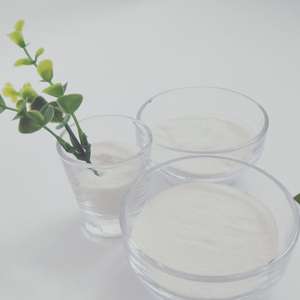
Admixtures aren’t just optional extras—they’re essential tools in today’s construction toolkit. From speeding up curing times with a concrete accelerator to making mixes more fluid without adding water using a superplasticizer, these concrete additives solve real-world challenges efficiently and cost-effectively.
2. What Are Admixtures?
Admixtures (sometimes spelled ‘ad mixtures’) are materials other than cement, water, and aggregates that are added to concrete before or during mixing to enhance its properties. These can be chemical or mineral in nature and are used in small quantities—typically less than 5% by weight of cement—but yield significant improvements.
The primary goal of using an admixture used in concrete is to overcome limitations of plain concrete, such as poor workability, slow setting, susceptibility to freezing, or lack of water resistance. With the right admixture chemical, contractors can fine-tune everything from pour time to final appearance.
3. Major Types of Concrete Admixtures
Concrete admixture types fall into several functional categories. Understanding these helps in choosing the best admixture for concrete for any given application.
3.1 Water-Reducing Admixtures
Water reducing admixtures, also known as concrete water reducers, decrease the amount of water needed in a mix while maintaining workability. This leads to higher strength and lower permeability. Among these, superplasticizers (or super plasticizers) are the most powerful—classified as high-range water reducers.
Superplasticizer in concrete works by dispersing cement particles, allowing for flowable mixes with minimal water. Polycarboxylate ether (PCE)-based superplasticizers are now preferred over older naphthalene or melamine types due to better slump retention and eco-friendliness. A superplasticizer admixture can reduce water content by up to 40%, making it ideal for high-strength or self-consolidating concrete.
3.2 Accelerating and Retarding Admixtures
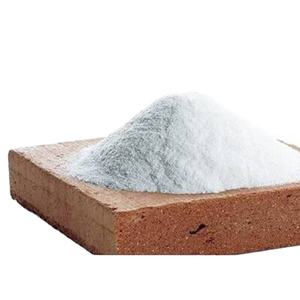
Concrete accelerator admixtures shorten setting time and boost early strength—crucial in cold weather or when forms need quick removal. Fast curing concrete additives often contain calcium chloride or non-chloride alternatives to avoid corrosion.
On the flip side, a concrete retarder (or admixture retarder) delays hydration, useful in hot climates or for long hauls. Surface retarder concrete products even allow decorative stamping by keeping the surface soft while the interior sets.
3.3 Air-Entraining Admixtures
Air entraining concrete contains microscopic air bubbles introduced by an air entraining admixture (or air entraining agent). These bubbles improve freeze-thaw resistance and increase durability in harsh climates. Air entraining cement is common in roads, bridges, and outdoor slabs where deicing salts are used.
3.4 Waterproofing and Integral Additives
For structures exposed to moisture, waterproofing admixture options are vital. An integral waterproofer or crystalline waterproofing admixture reacts with cement to block capillary pores, offering permanent protection from within. Unlike surface sealers, concrete waterproof admix or cement waterproofing additive becomes part of the matrix—ideal for basements, tanks, and tunnels.
Popular choices include concrete waterproofing additive systems that meet ASTM standards, ensuring long-term resistance without maintenance.
4. Fiber Reinforcement and Specialty Additives
Beyond chemicals, fibers are increasingly used as concrete additives fiber to control cracking and improve toughness. Fiber reinforced concrete includes polypropylene fibres for concrete (microfibers) or steel fibers for concrete (macro fibers), enhancing impact resistance and post-crack behavior.
Applications range from industrial floors (using fibermesh concrete) to architectural panels. Coconut fiber reinforced concrete and carbon fiber reinforcement in concrete are emerging sustainable and high-performance options. While not structural replacements for rebar, fibers significantly reduce plastic shrinkage cracks.
5. Aesthetic and Functional Enhancers
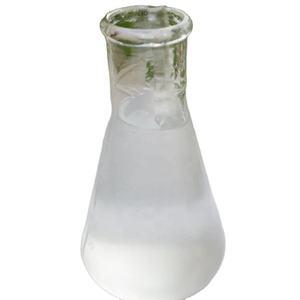
Want colored concrete or stamped patterns? Powder concrete colorants and release agents make it possible. Stamped concrete colors—from charcoal to terra cotta—are applied with powder release agents or spray release agents to prevent sticking and add hue.
White cement, often used with superplasticizer for optimal flow, enables bright countertops or white concrete pavers. Meanwhile, foaming agents for foam concrete (like CLC foaming agent or protein-based variants) create lightweight blocks for insulation or void filling.
6. Choosing the Right Admixture
Selecting the best admixture for concrete depends on climate, structural demands, and desired finish. For example:
- Need high flow without segregation? Use a polycarboxylate superplasticizer.
- Pouring in winter? Opt for accelerating admixtures for concrete.
- Building a water tank? Go with a crystalline waterproofing admixture.
- Creating decorative stamped concrete? Combine color powder with a quality concrete form release agent.
Brands like Chryso admixture offer tailored solutions, but always check compatibility and dosage. Overuse can cause issues like excessive bleeding or delayed set.
7. Conclusion
Admixtures have revolutionized concrete technology, turning a basic mixture into a high-performance, versatile building material. Whether you’re using a simple plasticizer for concrete or advanced fiberfor concrete systems, these additives unlock precision, durability, and creativity. By understanding concrete admixture types—from superplasticizer admixture to air entraining and waterproof admix—you can ensure every pour meets both engineering and aesthetic goals.
Our Website founded on October 17, 2012, is a high-tech enterprise committed to the research and development, production, processing, sales and technical services of ceramic relative materials such as What. Our products includes but not limited to Boron Carbide Ceramic Products, Boron Nitride Ceramic Products, Silicon Carbide Ceramic Products, Silicon Nitride Ceramic Products, Zirconium Dioxide Ceramic Products, etc. If you are interested, please feel free to contact us.