Concrete4U | Concrete Admixtures, Tools, and Production Machines

Admixtures Are Revolutionizing Modern Concrete—Here’s Everything You Need to Know
1. Introduction
Just 24 hours ago, a major breakthrough was announced by researchers at MIT: a new generation of bio-based superplasticizers that reduce carbon emissions by up to 30% while improving concrete flowability. This innovation highlights how admixtures are no longer just additives—they’re essential tools shaping the future of sustainable construction. Whether you’re a contractor, engineer, or DIY enthusiast, understanding admixtures can dramatically improve your concrete outcomes.
2. What Are Admixtures?
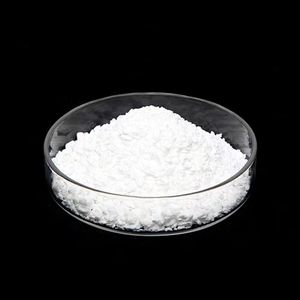
Admixtures—sometimes spelled ‘ad mixtures’—are materials added to concrete before or during mixing to modify its properties. These concrete additives aren’t part of the core ingredients (cement, water, aggregates), but they play a critical role in tailoring performance for specific conditions. From speeding up curing time to enhancing freeze-thaw resistance, admixtures solve real-world challenges on job sites every day.
3. Major Types of Concrete Admixtures
3.1 Chemical Admixtures
Chemical admixtures are liquid or powder formulations that alter the chemical behavior of concrete. Common categories include:
- Water reducing admixtures (also called concrete water reducers): Improve workability without adding extra water.
- Superplasticizers (or super plasticizers): High-range water reducers that enable ultra-flowable mixes—ideal for complex forms or high-strength concrete.
- Concrete accelerators: Reduce setting time, especially useful in cold weather or fast-track projects.
- Concrete retarders (or admixture retarders): Delay hardening, beneficial in hot climates or long hauls.
- Air entraining admixtures: Introduce microscopic air bubbles to boost freeze-thaw durability—often referred to as air entraining concrete or air entraining cement.
- Waterproofing admixtures: Including integral waterproofer, crystalline waterproofing admixture, and cement waterproofing additive for long-term moisture resistance.
3.2 Mineral Admixtures
Mineral admixtures like fly ash, silica fume, or slag are finely ground materials that partially replace cement. They enhance strength, reduce heat of hydration, and improve sustainability. These are often grouped under ‘cement admixture’ or ‘mineral admixture’ in technical specs.
4. Spotlight on Key Admixture Categories
4.1 Superplasticizers: The Game-Changer
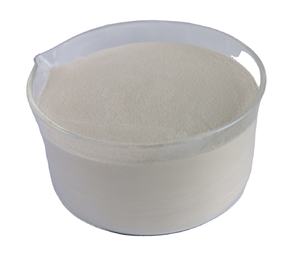
Superplasticizer in concrete is arguably the most impactful modern admixture. Based on polycarboxylate ether (PCE) or naphthalene sulfonate, superplasticizer admixture allows for high-slump concrete with minimal water—boosting strength and durability. PCE-based superplasticizers are now preferred for their efficiency and eco-friendliness. Brands like Chryso admixture offer tailored solutions for everything from skyscrapers to sidewalks.
4.2 Waterproofing Solutions
For basements, tunnels, or wet areas, waterproofing admixture for concrete is non-negotiable. Options range from hydrophobic additives to reactive crystalline systems that self-seal microcracks. Products labeled ‘concrete waterproof admix’ or ‘admixture waterproofing’ ensure structures stay dry for decades.
4.3 Fiber Reinforcement
Gone are the days when steel rebar was the only reinforcement. Today, fibers for concrete—including polypropylene fibres for concrete, steel fibers for concrete, and even coconut fiber reinforced concrete—add tensile strength and crack control. Fiber reinforced concrete is used in everything from industrial floors to residential siding. Speaking of which, concrete fiber siding (like Hardie or CertainTeed brands) offers wood-like aesthetics with concrete durability—and yes, you can find concrete siding that looks like wood at Home Depot.
4.4 Foaming Agents for Lightweight Concrete
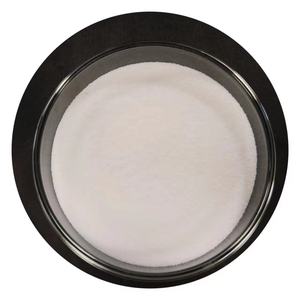
Foaming agent used in foam concrete creates cellular lightweight concrete (CLC). Whether protein based foaming agent or synthetic, these agents produce aircrete blocks or insulating fills. CLC foaming agent price varies, but the result—lightweight, thermally efficient concrete—is worth it.
4.5 Color and Finish Enhancers
Colored concrete isn’t just decorative—it’s functional. Powder concrete colorants, stamp release agents, and tinted concrete allow for stamped and colored concrete driveways, patios, and walls. Gray, charcoal, terra cotta, or white stamped concrete? The palette is vast. Don’t forget release agents like spray release or powder release agent to prevent sticking during stamping.
5. Choosing the Best Admixture for Concrete
The best admixture for concrete depends on your project’s needs. Need fast curing concrete additives? Go for accelerating admixtures for concrete. Pouring in summer heat? A concrete retarder admixture or surface retarder concrete keeps things manageable. For countertops or facades, white cement paired with a superplasticizer yields a smooth, bright finish. Always consult technical data sheets (sometimes called bio data sheet in error) and consider compatibility with other concrete chemicals.
6. Conclusion
From superplasticizer admixture to fiberfor concrete and waterproof admix, modern admixtures empower builders to push boundaries in design, efficiency, and sustainability. As innovations like MIT’s bio-superplasticizers hit the market, the line between chemistry and construction continues to blur—making today the perfect time to master the science of admixtures.
Our Website founded on October 17, 2012, is a high-tech enterprise committed to the research and development, production, processing, sales and technical services of ceramic relative materials such as Admixtures. Our products includes but not limited to Boron Carbide Ceramic Products, Boron Nitride Ceramic Products, Silicon Carbide Ceramic Products, Silicon Nitride Ceramic Products, Zirconium Dioxide Ceramic Products, etc. If you are interested, please feel free to contact us.