Concrete4U | Concrete Admixtures, Tools, and Production Machines

How Advanced Admixtures Are Revolutionizing Fiber-Reinforced Concrete for Modern Siding
1. Introduction
Just 24 hours ago, leading building materials manufacturer James Hardie announced a major expansion of its North American production lines for fiber-reinforced concrete siding—citing breakthroughs in admixture technology as a key driver. This move underscores a growing trend: the strategic use of advanced concrete admixtures to create siding that mimics wood grain while outperforming traditional materials in durability, fire resistance, and moisture control.
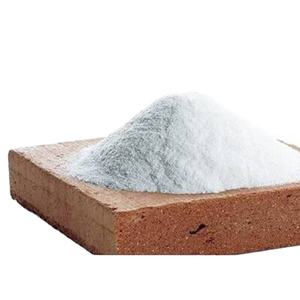
In today’s construction landscape, ‘concrete siding’ isn’t just about function—it’s about form, sustainability, and performance. And behind every sleek panel of modern fibercement siding lies a carefully engineered cocktail of concrete additives designed to solve very specific challenges.
2. Why Admixtures Matter in Fiber-Reinforced Concrete Siding
Fibercement siding—often marketed as ‘concrete fiber siding’ or ‘concrete cement siding’—combines Portland cement, sand, water, and cellulose or synthetic fibers. But without the right admixture used in concrete, this mix would be too stiff to mold into intricate wood-like textures or prone to cracking during curing.
That’s where concrete admixture types like superplasticizers, air entraining agents, and integral waterproofers come in. These chemical admixture for concrete formulations transform an otherwise brittle composite into a flexible, resilient, and visually appealing cladding solution.
3. Superplasticizers: The Secret to Smooth, Detailed Surfaces
One of the biggest hurdles in manufacturing concrete siding that looks like wood is achieving fine surface detail without compromising structural integrity. Enter the superplasticizer in concrete.
Superplasticizer admixtures—particularly polycarboxylate ether (PCE)-based types—act as high-range water reducers. They dramatically improve flowability without adding extra water, which would weaken the final product. This allows manufacturers to cast ultra-thin panels with sharp embossed patterns that mimic cedar shakes or vertical grain lumber.
Unlike older naphthalene or melamine-based superplasticizers, modern PCE superplasticizers offer better slump retention and compatibility with fibers. This makes them the best admixture for concrete siding applications where consistency across large production batches is critical.
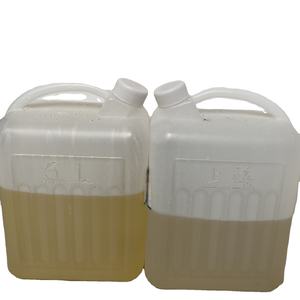
4. Waterproofing and Durability: Beyond Surface Coatings
Traditional siding often fails due to water infiltration, leading to rot, mold, or delamination. Fibercement sidings avoid organic decay—but they still need protection from moisture absorption that can cause efflorescence or freeze-thaw damage.
Here, crystalline waterproofing admixture and integral waterproofer technologies shine. Unlike topical sealers, these concrete waterproofing additives react chemically within the cement matrix to block capillary pores permanently.
Products like cement waterproofing additive or concrete waterproof admix create a hydrophobic internal barrier, ensuring long-term performance even in coastal or high-humidity climates. This is especially vital for home siding exposed to driving rain or snowmelt.
5. Fiber Reinforcement + Smart Admixtures = Unmatched Toughness
While fibers like polypropylene fibre or steel fibers for concrete provide tensile strength, they can interfere with workability. That’s why plasticizer for concrete and concrete water reducer admixtures are essential—they counteract the stiffening effect of reinforcement fiber for concrete.
Macro fibers and microfibers (including innovative options like coconut fiber reinforced concrete) distribute stress evenly, reducing crack formation. But without a compatible plasticizer admixture, the mix becomes unworkable.
Modern formulations now blend pp fiber concrete with air entraining concrete additives. Air entraining admixture introduces microscopic air bubbles that cushion the concrete during freeze-thaw cycles—critical for homes in northern climates using concrete siding for homes.
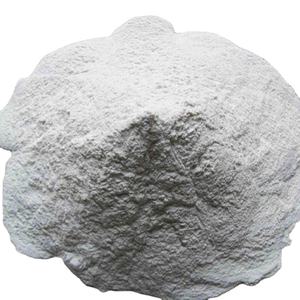
6. Accelerators, Retarders, and Curing Control
Production speed matters. Fast curing concrete additives—such as concrete accelerator curing time reducers—allow panels to demold faster, boosting throughput. Yet in hot weather, a concrete retarder admixture may be needed to prevent premature setting.
Surface retarder concrete techniques are even used to create exposed aggregate finishes on premium siding lines. Meanwhile, accelerating admixtures for concrete ensure consistent early strength gain without compromising long-term durability.
7. Sustainability and Aesthetics Go Hand-in-Hand
Today’s consumers want eco-friendly materials that don’t sacrifice style. Colored concrete powders and tinted concrete systems let manufacturers produce charcoal, terra cotta, or white concrete siding without painting—reducing VOC emissions and maintenance.
White cement, often paired with superplasticizer for cement, enables bright, clean palettes for modern concrete siding. And because the color is integral, scratches won’t reveal a different substrate—unlike painted wood or vinyl.
8. Conclusion
From superplasticizer admixture to crystalline waterproofing admixture, the right concrete chemicals turn ordinary cement into extraordinary building envelopes. As companies like Hardie and CertainTeed push the boundaries of what concrete siding can be, admixtures remain the invisible heroes—enhancing performance, aesthetics, and sustainability in every panel.
For builders and homeowners alike, understanding admixture types isn’t just technical—it’s the key to choosing siding that lasts decades, not years.
Our Website founded on October 17, 2012, is a high-tech enterprise committed to the research and development, production, processing, sales and technical services of ceramic relative materials such as How. Our products includes but not limited to Boron Carbide Ceramic Products, Boron Nitride Ceramic Products, Silicon Carbide Ceramic Products, Silicon Nitride Ceramic Products, Zirconium Dioxide Ceramic Products, etc. If you are interested, please feel free to contact us.