Concrete4U | Concrete Admixtures, Tools, and Production Machines

What Are Admixtures and Why Are They Essential in Modern Concrete Construction?
1. Introduction
In breaking industry news from just 24 hours ago, global construction giant LafargeHolcim announced a major partnership with Chryso to integrate next-generation polycarboxylate ether (PCE) superplasticizers into its low-carbon concrete mixes across North America. This move highlights the growing reliance on advanced admixtures to meet sustainability goals without compromising strength or workability.
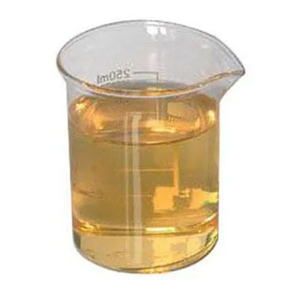
If you’ve ever wondered how modern skyscrapers rise faster, bridges last longer, or sidewalks resist freeze-thaw damage, the secret often lies in admixtures. These concrete additives—carefully engineered chemicals or minerals—are mixed into concrete to modify its properties during mixing, placing, or curing. From speeding up construction timelines to enabling intricate architectural designs, admixtures have revolutionized the way we build.
2. What Are Admixtures?
Admixtures are ingredients added to concrete, mortar, or grout before or during mixing to enhance specific characteristics. Also referred to as concrete chemicals or cement admixtures, they can improve workability, control setting time, increase durability, or reduce water content. The term ‘ad mixtures’ is sometimes used informally, but the correct technical term is ‘admixture.’
There are two broad categories: chemical admixtures and mineral admixtures. Chemical types include superplasticizers, accelerators, and air-entraining agents, while mineral varieties often involve fly ash, silica fume, or slag—used to improve long-term strength and reduce environmental impact.
3. Common Types of Concrete Admixtures
Understanding admixture types helps contractors choose the best admixture for concrete based on project needs. Here’s a breakdown of the most widely used categories:
- Water reducing admixtures: These include mid-range and high-range water reducers (like superplasticizers) that allow less water for the same slump, boosting strength and durability.
- Superplasticizer: Often called super plasticizers, these are high-range water reducers that dramatically increase flow without adding water. Polycarboxylate ether (PCE)-based superplasticizers are now the gold standard due to their efficiency and compatibility with modern cements.
- Concrete accelerator: These speed up early strength development and shorten curing time—ideal for cold weather or fast-track projects. Accelerating admixtures for concrete help achieve concrete accelerator curing time targets as short as 24 hours.
- Concrete retarder: Used in hot climates or for long hauls, retarders delay setting. A concrete retarder admixture or surface retarder concrete can keep the mix workable for hours longer.
- Air entraining concrete: Achieved through air entraining admixtures or air entraining agents, this introduces microscopic air bubbles that protect against freeze-thaw damage. Air entraining cement improves resilience in harsh environments.
- Waterproofing admixture: Products like integral waterproofer, crystalline waterproofing admixture, or concrete waterproof admix prevent moisture penetration. Whether labeled cement waterproofing additive or admixture waterproofing, these are vital for basements, tunnels, and roofs.
4. Specialized Additives and Innovations
Beyond basic categories, niche admixtures address unique challenges. For example, fiber reinforcement has surged in popularity. Fibers for concrete—including polypropylene fibres for concrete, steel fibers for concrete, and even coconut fiber reinforced concrete—enhance crack resistance and toughness. Fiber reinforced concrete is now standard in industrial floors, shotcrete, and seismic zones.
Foaming agents are another innovation. A concrete foaming agent or CLC foaming agent creates lightweight cellular concrete (aircrete) for insulation blocks or void filling. Protein-based and synthetic foaming agents offer different performance trade-offs depending on application.
For aesthetics, colored concrete and stamped concrete colors rely on pigments and release agents. While not structural, these additives expand design possibilities—think charcoal stamped concrete or terra cotta concrete color mimicking natural stone.
5. Practical Applications and Real-World Use
Contractors routinely select admixture used in concrete based on climate, schedule, and structural demands. In residential builds, home depot concrete siding often uses fiber-reinforced concrete for durability—brands like Hardie concrete siding and CertainTeed concrete siding leverage pp fiber concrete for weather resistance and wood-like appearance.
Superplasticizer admixture is indispensable in high-rise construction, where pumpable, high-strength concrete must flow through narrow rebar cages. Meanwhile, fast curing concrete additives enable rapid road repairs using polyurethane concrete lifting equipment.
Even white cement applications—such as white concrete countertops or decorative facades—benefit from tailored admixtures. White cement for waterproofing may include specialized admixture waterproofing to maintain brightness while resisting stains.
6. Choosing the Right Admixture
Selecting the best admixture for concrete isn’t one-size-fits-all. Factors include ambient temperature, required strength, exposure conditions, and sustainability goals. For instance, PCE superplasticizer offers superior slump retention over naphthalene or melamine-based alternatives. Similarly, crystalline waterproofing admixture outperforms surface coatings in long-term underground structures.
Always consult technical data sheets (sometimes called bio data sheet in older terminology) and consider compatibility with other concrete chemicals. Reputable suppliers like Chryso admixture provide detailed guidance on dosage and mixing protocols.
7. Conclusion
Admixtures are no longer optional extras—they’re essential tools in the modern builder’s toolkit. Whether you’re pouring a backyard patio or erecting a seismic-resistant hospital, the right concrete additives can save time, cut costs, and dramatically extend service life. As innovations like carbon fiber reinforced concrete and eco-friendly foaming agents emerge, the future of concrete will be shaped not just by cement and aggregate—but by the smart chemistry mixed right in.
Our Website founded on October 17, 2012, is a high-tech enterprise committed to the research and development, production, processing, sales and technical services of ceramic relative materials such as What. Our products includes but not limited to Boron Carbide Ceramic Products, Boron Nitride Ceramic Products, Silicon Carbide Ceramic Products, Silicon Nitride Ceramic Products, Zirconium Dioxide Ceramic Products, etc. If you are interested, please feel free to contact us.