Concrete4U | Concrete Admixtures, Tools, and Production Machines

How Advanced Admixtures Are Revolutionizing Fiber-Reinforced Concrete for Modern Siding
1. Introduction
Just 24 hours ago, leading building materials manufacturer James Hardie announced a major expansion of its North American production lines for fiber cement siding—citing unprecedented demand driven by climate-resilient construction trends. This surge isn’t just about aesthetics; it’s powered by breakthroughs in concrete admixtures that make modern siding lighter, stronger, and more weatherproof than ever before.
Fibercement siding—often called concrete fiber siding or concrete siding—has evolved far beyond its utilitarian roots. Today’s versions mimic wood grain so convincingly that many homeowners can’t tell the difference. But what really sets them apart is the science behind the mix: a precise cocktail of concrete additives engineered for performance, durability, and ease of manufacturing.
2. Why Admixtures Matter in Fiber-Reinforced Concrete Siding
Concrete siding isn’t just cement and sand. To achieve the thin, durable panels used on millions of homes, producers rely heavily on admixture used in concrete to control everything from curing time to water resistance. Without the right concrete chemicals, fibercement would crack during drying, absorb moisture, or lack the tensile strength needed for long-term exterior use.
The best admixture for concrete in this niche application combines workability enhancers with structural and protective additives. Let’s break down the key players.
3. Superplasticizers: Enabling Thin, Strong Panels
One of the biggest challenges in making concrete fiber siding is achieving a fluid mix that can be evenly distributed around reinforcement fibers—without adding excess water. That’s where superplasticizer in concrete shines.
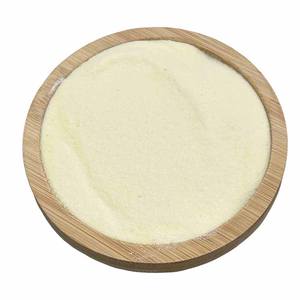
Superplasticizer admixture, especially polycarboxylate ether (PCE)-based types, acts as a high-range water reducer. It dramatically improves flow while cutting water content by up to 40%. This results in a denser, stronger matrix that cures faster and resists cracking—critical for large, thin panels exposed to wind and thermal cycling.
Unlike older naphthalene or melamine-based superplasticizers, modern PCE superplasticizers offer better slump retention, allowing consistent extrusion or molding during high-speed production. For manufacturers like CertainTeed and Hardie, this means fewer defects and higher output.
4. Waterproofing and Durability: Beyond Surface Coatings
Traditional concrete absorbs water, leading to freeze-thaw damage and efflorescence. But today’s concrete siding stays pristine thanks to integral waterproofing admixtures.
Crystalline waterproofing admixture and cement waterproofing additive react with moisture to form insoluble crystals inside the concrete pores, blocking water permanently from within. This is far more reliable than topical sealers that wear off over time.
Combined with air entraining admixture—which introduces microscopic air bubbles to cushion against ice expansion—these systems create siding that withstands decades of rain, snow, and humidity. Air entraining concrete is now standard in cold-climate formulations.
5. Fiber Reinforcement: From Polypropylene to Coconut
Fiber reinforced concrete is the backbone of modern siding. While steel fibers offer high tensile strength, most residential products use polypropylene fibre or cellulose-based fibers (including innovative coconut fiber reinforced concrete) for cost, weight, and corrosion resistance.
These reinforcement fibers for concrete prevent microcracking during curing and improve impact resistance. But they only work if the concrete mix is perfectly fluid—again highlighting the need for plasticizer for concrete or superplasticizer admixture to ensure even dispersion.
Macro fibers and microfibers are often blended to address both structural integrity and surface finish. The result? Concrete fiber siding that won’t warp, rot, or burn—unlike real wood.
6. Accelerators, Retarders, and Release Agents: Fine-Tuning Production
In high-volume plants, timing is everything. Concrete accelerator curing time must be calibrated so panels set quickly but don’t crack. Conversely, concrete retarder admixture may be used in hot climates to prevent premature stiffening.
Surface retarder concrete techniques also allow for textured finishes that mimic cedar shakes or smooth boards. And when it’s time to demold, a quality concrete form release agent—often water-based and tinted—ensures clean edges without staining.
7. The Future: Sustainable, Smart Admixtures
New developments include bio-based foaming agents for lightweight variants and self-healing crystalline admixtures that seal hairline cracks over time. Even colored concrete powders are being integrated directly into the mix, eliminating post-installation painting.
As environmental regulations tighten, low-VOC, non-toxic concrete additives fiber and mineral admixture blends are gaining traction. Companies like Chryso are pioneering admixture chemical solutions that reduce carbon footprint without sacrificing performance.
8. Conclusion
From superplasticizer to air entraining agent, the right concrete admixture types transform ordinary cement into high-performance building envelopes. In the booming market for concrete siding that looks like wood but lasts like stone, admixtures aren’t just helpful—they’re essential. As innovation continues, expect even smarter, greener, and more resilient concrete solutions to redefine what’s possible on the outside of your home.
Our Website founded on October 17, 2012, is a high-tech enterprise committed to the research and development, production, processing, sales and technical services of ceramic relative materials such as How. Our products includes but not limited to Boron Carbide Ceramic Products, Boron Nitride Ceramic Products, Silicon Carbide Ceramic Products, Silicon Nitride Ceramic Products, Zirconium Dioxide Ceramic Products, etc. If you are interested, please feel free to contact us.