Concrete4U | Concrete Admixtures, Tools, and Production Machines

Superplasticizers vs. Traditional Water Reducers: A Deep Dive into Modern Concrete Admixtures
1. Introduction
Concrete is far more than just cement, sand, and water—it’s a high-performance material shaped by chemistry. At the heart of modern concrete technology are admixtures: chemical or mineral ingredients added to concrete mixes to enhance workability, durability, strength, or setting time. Among the most transformative of these are water reducing admixtures, particularly superplasticizers. As the construction industry pushes for greener, stronger, and more versatile concrete solutions, understanding the differences between traditional and next-generation admixtures is essential for engineers, contractors, and DIY builders alike.
2. The Evolution of Water Reducing Admixtures
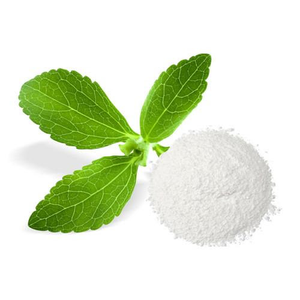
Water reducers have been used for decades to improve concrete flow without adding extra water—which would weaken the final product. Early generations included lignosulfonates, but the real game-changers arrived with naphthalene-based superplasticizers (SNF) and melamine-based variants (SMF). These offered significant slump improvement and were widely adopted in precast and ready-mix applications. However, they came with drawbacks: strong odor, sensitivity to cement chemistry, and limited slump retention over time.
Enter polycarboxylate ether (PCE)-based superplasticizers—the current gold standard in high-range water reduction. Unlike SNF or SMF, PCE molecules are engineered at the molecular level to provide superior dispersion of cement particles, resulting in higher fluidity, lower water-cement ratios, and better long-term stability. This makes PCE ideal for self-consolidating concrete (SCC), ultra-high-performance concrete (UHPC), and projects requiring extended workability windows.
3. Superplasticizer Showdown: PCE vs. Naphthalene vs. Melamine
When comparing superplasticizer admixture types, three key factors stand out: water reduction efficiency, compatibility, and environmental impact. Polycarboxylate superplasticizers can reduce water content by 30–40%, far surpassing the 15–25% typical of naphthalene sulfonate in concrete. They also offer excellent compatibility with diverse cement types and supplementary cementitious materials like fly ash or slag.
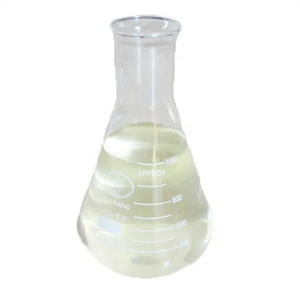
Naphthalene-based superplasticizers remain popular due to their lower cost and proven track record, especially in regions where PCE supply chains are underdeveloped. However, they often require re-dosing on-site to maintain workability and may cause rapid slump loss. Melamine superplasticizers offer brighter concrete finishes—useful in architectural applications—but deliver less water reduction than PCEs.
- PCE superplasticizers: Best for high-strength, low-permeability, and sustainable concrete mixes.
- Naphthalene superplasticizers: Cost-effective for standard applications with shorter haul times.
- Melamine superplasticizers: Preferred when surface finish and color consistency matter most.
4. Beyond Flow: Other Critical Admixture Types
While superplasticizers dominate discussions around workability, other concrete chemicals play equally vital roles. Accelerating admixtures for concrete shorten curing time—ideal for cold-weather pours or fast-track projects. Conversely, concrete retarder admixtures delay setting, useful in hot climates or complex placements. Surface retarder concrete products allow decorative stamping by selectively delaying the surface set while the interior hardens.
Air entraining admixture introduces microscopic air bubbles that boost freeze-thaw resistance—critical in northern climates. These air entraining agents create durable, resilient concrete without sacrificing compressive strength when dosed correctly. Meanwhile, integral waterproofer and crystalline waterproofing admixture options provide long-term moisture protection from within, eliminating the need for external membranes in many cases.
5. Fiber Reinforcement and Specialty Additives
Modern concrete isn’t just about chemistry—it’s also about reinforcement. Fibers for concrete, including polypropylene fibres for concrete, steel fibers for concrete, and even coconut fiber reinforced concrete, enhance crack resistance and impact toughness. Fiber reinforced concrete is now standard in industrial floors, pavements, and seismic zones. Macro fibers and microfibers serve different purposes: macro for structural ductility, micro for plastic-shrinkage control.
For exterior applications, concrete siding—such as Hardie concrete siding or CertainTeed concrete siding—often incorporates fiber reinforcement to mimic wood grain while offering fire and pest resistance. Though concrete fiber siding cost can be higher upfront, its longevity offsets maintenance expenses over time.
6. Practical Considerations: Choosing the Best Admixture for Concrete
Selecting the right admixture depends on project goals. Need fast curing concrete additives? Look for non-chloride accelerators. Planning stamped and colored concrete? Pair your mix with a compatible superplasticizer and a quality concrete release agent to preserve pattern detail. For waterproofing, consider a cement waterproofing additive like a crystalline admixture rather than surface coatings alone.
Brands like Chryso admixture offer tailored solutions, but even generic polycarboxylate ether superplasticizer products can deliver excellent results if matched to your cement type and ambient conditions. Always request a bio data sheet from suppliers to verify dosage rates, compatibility, and performance metrics.
7. Conclusion
The world of concrete admixtures has evolved from simple plasticizers to sophisticated, multi-functional systems. While traditional water reducers still have their place, polycarboxylate-based superplasticizers represent the future—enabling stronger, greener, and more adaptable concrete. Whether you’re pouring a driveway, building a skyscraper, or installing modern concrete siding, understanding admixture types and their interactions is key to achieving optimal performance, durability, and value.
Our Website founded on October 17, 2012, is a high-tech enterprise committed to the research and development, production, processing, sales and technical services of ceramic relative materials such as Superplasticizers. Our products includes but not limited to Boron Carbide Ceramic Products, Boron Nitride Ceramic Products, Silicon Carbide Ceramic Products, Silicon Nitride Ceramic Products, Zirconium Dioxide Ceramic Products, etc. If you are interested, please feel free to contact us.