Concrete4U | Concrete Admixtures, Tools, and Production Machines

7 Niche Applications of Concrete Admixtures You Didn’t Know Were Revolutionizing Construction
1. Introduction
Just 24 hours ago, a major breakthrough was announced by researchers at MIT: they’ve developed a new coconut fiber-reinforced concrete mix that cuts carbon emissions by 40% while maintaining structural integrity. This innovation underscores a growing trend—using highly specialized concrete admixtures to solve niche problems in sustainability, durability, and aesthetics. Gone are the days when ‘admixtures’ meant just a basic water reducer. Today’s concrete chemicals are precision-engineered additives that enable everything from ultra-thin architectural panels to underwater tunnel linings.
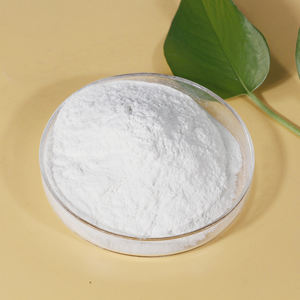
In this article, we’ll dive into seven unexpected, high-impact applications of concrete admixtures that are quietly transforming how we build—from homes with wood-look concrete siding to self-waterproofing foundations using crystalline technology.
2. Fiber-Reinforced Concrete Siding That Mimics Wood
One of the most visually striking niche uses of admixtures is in modern concrete siding for homes. Brands like Hardie and CertainTeed now offer fibercement siding that looks indistinguishable from real wood—but lasts decades longer. The secret? A blend of polypropylene fibres for concrete and steel fibers for concrete, combined with a plasticizer admixture to ensure smooth extrusion during manufacturing.
These concrete additives fiber not only prevent cracking but also allow thinner panel profiles. When paired with a surface retarder concrete treatment, manufacturers can imprint realistic wood grain textures. Homeowners searching for ‘concrete siding that looks like wood’ or ‘cement siding looks like wood’ are increasingly choosing these durable, low-maintenance alternatives—especially as concrete siding cost becomes more competitive with traditional timber.
- Polypropylene fibre improves impact resistance
- Steel fiber reinforced concrete adds tensile strength
- Plasticizer for concrete ensures workability during molding
3. Crystalline Waterproofing Admixtures for Basements and Tunnels
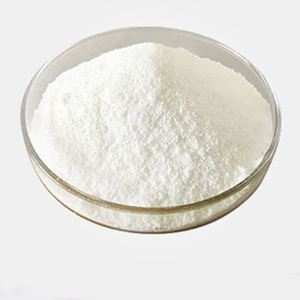
Forget external membranes—integral crystalline waterproofing admixture is changing how engineers approach below-grade structures. When added to the concrete mix, this cement waterproofing additive reacts with water and unhydrated cement particles to grow insoluble crystals that block capillaries and micro-cracks permanently.
Unlike topical sealers, a concrete waterproof admix works from within, making it ideal for tunnels, reservoirs, and parking garages. It’s a type of admixture waterproofing that’s gaining traction because it’s maintenance-free and lasts the life of the structure. Leading products often combine this with a superplasticizer in concrete to maintain flow without adding extra water—which could compromise the very porosity the system aims to eliminate.
4. Foamed Concrete with Protein-Based Foaming Agents
Lightweight yet insulating, foam concrete is surging in popularity for roof decks, void fills, and insulated wall panels. The magic lies in the foaming agent used in foam concrete—particularly protein-based foaming agents that create stable, uniform bubbles.
When mixed with a mid-range water reducer and a small dose of air entraining admixture, the resulting cellular concrete achieves densities as low as 300 kg/m³. Contractors using CLC (Cellular Lightweight Concrete) blocks rely on precise dosing of CLC foaming agent to balance strength and insulation. Recent advances even include homemade foaming agent for concrete blends, though commercial synthetic foaming agent for concrete remains the gold standard for consistency.
5. Ultra-High-Performance Concrete (UHPC) with Polycarboxylate Superplasticizers
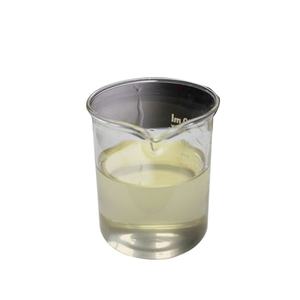
In bridge repairs and thin-shell architecture, UHPC demands extreme fluidity without segregation—enter polycarboxylate ether (PCE) superplasticizers. These superplasticizer admixtures reduce water content by up to 40%, enabling compressive strengths over 150 MPa.
What makes PCE-based superplasticizer the best admixture for concrete in these scenarios is its steric hindrance mechanism, which keeps particles dispersed far longer than older naphthalene or melamine-based types. Combined with microfibers and a concrete accelerator curing time reducer, UHPC can be cast into razor-thin elements that cure fast and resist corrosion—ideal for seismic retrofitting or sculptural facades.
6. Colored and Stamped Concrete with Integrated Release Agents
Stamped concrete isn’t just for driveways anymore. High-end retail spaces and luxury patios now feature charcoal stamped concrete, terra cotta concrete color, and even blue stamped concrete patterns—all made possible by advanced concrete release agents and color powders.
Modern powder release agent for concrete contains built-in pigments and anti-stick compounds, eliminating the need for separate staining steps. When paired with a water-based release agent spray, contractors achieve crisp pattern definition without residue. Crucially, a concrete water reducer is often added to the base mix to prevent bleed water from diluting the surface color—ensuring vibrant, long-lasting results.
7. Self-Consolidating Concrete (SCC) for Complex Precast Elements
Precast manufacturers building intricate facade panels or acoustic barriers rely on self-consolidating concrete—a mix so fluid it flows into every corner without vibration. Achieving this requires a delicate balance of admixture types: a high-range water reducer (often a PCE superplasticizer), a viscosity-modifying admixture, and sometimes a mild concrete retarder admixture to extend workability.
Air entraining is typically avoided here, as trapped air would ruin surface finishes. Instead, formulators use mineral admixture like fly ash or silica fume alongside super plasticizers to stabilize the paste. The result? Flawless, architecturally exposed precast pieces that would be impossible with conventional concrete.
8. Conclusion
From coconut fiber concrete to crystalline waterproofing admixture and PCE-powered UHPC, today’s admixtures are far more than simple additives—they’re enablers of innovation. Whether you’re selecting the best superplasticizer for concrete or exploring fiber for concrete mix options, understanding these niche applications helps builders push boundaries while maintaining performance. As sustainability and resilience drive construction forward, expect even more specialized concrete chemicals to emerge—proving that sometimes, the smallest ingredients make the biggest difference.
Our Website founded on October 17, 2012, is a high-tech enterprise committed to the research and development, production, processing, sales and technical services of ceramic relative materials such as 7. Our products includes but not limited to Boron Carbide Ceramic Products, Boron Nitride Ceramic Products, Silicon Carbide Ceramic Products, Silicon Nitride Ceramic Products, Zirconium Dioxide Ceramic Products, etc. If you are interested, please feel free to contact us.