Concrete-mesa | Concrete Admixtures, Tools, and Production Machines

Admixtures Are the Secret Sauce Behind High-Performance Concrete
1. Introduction
Ever wonder how skyscrapers stand tall or how bridges withstand decades of weather? The answer often lies not just in design—but in what’s mixed into the concrete itself. Enter admixtures: the unsung heroes of modern construction. These concrete additives fine-tune everything from pourability to longevity, making them essential for high-performance structures.
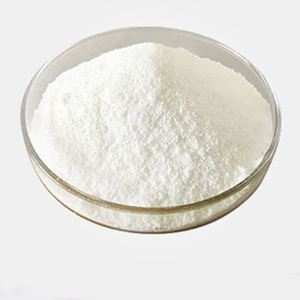
From speeding up curing times to adding water resistance or even mimicking wood grain on siding, admixtures do it all. Whether you’re a contractor, engineer, or DIY enthusiast, understanding admixtures can help you choose the best admixture for concrete for any project.
2. What Are Admixtures?
Admixtures (sometimes spelled ‘ad mixtures’) are chemical or mineral ingredients added to concrete during mixing to modify its properties. They’re used in small quantities but deliver big results. Also known as concrete chemicals or cement admixtures, they fall into two broad categories: chemical admixtures and mineral admixtures.
Chemical admixtures include liquids or powders like superplasticizers and accelerators, while mineral admixtures—such as fly ash or silica fume—are finely ground materials that improve long-term strength and reduce permeability.
3. Common Types of Concrete Admixture
Concrete admixture types serve different purposes. Here’s a quick breakdown of the most widely used categories:
- Water reducing admixtures (including mid-range and high-range water reducers) cut water content without sacrificing workability, boosting strength and durability.
- Superplasticizers (also called super plasticizers or polycarboxylate ether-based admixtures) are powerful water reducers that dramatically increase flow—ideal for self-consolidating concrete.
- Concrete accelerators shorten setting time and boost early strength, perfect for cold-weather pours or fast-track projects.
- Concrete retarders delay hardening, useful in hot climates or for complex placements where extra working time is needed.
- Air entraining admixtures introduce microscopic air bubbles, improving freeze-thaw resistance—critical in northern climates.
- Waterproofing admixtures (like integral waterproofer or crystalline waterproofing admixture) block moisture penetration, protecting basements and foundations.
- Fibers (polypropylene, steel, or even coconut fiber) add tensile strength and crack control, creating fiber reinforced concrete.
- Foaming agents produce lightweight cellular concrete (foamcrete), used in insulation and precast blocks.
4. Superplasticizers: The Game-Changer
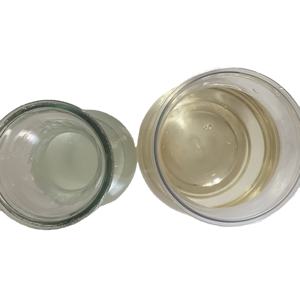
Superplasticizer in concrete is arguably the most transformative admixture today. Made from polycarboxylate ether (PCE), naphthalene, or melamine sulfonates, these superplasticizer admixtures allow for ultra-low water-cement ratios while maintaining fluidity.
The result? Stronger, denser, and more durable concrete. PCE-based superplasticizers are now preferred for their efficiency and compatibility with modern cements. Whether labeled as concrete water reducer or high-range water reducer, they’re key to achieving sleek architectural finishes or pumping concrete over long distances.
5. Performance Boosters: Accelerators, Retarders & Air Entrainers
Need concrete to cure fast? Accelerating admixtures for concrete—often calcium chloride-based or non-chloride alternatives—cut curing time significantly. This is crucial for emergency repairs or winter concreting.
On the flip side, a concrete retarder admixture gives crews breathing room on large pours. Surface retarder concrete products even allow decorative stamping by delaying surface set only.
Air entraining concrete uses air entraining agents to trap tiny, stable air pockets. This prevents cracking when water freezes inside the slab—making air entraining cement a must for driveways and roads in cold regions.
6. Waterproofing and Specialty Additives
Waterproof admix solutions like concrete waterproofing additive or cement waterproofing additive create barriers within the matrix itself. Crystalline waterproofing admixture reacts with water and unhydrated cement to form insoluble crystals that block pores permanently.
These admixture waterproofing systems outperform topical sealers because they’re integral—no peeling or reapplication needed. Look for terms like concrete waterproof admix or waterproofing admixture for concrete when sourcing materials.
7. Fiber Reinforcement: Beyond Steel Rebar
Fibers for concrete—whether polypropylene fibres for concrete, steel fibers for concrete, or carbon fiber reinforcement in concrete—add post-crack toughness and reduce shrinkage cracks.
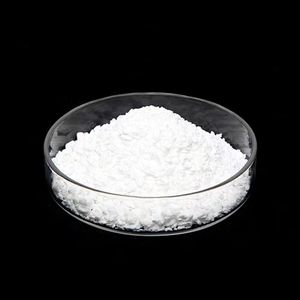
Fiber reinforced concrete is now standard in industrial floors, shotcrete, and even residential siding. Products like Hardie concrete siding or CertainTeed concrete siding use fiber cement technology for durability and wood-like aesthetics.
Macro fibers and microfibers serve different roles: macro for structural reinforcement, micro for early-age crack control. Coconut fiber reinforced concrete is even emerging as a sustainable option in some regions.
8. Aesthetic and Functional Enhancers
Want colored concrete? Powder concrete colorants and stamped concrete colors let you customize patios, walkways, and walls. Combine with a concrete release agent (spray or powder) to prevent sticking during stamping.
White cement opens doors for bright countertops or clean architectural elements. And for lightweight builds, CLC foaming agent or protein-based foaming agent creates aircrete with excellent insulation properties.
Even concrete siding cost and appearance can be optimized—modern concrete siding that looks like wood offers low maintenance and fire resistance without sacrificing curb appeal.
9. Choosing the Right Admixture
With so many options—from Chryso admixture brands to DIY-compatible formulas at Home Depot—it’s vital to match the admixture to your project’s needs. Ask:
- Is early strength critical? → Use a concrete accelerator.
- Pouring in summer heat? → Add a concrete retarder.
- Building in a wet climate? → Include a waterproofing admixture.
- Seeking flow without segregation? → Go for a polycarboxylate superplasticizer.
Always follow manufacturer guidelines and consider compatibility between multiple admixtures.
10. Conclusion
Admixtures aren’t just optional extras—they’re essential tools that shape how concrete performs, lasts, and looks. Whether you’re using a simple plasticizer for concrete or advanced fiberfor concrete mixes, these additives unlock possibilities that plain cement never could.
As construction demands grow smarter and greener, expect innovations in bio-based admixtures, self-healing formulas, and even smarter superplasticizers. One thing’s clear: the future of concrete is mixed with admixtures.
Our Website founded on October 17, 2012, is a high-tech enterprise committed to the research and development, production, processing, sales and technical services of ceramic relative materials such as Admixtures. Our products includes but not limited to Boron Carbide Ceramic Products, Boron Nitride Ceramic Products, Silicon Carbide Ceramic Products, Silicon Nitride Ceramic Products, Zirconium Dioxide Ceramic Products, etc. If you are interested, please feel free to contact us.