Concrete-mesa | Concrete Admixtures, Tools, and Production Machines

How to Choose and Use the Best Concrete Admixtures for Your Project
1. Introduction
Concrete is more than just cement, sand, and water—it’s a high-performance material that can be fine-tuned with the right admixtures. Whether you’re pouring a driveway, building a foundation, or crafting decorative stamped concrete, understanding how to use concrete admixtures effectively can make or break your project. In this guide, we’ll walk you through the most common types of admixtures, how to choose the best one for your job, and how to avoid costly mistakes.
2. Understanding Admixture Types
Not all admixtures are created equal. The right choice depends on your climate, project timeline, structural requirements, and desired finish. Let’s break down the major categories of concrete additives you’ll encounter.
2.1 Water-Reducing Admixtures
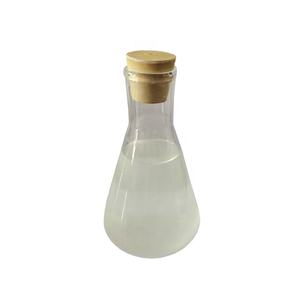
Water reducing admixtures—like superplasticizer in concrete—are essential for boosting workability without adding extra water. These include mid-range and high-range water reducers (HRWRs). Superplasticizers, especially polycarboxylate ether (PCE)-based types, can reduce water content by up to 40%, resulting in stronger, more durable concrete. Look for terms like ‘concrete water reducer,’ ‘superplasticizer admixture,’ or ‘polycarboxylate superplasticizer’ when shopping.
- Use superplasticizer for high-strength applications like precast elements or tall columns.
- Avoid overdosing—too much can cause segregation or rapid slump loss.
2.2 Accelerating and Retarding Admixtures
Need fast curing concrete additives? Concrete accelerators shorten setting time—ideal for cold weather pours or emergency repairs. On the flip side, a concrete retarder admixture delays hardening, giving you more time to place and finish in hot conditions. Surface retarder concrete is also used for exposed aggregate finishes.
- Common accelerating admixtures for concrete include calcium chloride (though it’s corrosive) or non-chloride alternatives.
- Always match the admixture retarder dosage to ambient temperature.
2.3 Air Entraining Admixtures
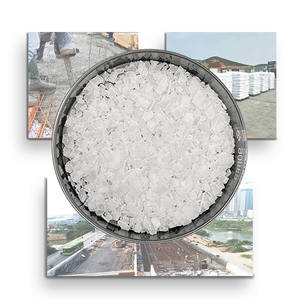
Air entraining concrete contains microscopic air bubbles that improve freeze-thaw resistance. An air entraining agent (or air entraining admixture) is critical in regions with harsh winters. Don’t confuse this with foaming agents used in lightweight foam concrete—those create larger, structural voids.
- Target 4–7% air content for exterior slabs in cold climates.
- Overuse can weaken compressive strength—test your mix!
2.4 Waterproofing Admixtures
For basements, tanks, or wet areas, consider a waterproofing admixture for concrete. Options include integral waterproofers, crystalline waterproofing admixtures, and cement waterproofing additives. These block capillary pores from within, unlike surface sealers.
- Crystalline admixtures react with moisture to grow crystals that self-seal cracks.
- Integral waterproofer works best when combined with proper curing.
2.5 Fiber Reinforcement
Fibers for concrete—like polypropylene fibres for concrete, steel fibers, or even coconut fiber reinforced concrete—add tensile strength and reduce cracking. Fiber reinforced concrete is great for slabs, overlays, and shotcrete. You’ll see products labeled as ‘fibermesh concrete,’ ‘macro fibers,’ or ‘pp fiber concrete.’
- Polypropylene fibre improves impact resistance and controls plastic shrinkage.
- Steel fiber reinforced concrete boosts post-crack performance in industrial floors.
3. Step-by-Step: How to Add Admixtures to Concrete
Adding admixtures isn’t just about dumping them in—precision matters. Follow these steps:
3.1 Read the Technical Data Sheet
Every admixture chemical comes with a bio data sheet (or technical data sheet). Check dosage rates, compatibility with other additives, and mixing instructions. Brands like Chryso admixture provide detailed guidelines online.
3.2 Measure Accurately
Use calibrated dispensers. For example, superplasticizer is typically dosed at 0.5–2% by weight of cement. Too little = no effect; too much = flash set or bleeding.
3.3 Add at the Right Time
- Water reducers and superplasticizers: Add during or just after water addition.
- Air entrainers: Mix thoroughly for full dispersion.
- Fibers: Add early to avoid balling; use a high-shear mixer if possible.
3.4 Test Before Full Pour
Always trial-batch your mix. Check slump, set time, and finishability. This is especially important when combining multiple admixture types—e.g., a superplasticizer with a concrete accelerator may interact unpredictably.
4. Common Problems and Fixes
Even pros run into issues. Here’s how to troubleshoot:
- Slump loss too fast? You may need a retarding superplasticizer or adjust dosage.
- Excessive air bubbles in non-air-entrained concrete? Check if your water reducer contains unintended air-entraining properties.
- Poor fiber dispersion? Switch to monofilament fibers or improve mixing time.
- Waterproofing not working? Ensure adequate curing—crystalline admixtures need moisture to activate.
5. Pro Tips for Choosing the Best Admixture for Concrete
- For colored or stamped concrete, use non-staining release agents and compatible plasticizers.
- In hot weather, combine a concrete retarder with a mid-range water reducer.
- When using white cement (great for countertops or decorative work), select admixtures that won’t discolor the mix.
- Buy from reputable suppliers—avoid ‘homemade foaming agent for concrete’ unless you’ve tested extensively.
6. Conclusion
Mastering concrete admixtures unlocks better performance, aesthetics, and longevity in every pour. From superplasticizers that boost strength to waterproof admixes that fend off moisture, the right additive transforms ordinary concrete into a tailored solution. Always prioritize compatibility, accurate dosing, and small-scale testing—and your next project will cure perfectly.
Our Website founded on October 17, 2012, is a high-tech enterprise committed to the research and development, production, processing, sales and technical services of ceramic relative materials such as How. Our products includes but not limited to Boron Carbide Ceramic Products, Boron Nitride Ceramic Products, Silicon Carbide Ceramic Products, Silicon Nitride Ceramic Products, Zirconium Dioxide Ceramic Products, etc. If you are interested, please feel free to contact us.