Concrete-mesa | Concrete Admixtures, Tools, and Production Machines

What Are the Best Types of Admixtures for Modern Concrete Projects?
1. Introduction
Concrete is far more than just cement, sand, and water. Today’s high-performance structures rely heavily on admixtures—specialized chemicals that fine-tune concrete’s behavior during mixing, pouring, curing, and long-term service. Whether you’re aiming for faster setting times, enhanced durability, or improved workability, the right concrete admixture can make all the difference.
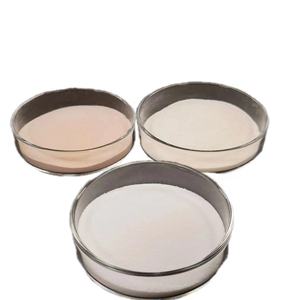
But with so many options—from superplasticizers to fiber reinforcement and waterproofing admixtures—how do you pick the best admixture for concrete? In this guide, we’ll break down the major admixture types, compare their performance, and highlight real-world applications to help you decide what works best for your project.
2. Superplasticizers: The Workability Game-Changer
Superplasticizers (also called high-range water reducers) are among the most widely used chemical admixtures in modern construction. They dramatically increase concrete flow without adding extra water, which preserves strength and durability.
2.1. Polycarboxylate Ether (PCE) vs. Naphthalene-Based Superplasticizers
Polycarboxylate ether (PCE) superplasticizers represent the latest generation. They offer superior slump retention, lower dosage requirements, and compatibility with diverse cement types. PCE-based superplasticizer admixtures are ideal for self-consolidating concrete and high-strength mixes.
In contrast, naphthalene-based superplasticizers (often labeled SNF) are older but still cost-effective. However, they tend to lose effectiveness faster over time and may cause more air entrainment unintentionally.
- PCE superplasticizers: Better flow control, eco-friendlier, higher cost
- Naphthalene superplasticizers: Economical, but shorter slump life and potential compatibility issues
2.2. Applications and Benefits
Superplasticizer in concrete enables thinner structural elements, complex formwork fills, and reduced cement usage—cutting costs and carbon footprint. They’re essential in precast, high-rise, and infrastructure projects where precision matters.
3. Setting Time Modifiers: Accelerators and Retarders
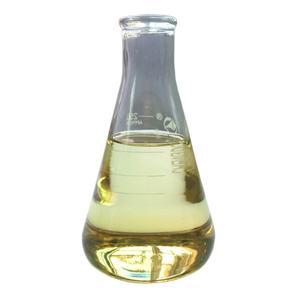
Concrete accelerator and concrete retarder admixtures give contractors control over curing speed—a critical factor in varying weather or scheduling demands.
3.1. Accelerating Admixtures for Concrete
Accelerators shorten initial set time and boost early strength—perfect for cold-weather pours or fast-track repairs. Fast curing concrete additives often contain calcium nitrate or chloride-free compounds to avoid corrosion risks.
3.2. Concrete Retarder Admixtures
Retarders delay hydration, useful in hot climates or for large pours where workability must last hours. Surface retarder concrete products even allow decorative stamping by keeping the surface soft while the bulk sets.
Choosing between them depends on ambient temperature, pour size, and finish requirements.
4. Air Entraining and Waterproofing Additives
Durability in freeze-thaw environments hinges on air entraining concrete technology. Air entraining admixtures introduce microscopic bubbles that act as pressure relief valves when water freezes.
4.1. Air Entraining Agents vs. Integral Waterproofers
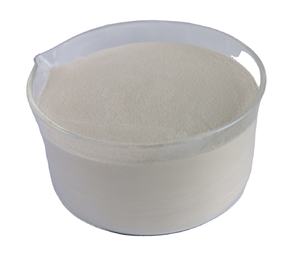
While air entraining improves resilience, it doesn’t stop water penetration. That’s where waterproofing admixture for concrete comes in. Crystalline waterproofing admixtures react with moisture to form insoluble crystals that block capillaries—ideal for basements and tanks.
Integral waterproofer types, including cement waterproofing additive systems, offer permanent protection without surface membranes. Unlike topical sealers, they won’t peel or wear off.
Note: Air entraining and waterproofing serve different purposes—don’t assume one replaces the other.
5. Fiber Reinforcement: Beyond Steel Rebar
Fiber reinforced concrete is gaining popularity for crack control, impact resistance, and simplified placement. Fibers range from polypropylene fibres for concrete to steel fibers for concrete and even experimental coconut fiber reinforced concrete.
5.1. Types of Fibers and Their Roles
- Polypropylene fibre (PP fiber concrete): Controls plastic shrinkage cracks; common in slabs and pavements
- Steel fiber reinforced concrete: Enhances post-crack load capacity; used in industrial floors and tunnels
- Macro fibers & microfibers: Macro fibers improve structural toughness; microfibers refine surface integrity
Unlike traditional rebar, fibers distribute uniformly, reducing labor and eliminating placement errors. Fibermesh concrete systems are now standard in residential driveways and commercial toppings.
6. Specialty Admixtures: Foaming Agents, Colorants, and Release Agents
Beyond performance, aesthetics and process efficiency matter too. Concrete foaming agent creates lightweight cellular concrete for insulation blocks. Protein-based and synthetic foaming agents each have trade-offs in stability and cost.
For decorative work, colored concrete relies on integral pigments or stamped concrete colors paired with concrete release agent sprays to prevent mold sticking. Powder release agents also add subtle color accents to stamped patterns.
White cement and white concrete mixes—often enhanced with superplasticizer for workability—are trending in countertops and architectural finishes due to their clean, modern look.
7. Choosing the Right Admixture: Key Considerations
The best admixture for concrete depends on:
- Environmental exposure (freeze-thaw, chlorides, moisture)
- Structural requirements (strength, ductility, crack resistance)
- Placement logistics (pump distance, form complexity, schedule)
- Sustainability goals (lower cement content, recycled materials)
Always consult technical data sheets and consider compatibility—especially when combining multiple concrete chemicals like a superplasticizer admixture with an accelerating admixtures for concrete.
8. Conclusion
From polycarboxylate superplasticizers that enable ultra-high-performance mixes to crystalline waterproofing admixtures that protect for decades, modern admixtures transform concrete from a basic building material into a smart, responsive system. Understanding admixture types—and how they interact—is key to durable, efficient, and innovative construction. Whether you’re using Chryso admixture solutions or DIY-compatible additives from Home Depot, choosing wisely ensures your concrete performs exactly as intended.
Our Website founded on October 17, 2012, is a high-tech enterprise committed to the research and development, production, processing, sales and technical services of ceramic relative materials such as What. Our products includes but not limited to Boron Carbide Ceramic Products, Boron Nitride Ceramic Products, Silicon Carbide Ceramic Products, Silicon Nitride Ceramic Products, Zirconium Dioxide Ceramic Products, etc. If you are interested, please feel free to contact us.