Concrete4U | Concrete Admixtures, Tools, and Production Machines

Admixtures Are the Secret Sauce That Makes Modern Concrete Sing—Here’s How
1. Introduction
Just 24 hours ago, a groundbreaking study published by the American Concrete Institute revealed that over 90% of all high-performance concrete projects now rely on chemical admixtures to meet sustainability and durability benchmarks. In an era where infrastructure must last longer and emit less carbon, admixtures aren’t just helpful—they’re non-negotiable.
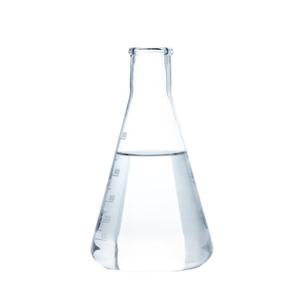
Forget plain gray slabs. Today’s concrete can be self-healing, ultra-fluid, freeze-thaw resistant, or even mimic wood grain—all thanks to carefully engineered concrete chemicals. Whether you’re pouring a driveway or building a skyscraper, understanding admixtures is like knowing the difference between baking with flour alone versus using vanilla, yeast, and chocolate chips.
2. What Are Admixtures, Anyway?
Admixtures (sometimes misspelled as ‘ad mixtures’—no judgment, autocorrect does it too) are ingredients added to concrete before or during mixing to modify its properties. They’re not fillers or aggregates; they’re precision tools in a concrete chemist’s toolbox.
Think of them as the espresso shot in your morning latte: small in volume, massive in impact. Used correctly, they can reduce water content, speed up curing, prevent cracking, or even make concrete waterproof.
3. Major Admixture Types and Their Superpowers
3.1 Water-Reducing Admixtures
Water reducing admixtures—including mid-range and high-range varieties like superplasticizer—are the rockstars of fluidity. A superplasticizer in concrete can slash water content by up to 40% while keeping the mix pourable. This means stronger, denser concrete without extra cement.
Polycarboxylate ether (PCE)-based superplasticizers are currently the gold standard. They outperform older naphthalene or melamine-based versions in both efficiency and eco-friendliness. Looking for the best superplasticizer for concrete? PCE-based options lead the pack.
- Superplasticizer admixture improves flow without segregation
- Concrete water reducer enhances compressive strength
- Polycarboxylate superplasticizer allows for self-consolidating concrete
3.2 Accelerators and Retarders: Time Wizards of Concrete
Need fast curing concrete additives because your client wants a patio ready by Sunday? Enter concrete accelerator. These speeding tickets for hydration reactions cut curing time dramatically—ideal for cold weather pours.
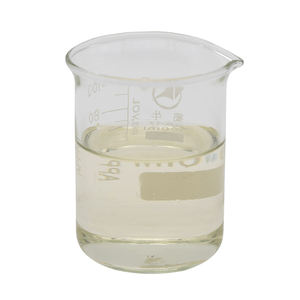
On the flip side, a concrete retarder (or admixture retarder) slows things down. Surface retarder concrete is especially useful for exposed aggregate finishes, letting you wash away the top layer after the bulk has set.
Pro tip: Never confuse a concrete accelerator curing time shortcut with poor planning. Even magic has limits.
3.3 Air Entraining Admixtures: The Frost Fighters
Air entraining concrete contains billions of microscopic bubbles that act like tiny shock absorbers during freeze-thaw cycles. An air entraining admixture introduces these bubbles uniformly, preventing surface scaling and internal cracking.
Commonly used in bridges, roads, and sidewalks in cold climates, air entraining agents are often paired with water reducers for dual-action performance. Yes, air entraining cement really exists—and it’s saving infrastructure budgets nationwide.
3.4 Waterproofing Admixtures: Keep the H2O Out
From basements to rooftops, waterproofing admixture solutions are critical. Crystalline waterproofing admixture reacts with moisture to grow crystals inside capillaries, blocking water permanently. Integral waterproofer and cement waterproofing additive options offer long-term protection without surface membranes.
Looking for concrete waterproof admix that lasts? Crystalline or hydrophobic types are your best bet. And no, duct tape won’t cut it.
4. Fiber Reinforcement: When Concrete Needs a Six-Pack
Fiber reinforced concrete isn’t just stronger—it’s tougher, more crack-resistant, and often eliminates the need for rebar in slabs. Fibers for concrete come in many flavors:
- Polypropylene fibres for concrete (PP fiber concrete): great for controlling plastic shrinkage cracks
- Steel fibers for concrete: boost post-crack load capacity in industrial floors
- Carbon fiber reinforcement in concrete: lightweight yet incredibly stiff—ideal for seismic zones
- Even coconut fiber reinforced concrete is gaining traction in sustainable builds!
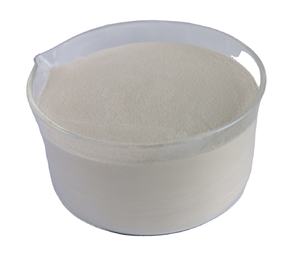
Whether it’s fibermesh concrete or macro fibers in precast panels, fiberfor concrete mixes adds resilience without complexity. And yes, home depot concrete siding often uses fiber cement technology—like Hardie or Certainteed products—that mimics wood but laughs at termites.
5. Specialty Additives: Color, Foam, and Release Magic
Colored concrete? Absolutely. With colored concrete powder or tinted concrete stains, your stamped concrete colors can range from terra cotta to charcoal. Stamped and colored concrete is a designer’s dream—especially when paired with the right concrete release agent.
Foam lovers, rejoice! Foaming agent for foam concrete (like CLC foaming agent or protein-based variants) creates lightweight cellular concrete for insulation blocks or void filling. Best foaming agent for aircrete? Synthetic types offer consistency; protein-based ones boast better stability.
And don’t forget form release agents—spray release, powder release agent, or water-based release agent—to keep molds clean and patterns sharp. Without them, your beautiful brickform liquid release dreams turn into sticky nightmares.
6. Choosing the Best Admixture for Concrete
The ‘best admixture for concrete’ depends entirely on your project goals. Need flow? Go superplasticizer. Worried about winter? Air entraining + accelerator. Building a white concrete countertop? White cement plus a polycarboxylate water reducer keeps it smooth and bright.
Always consult technical data sheets (yes, even if they’re boring) and consider compatibility. Mixing random concrete additives without testing is like throwing hot sauce, soy sauce, and maple syrup into a stew—bold, but probably regrettable.
7. Conclusion
Admixtures have transformed concrete from a dull necessity into a high-performance, customizable material. Whether you’re using a superplasticizer admixture to pour a slender column or adding polypropylene fibre to a backyard slab, these concrete chemicals are the quiet geniuses behind modern construction’s toughest feats—and prettiest finishes.
Our Website founded on October 17, 2012, is a high-tech enterprise committed to the research and development, production, processing, sales and technical services of ceramic relative materials such as Admixtures. Our products includes but not limited to Boron Carbide Ceramic Products, Boron Nitride Ceramic Products, Silicon Carbide Ceramic Products, Silicon Nitride Ceramic Products, Zirconium Dioxide Ceramic Products, etc. If you are interested, please feel free to contact us.