Concrete4U | Concrete Admixtures, Tools, and Production Machines

A Veteran’s Guide: How to Use a Foam Generator for Reliable Lightweight Concrete
I remember my first attempt at foamed concrete like it was yesterday. I was on a residential retrofit, tasked with creating a lightweight fill over an old, suspect slab. The client was worried about load. I mixed the foam, poured it into the batch, and watched in mild horror as the entire mixture deflated like a sad balloon in the mixer. The crew looked at me, I looked at the grey soup, and we all knew we were losing a day. That failure, frustrating as it was, taught me more than any manual ever could. It’s a story I hear echoed in online forums-folks on Reddit or contractor groups often post pictures of collapsed foam or crumbly blocks, asking ‘What did I do wrong?’ The answer usually isn’t in a single mistake, but in missing the rhythm of the entire process. Let’s walk through that process together, step by step, so you can avoid that sinking feeling and create lightweight concrete that’s both light and strong.
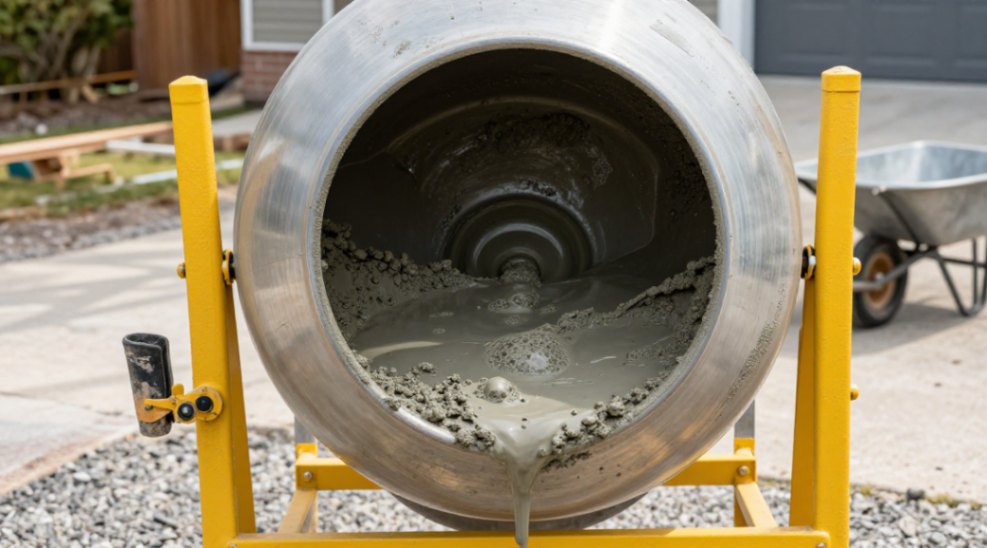
Gathering Your Tools and Understanding the Goal
Before you even think about starting the foam generator, you need to know why you’re using it. The foam is your density control. It introduces millions of tiny, stable air bubbles into the concrete matrix, displacing the heavier sand and stone. Your goal isn’t just to make it light; it’s to make it consistently light with a closed-cell structure that retains strength. For that, you need the right gear. You’ll need a reliable foam generator-this is your core tool. Don’t skimp here. You also need a dedicated air compressor that can deliver clean, dry, and oil-free air at the required pressure and volume. The foaming agent itself is critical; use a quality, synthetic-based agent designed for concrete, not a dish soap. Finally, have your mixing equipment ready, whether it’s a ready-mix truck, a volumetric mixer, or a steady drum mixer. The base concrete mix is your other half of the equation-typically a sand-cement slurry or a fine mortar. Get this foundation wrong, and the best foam in the world won’t save you.
The Heart of the Operation: Running Your Foam Generator
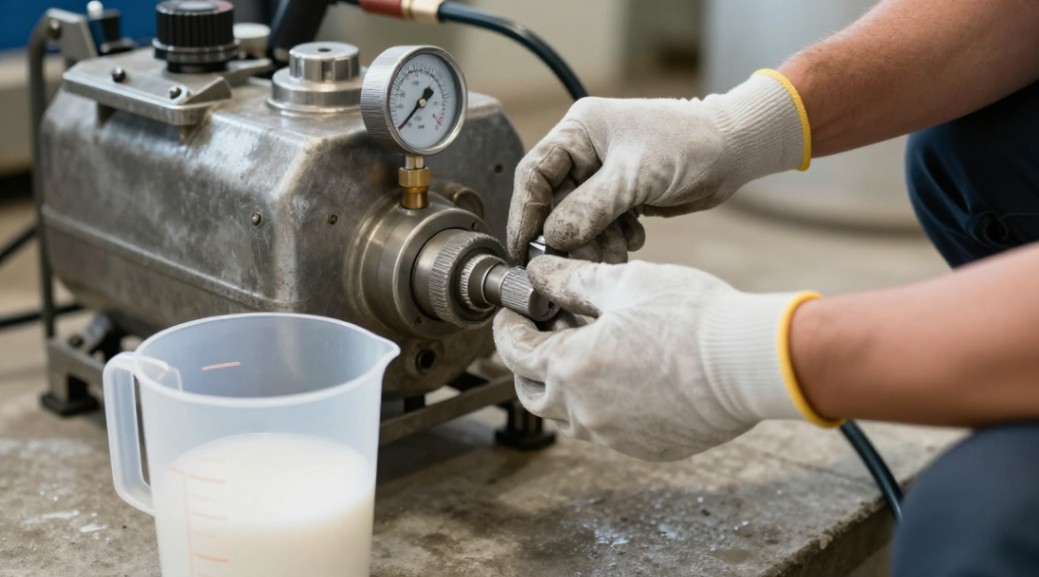
This is where hands-on experience pays off. First, you must calibrate. This isn’t optional. Mix your foaming agent with water at the precise dilution ratio recommended by the manufacturer. This dilution is your ‘foam solution.’ Fill the generator’s tank with it. Now, connect your clean air supply. Turn on the compressor and let pressure build. Adjust the air pressure and solution flow controls on your generator. You’re aiming for a foam with a specific density, often called the ‘wet density.’ To test it, fill a known-volume container-a one-litre jug works perfectly-with foam straight from the nozzle. Weigh it. If your foam weighs, say, 60 grams per liter, you have a 60 kg/m³ wet density. Write this number down. Consistency here is everything. The foam should be stiff, like shaving cream, and the bubbles should not coalesce or drain water quickly. This stable foam is what you’ll inject.
Mixing, Pouring, and Finding the Rhythm
Now, the dance begins. Start mixing your base concrete. It should be fluid but cohesive. Once it’s uniform, begin injecting the foam. Do this steadily. You don’t dump it in; you fold it in. The mixer should be turning at a moderate speed-too fast will shear and destroy the foam, too slow won’t incorporate it. Watch the volume expand. This is the most satisfying part. You are literally watching the concrete become lighter. How much foam? That’s dictated by your target density. You calculate this based on your project needs. Want a 1000 kg/m³ dry density? You’ll need to account for water loss and design your batch accordingly. For pouring, you cannot vibrate foamed concrete. You pour it, and it will self-level beautifully if the consistency is right. Use a straightedge or a lightweight screed to gently strike it off. It will not behave like traditional concrete, and that’s okay. It’s supposed to be different.
Steering Clear of Trouble and Finishing Strong
Let’s talk about the common pitfalls, the ones that generate those worried forum posts. If your foam collapses in the mixer, the base mix was likely too harsh or acidic, or you used a substandard foaming agent. If the density varies throughout the pour, your foam injection was inconsistent or the mixing time was insufficient. Always perform a fresh wet density check on the foam at the start of each batch and halfway through. Curing is non-negotiable. Because lightweight concrete has a more open structure, it loses moisture faster. You must cure it meticulously-keep it moist with wet burlap or a curing compound for at least seven days. This isn’t a suggestion; it’s what ensures the cement hydrates fully and gains its strength. As for applications, think about where weight is the enemy: roof screeds, void fills, trench reinstatements, lightweight blocks, and architectural elements. The beauty of mastering how to use a foam generator for lightweight concrete is the control it gives you. You become the architect of density. So take your time, calibrate carefully, mix with patience, and cure with diligence. The material will reward you.
Supplier
We are the global leader in lightweight concrete and advanced engineered foam solutions. Known globally for its commitment to research, innovation, and applied expertise, we have been providing engineered foam solutions since the early 2012’s.
We can supply high-quality concrete admixture and foam concrete related products all over the world.
The company has a professional technical department and quality supervision department, a well-equipped laboratory, and equipped with advanced testing equipment and after-sales customer service center.
If you are interested, please feel free and contact us.