Concrete4U | Concrete Admixtures, Tools, and Production Machines

Warning: 5 Common Mistakes to Avoid with Vinyl Acetate Veova Redispersible Powder
A Sticky Situation: My First Failed Mortar
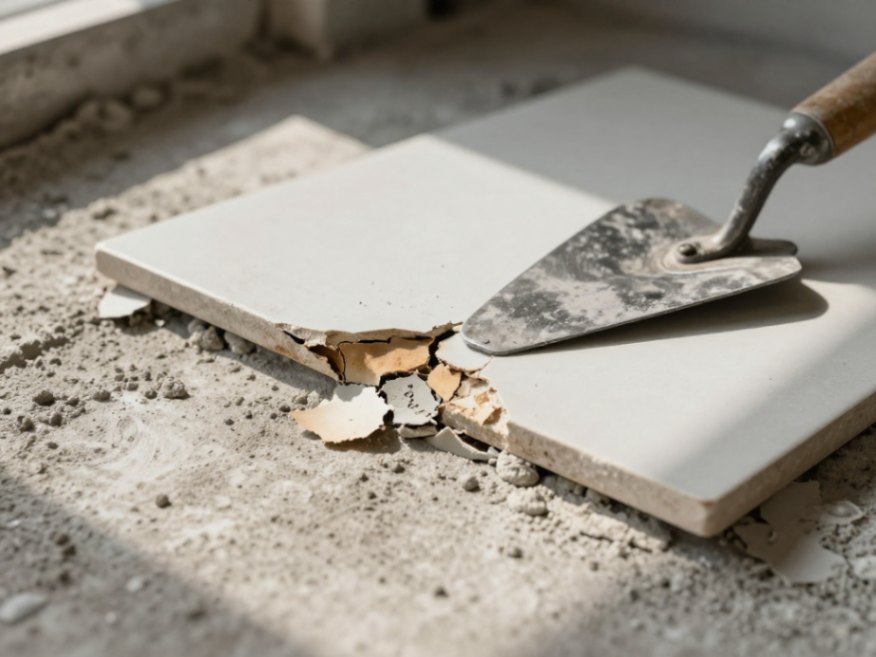
Twenty years ago, I stood on a scaffold, watching the thin-bed adhesive I had specified peel away like sunburnt skin. The tiles were falling. The client was furious. My confidence was shattered. The culprit? A generic polymer powder that couldn’t handle the substrate movement and moisture. That failure taught me a brutal lesson: not all redispersible powders are equal. Today, I see others heading toward the same cliff edge with vinyl acetate veova redispersible polymer powder. They treat it like a commodity. They make assumptions. And they set themselves up for expensive, embarrassing failures. Let’s make sure that’s not you.
The Veova Advantage: What You’re Actually Working With
Vinyl acetate veova (VAVeova) redispersible polymer powder is not a simple glue. Think of it as a sophisticated, pre-packaged film former. The core is a copolymer where vinyl acetate provides strong adhesion and the Veova monomer (a vinyl ester of versatile acids) brings the game-changing benefits: superior hydrophobic character and internal plasticization. This combination is the key to its performance. When you mix it into water, the powder redisperses into tiny polymer particles. As the mortar cures and dries, these particles coalesce into a continuous, flexible, and water-resistant film within the cement matrix. This film bridges cracks, binds aggregates, and dramatically upgrades the final product’s performance. Ignoring this fundamental behavior is your first mistake.
Warning: The 5 Costly Mistakes with VAVeova Powder
Based on decades of lab and field troubleshooting, these are the errors that cause 90% of the problems. Heed these warnings.
1. Treating It Like a Standard VAE Powder
This is the cardinal sin. Standard Vinyl Acetate Ethylene (VAE) powders are common. VAVeova is a specialist. Using them interchangeably guarantees subpar results. The Veova monomer fundamentally alters the polymer’s properties.
| Property | Standard VAE Powder | Vinyl Acetate Veova Powder |
|---|---|---|
| Water Resistance | Moderate. Can re-emulsify. | Excellent. Highly hydrophobic film. |
| Flexibility at Low Temp | Good, but can become brittle. | Outstanding. Remains flexible. |
| Primary Application Fit | General-purpose interior mortars. | Demanding exterior applications (EIFS, tile facades). |
Mistake: Using VAVeova in a simple interior grout is overkill. Using a standard VAE in an exterior insulation system is a recipe for disaster.
2. Ignoring the Mixing Sequence & Shear
You cannot just dump everything into the mixer. High-shear mixing after the powder addition will destroy the protective colloid system. This leads to premature coagulation, lump formation, and a complete loss of redispersion capability. Your mortar will have poor workability and weak strength.
Correct Protocol: First, mix all dry components (cement, sand, fillers) thoroughly. Then, add the water. Finally, under low to medium shear, sprinkle in the vinyl acetate veova redispersible polymer powder. This gentle incorporation protects the particles and ensures a smooth, homogenous paste.
3. Compromising on Powder Storage
This powder is hygroscopic. It craves moisture. Leaving a bag open on a humid jobsite for a few hours can ruin it. The powder will absorb water, partially coalesce, and form hard, unusable agglomerates.
Always store bags in a cool, dry place on pallets. Keep them sealed until use. Use entire bags quickly. Never return partially used material to storage. This simple discipline protects your investment.
4. Over-relying on Polymer, Under-dosing Cement
More polymer is not always better. VAVeowa powder enhances the cementitious matrix; it does not replace it. Slashing cement content to save money while adding polymer creates a weak, rubbery mess with no long-term structural integrity. The polymer film needs a strong, rigid skeleton to reinforce. Follow the formulation guidelines. The polymer-to-cement ratio is a critical balance for optimal flexibility, adhesion, and compressive strength.
5. Assuming Instant Full Performance
The polymer film forms as water leaves the system. In cold or highly humid conditions, this process slows down. Applying load (e.g., foot traffic on a self-leveling compound) or exposing the mortar to rain before the film has fully formed will cause permanent damage. You must respect the curing time. The enhanced properties of vinyl acetate veova redispersible polymer powder develop fully only after the mortar has properly dried and cured.
Your Path to Success: A Practical Formulation Mindset
Avoiding mistakes is half the battle. The other half is proactive, intelligent formulation. Think of VAVeova powder as your key ingredient for demanding environments.
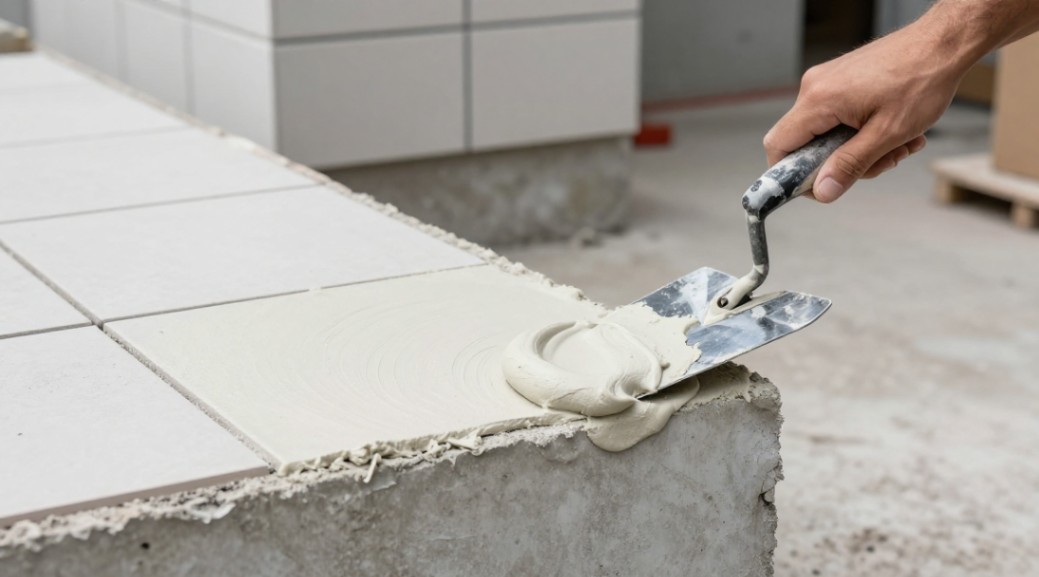
For exterior tile adhesives on flexible substrates, it provides the crack-bridging and water resistance you need. In Exterior Insulation and Finish Systems (EIFS), it is indispensable for the reinforcing and base coats, ensuring durability against thermal cycling and driving rain. For flexible waterproofing slurries, it creates a seamless, elastic membrane. The goal is to match the powder’s innate strengths-hydrophobicity, flexibility, adhesion-to the application’s specific stresses. A well-formulated mortar using this polymer doesn’t just stick things together; it creates a durable, integrated composite system.
Next Steps: Move Forward with Confidence
You now know the pitfalls. You understand the power of the Veova chemistry. The next step is to translate this knowledge into a reliable, high-performance product. Start with a small, controlled laboratory batch. Test the fresh properties (workability, open time) and the hardened properties (adhesion, flexibility, water immersion resistance). Compare it to your old formulation. The difference in performance, especially under wet or cold conditions, will be clear. This testing phase is where you truly become the expert, tailoring the vinyl acetate veova redispersible polymer powder to solve your specific material challenge. Don’t guess. Test. Your next project’s success depends on it.
Supplier
We are the global leader in lightweight concrete and advanced engineered foam solutions. Known globally for its commitment to research, innovation, and applied expertise, we have been providing engineered foam solutions since the early 2012’s.
We can supply high-quality concrete admixture and foam concrete related products all over the world.
The company has a professional technical department and quality supervision department, a well-equipped laboratory, and equipped with advanced testing equipment and after-sales customer service center.
If you are interested, please feel free and contact us.