Concrete4U | Concrete Admixtures, Tools, and Production Machines

What is a High Efficiency Defoamer for Mortar? Your Guide to Solving Foam Problems
Is Your Mortar Full of Bubbles? Here’s Your Solution
Have you ever poured a batch of mortar, only to find the finished surface riddled with pinholes and weak spots? Does your mix trap stubborn foam that refuses to dissipate, robbing you of density and strength? If this sounds familiar, you’re not alone. Trapped air is a silent thief in construction, compromising quality and wasting material. This is where a high efficiency defoamer for mortar applications becomes essential. Let’s break down exactly what it is and how it solves your most frustrating problems.
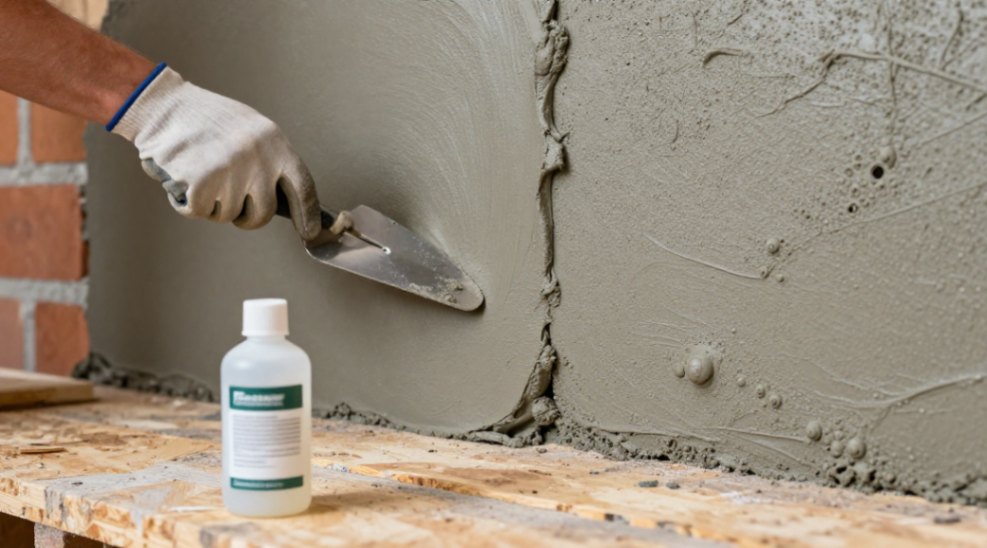
1. What a High Efficiency Defoamer Is (And What It Does)
At its core, a high efficiency defoamer is a specialized chemical additive designed to eliminate unwanted air bubbles in wet mortar. Unlike simple stirring, which can introduce more air, a defoamer actively breaks down existing foam and prevents new bubbles from forming. Think of it as a highly skilled troubleshooter for your mix.
The primary goal is twofold:
- Knockdown: Rapidly destroys foam already present in the mixture during mixing.
- Persistent Control: Provides long-lasting antifoaming action throughout pumping, transporting, and placing to prevent re-foaming.
1.1 The Pain Points It Solves: Why You Need One
Why does foam matter so much? Uncontrolled air causes a cascade of issues that directly hit your project’s bottom line and quality.
- Crumbling Strength: Every air bubble is a void. More voids mean lower compressive and flexural strength. Your structure isn’t as robust as your mix design promised.
- Poor Surface Finish: Pinholes, craters, and a honeycombed texture appear after formwork removal. This requires costly surface repairs and patching.
- Inconsistent Density: Foam lightens the mortar unevenly. This leads to weak planes and unpredictable performance.
- Material Waste: Excess air increases the volume of your mix without adding solid material. You effectively pay for air, not cement or sand.
- Pumping Problems: Air-entrained mixes can be compressible, causing erratic flow and potential blockages in pump lines.
Users on construction forums often share these frustrations. One contractor noted, “We were battling surface pinholes on every tilt-up panel. Re-dos were killing our schedule. Once we dialed in the right defoamer, the finish was smooth straight from the form. It was a night-and-day difference.”
2. How It Works: The Science of Breaking Bubbles
Modern high efficiency defoamers aren’t just oils; they are engineered systems. Most are based on hydrophobic silicone oils or specialized polymers dispersed in a carrier fluid.
Here is the simplified working mechanism:
- Dispersion: The defoamer is evenly distributed throughout the mortar slurry.
- Penetration: Its hydrophobic particles migrate to the air-water interfaces of the foam bubbles.
- Spreading: The defoamer spreads rapidly over the bubble film, creating an area of extreme surface tension imbalance.
- Rupture: This imbalance destabilizes the bubble wall, causing it to thin rapidly and collapse.
- Prevention: Remaining defoamer particles stay active, preventing surfactants in cement or other admixtures from stabilizing new foam.
3. Key Performance Metrics to Look For
Not all defoamers are equal. When selecting a high efficiency defoamer for mortar applications, you must evaluate these critical metrics.
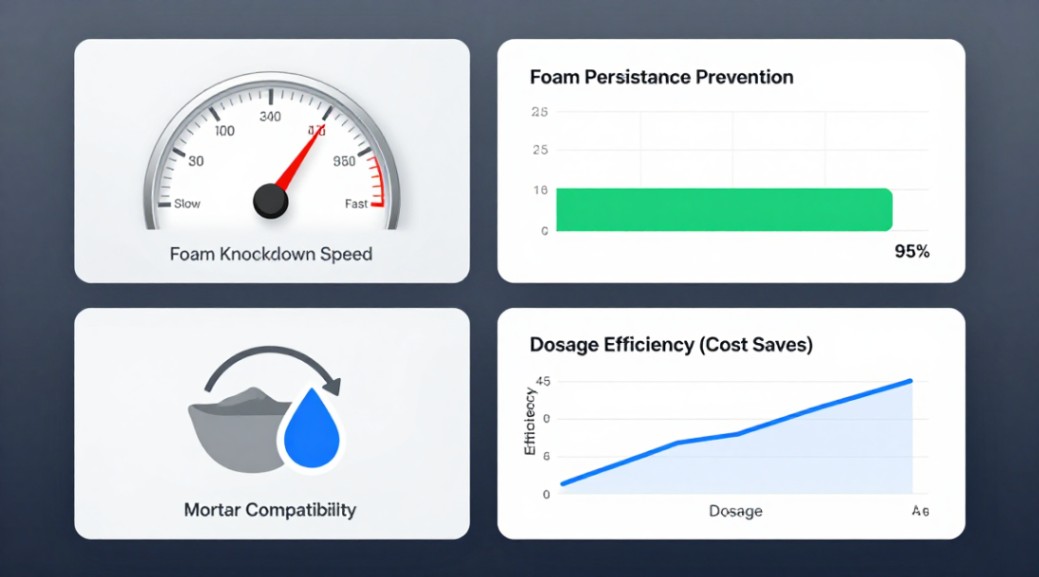
| Metric | What It Means | Why It Matters |
|---|---|---|
| Knockdown Speed | How quickly visible foam collapses after addition. | Fast action saves mixing time and ensures a homogenous batch. |
| Persistent Control | Ability to suppress foam over time (e.g., during a 90-minute workability window). | Prevents foam from re-forming during transport and placement, crucial for pumped applications. |
| Compatibility | Works without negative interaction with superplasticizers, retarders, air-entraining agents, etc. | Prevents segregation, loss of workability, or strength issues. A non-compatible defoamer can make problems worse. |
| Impact on Strength | The measurable increase in compressive strength (e.g., 7-day and 28-day). | Directly correlates to achieving design strength with potential for cement optimization. |
| Effect on Density | Increase in hardened density by reducing air content. | More material in the same volume means better durability and surface quality. |
4. How to Use It: Dosage and Incorporation Best Practices
Correct use is as important as the product itself. Improper addition can reduce effectiveness.
4.1 Finding the Right Dosage
Dosage is typically a small percentage of the cementitious material weight, often between 0.05% and 0.2%. Start with the manufacturer’s recommendation and conduct trial batches.
- Base Guideline: Begin at 0.1% by weight of cement.
- Adjust For: High surfactant admixtures (some superplasticizers) may require a slightly higher dose. Very sandy mixes may need less.
- Key Rule: More is not better. Overdosing can sometimes lead to surface blemishes or affect workability.
4.2 Method of Incorporation
For maximum effectiveness, follow this sequence:
- Add roughly 80% of your mixing water to the mixer.
- Introduce the high efficiency defoamer directly into this water stream. This ensures prime dispersion.
- Add your aggregates and cementitious materials.
- Add remaining water and other chemical admixtures (like superplasticizers).
- Mix for the full, specified time to achieve complete homogeneity.
5. Selecting the Right Defoamer for Your Project
Your specific application dictates the ideal product profile. Use this guide to narrow your choice.
- For Pumped Mortar/Shotcrete: Prioritize persistent, long-lasting foam control and excellent compatibility with superplasticizers. Re-foaming during pumping is a major risk.
- For High-Strength/Precast Mortar: Focus on maximum strength enhancement and density improvement. Look for defoamers with a proven track record of low air void content.
- For Self-Leveling/Screed Mortars: Seek defoamers that ensure a perfectly smooth, void-free surface finish without affecting flow characteristics.
- For Tile Adhesives/Grouts: Opt for defoamers with strong compatibility with cellulose ethers and redispersible polymers common in these mixes.
6. The Tangible Benefits: More Than Just No Bubbles
The right defoamer delivers a clear return on investment. Here’s what you gain:
- Guaranteed Strength: Achieve consistent, design-strength results batch after batch.
- Superior Surface Quality: Eliminate pinholes and blemishes, reducing or eliminating costly surface finishing labor.
- Material Savings: Reduce cement content in some mix designs while maintaining strength, as you’re no longer designing around uncontrolled air.
- Improved Workability: A denser, more cohesive mortar often handles and finishes better.
- Reliable Pumpability: Stable, predictable flow through lines without air-related hiccups.
7. Looking Ahead: The Future of Defoamer Technology
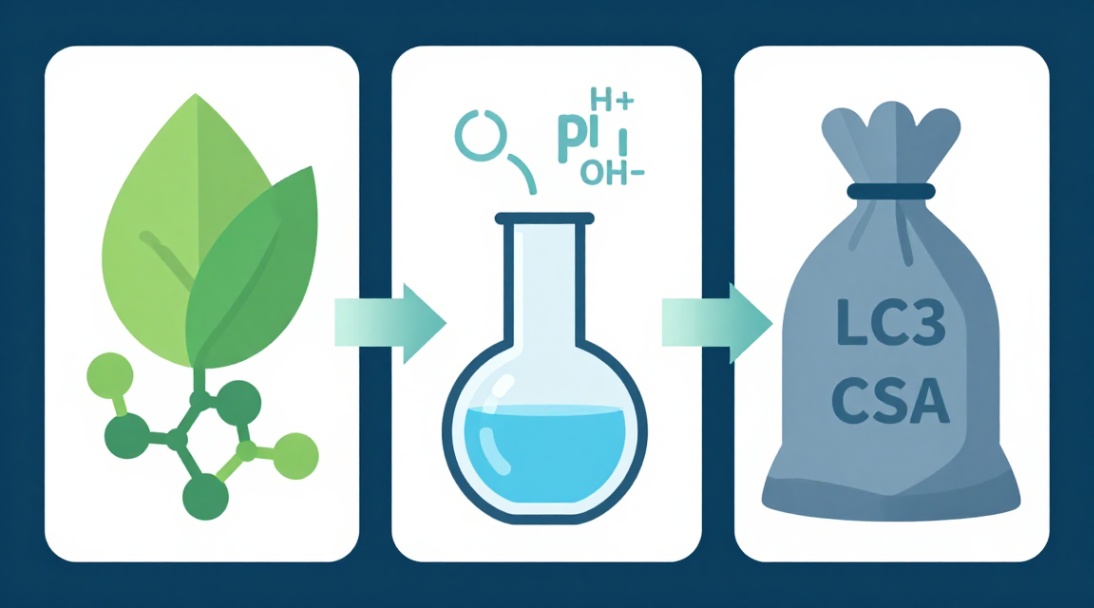
Innovation continues. The next generation of high efficiency defoamers for mortar applications focuses on sustainability and smarter functionality. Expect developments in bio-based or renewable raw materials, defoamers that respond to pH or shear during mixing, and even more targeted formulations for novel cement blends like LC3 or calcium sulfoaluminate cements. The goal remains the same: giving you absolute control over the air in your mix.
Your next step is straightforward. Review your recent projects for signs of foam-related issues. Source a few technically-backed defoamer samples from reputable suppliers. Then, run side-by-side trial batches. Test for air content, workability, and cast small cubes or panels to cheque the finish. The proof, as they say, is in the pudding-or in this case, the perfect, dense, strong mortar. You have the knowledge. Now go and apply it.
Supplier
We are the global leader in lightweight concrete and advanced engineered foam solutions. Known globally for its commitment to research, innovation, and applied expertise, we have been providing engineered foam solutions since the early 2012’s.
We can supply high-quality concrete admixture and foam concrete related products all over the world.
The company has a professional technical department and quality supervision department, a well-equipped laboratory, and equipped with advanced testing equipment and after-sales customer service center.
If you are interested, please feel free and contact us.