Concrete4U | Concrete Admixtures, Tools, and Production Machines

Special Cement for High Temperature Resistance: A Definitive Guide to Selection and Application
What is High-Temperature Resistant Cement?
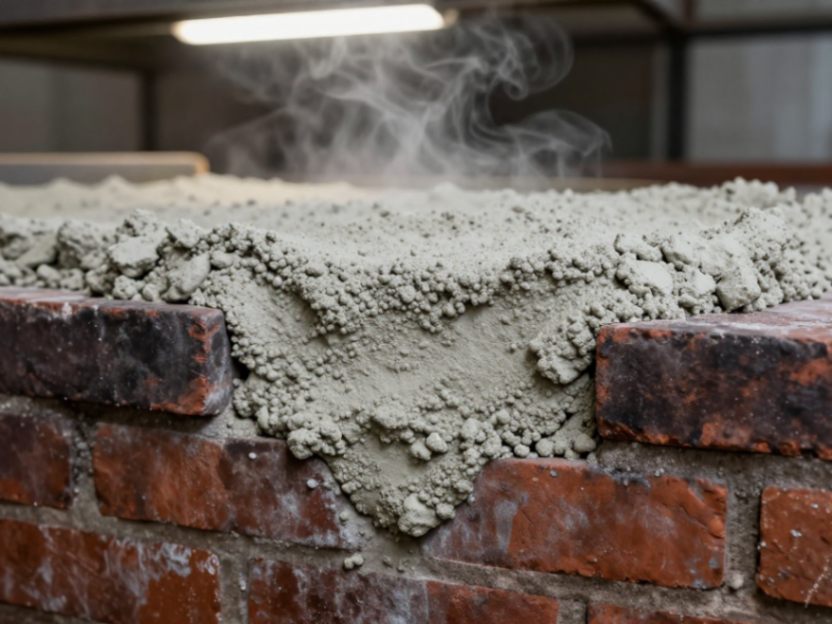
High-temperature resistant cement, often called refractory cement, is a specialized binder designed to maintain structural integrity and insulating properties when exposed to continuous heat exceeding 540°C (1000°F). Ordinary Portland cement dehydrates and disintegrates rapidly under such conditions. Special cement for high temperature resistance is engineered for thermal stability.
Key Compositions and How They Work
The performance stems from its chemistry. Primary formulations include calcium aluminate cement (CAC) and phosphate-bonded cements.
- Calcium Aluminate Cement (CAC): The workhorse for temperatures up to 1600°C. It forms stable ceramic bonds as it heats.
- Phosphate-Bonded Cements: Use aluminum phosphate reactions. They offer superior adhesion to existing refractory materials and rapid strength development.
- Aggregates: These cements are mixed with refractory aggregates like calcined fire clay, alumina, or silicon carbide, which provide the bulk thermal resistance.
How to Choose the Right High-Temperature Cement
Selecting the wrong product guarantees failure. Follow this process.
Step 1: Define Your Maximum Service Temperature
Determine the continuous operating temperature and any peak thermal shock events. Products are graded: Intermediate Duty (up to 1100°C), High Duty (up to 1500°C), and Super Duty (1650°C+). Misjudging this parameter is the most common error.
Step 2: Match the Cement to the Application Environment
Consider chemical exposure and physical stress.
- Furnace Linings & Kilns: Use CAC-based castables with appropriate aggregates. They resist cyclical heating.
- Boiler & Incinerator Patches: Phosphate-bonded air-setting mortars are ideal. They bond well to old brickwork and cure without heat.
- Fireplaces & Chimneys: Pre-mixed, mid-duty refractory mortars suffice. Ensure they are rated for direct flame contact.
Step 3: Verify Physical Properties
Cheque the product data sheet for Cold Crushing Strength (CCS) and Linear Change on Reheating. A high-quality castable should maintain a CCS over 40 MPa after firing. Linear change should be minimal (<2%) to prevent cracking.
How to Install High-Temperature Cement: A Step-by-Step Guide
Proper installation is non-negotiable. Incorrect mixing or curing creates fatal weak points.
Step 1: Surface Preparation
The substrate must be clean, sound, and dry. Remove all dust, loose material, and existing failed cement. For repairs, undercut edges to create a mechanical key. Lightly dampen ceramic fiber or brick surfaces before application to prevent premature moisture loss from the cement mix.
Step 2: Precise Mixing
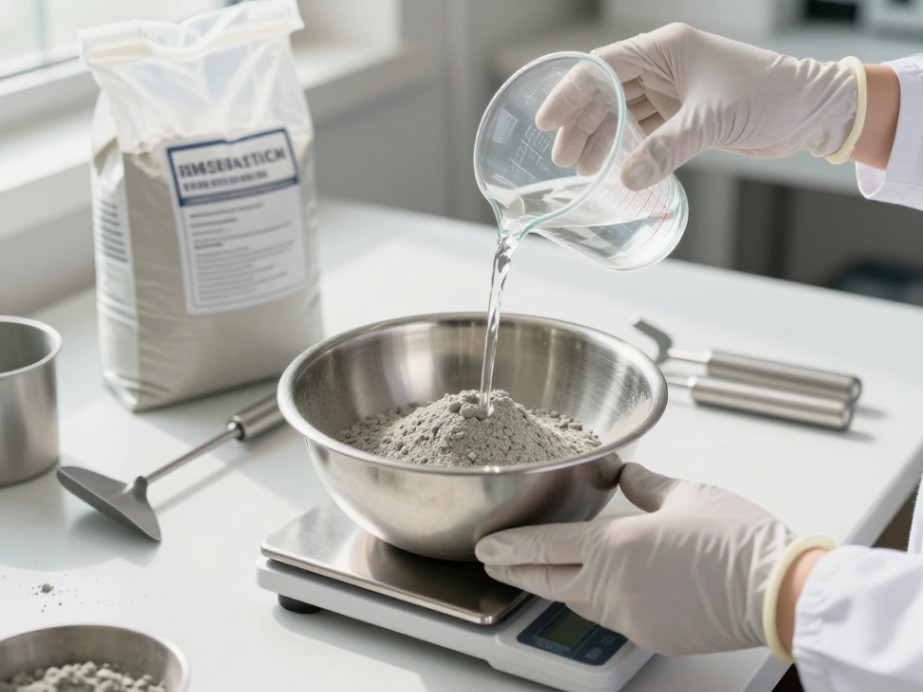
Measure water and dry powder by weight, not volume. Use the manufacturer’s exact recommended water amount. Excess water increases porosity and reduces final strength. Mix for 3-5 minutes until a uniform, lump-free consistency is achieved. The mix should hold its shape when squeezed.
Step 3: Application and Placement
Apply in layers not exceeding 50mm thickness for castables. Use a rubber mallet to rod and vibrate the material, eliminating air pockets which become failure points. For gunning applications, maintain a consistent water/powder ratio at the nozzle.
Step 4: Curing and Drying
This is critical. Cover the installation with plastic sheeting for 24 hours to allow hydraulic or chemical curing. Then, a controlled dry-out process is mandatory. Slowly raise the temperature over 24-48 hours to drive off free moisture. A typical schedule is: 50°C per hour to 110°C, hold for 12 hours, then 50°C per hour to 600°C, hold for 4 hours.
Common Questions on High-Temperature Cement
What is the maximum temperature for special cement?
Maximum service temperature ranges from 1100°C for basic formulations to over 1800°C for advanced alumina-silicate castables. Always consult the product’s published PCE (Pyrometric Cone Equivalent) or maximum service temperature rating.
Can I use this cement outdoors?
Yes, but only if the specific product is formulated for outdoor use. Standard refractory cement can degrade with repeated freeze-thaw cycles. Look for products with high thermal shock resistance and low porosity.
How long does it last before needing repair?
With proper installation and operation, a monolithic refractory lining can last 5-10 years. Annual visual inspection for cracks, spalling, or erosion is recommended. Minor hairline cracks are normal; cracks wider than 1mm require evaluation and patching.
What’s the main cause of refractory cement failure?
Thermal shock from rapid heating or cooling is the primary cause. Secondary causes include improper dry-out, chemical corrosion from slag or fumes, and mechanical abrasion. A 2022 industry analysis by HarbisonWalker International cited improper installation as a contributing factor in over 60% of premature lining failures.
Maintaining Your High-Temperature Installation
Maintenance ensures longevity and safety.
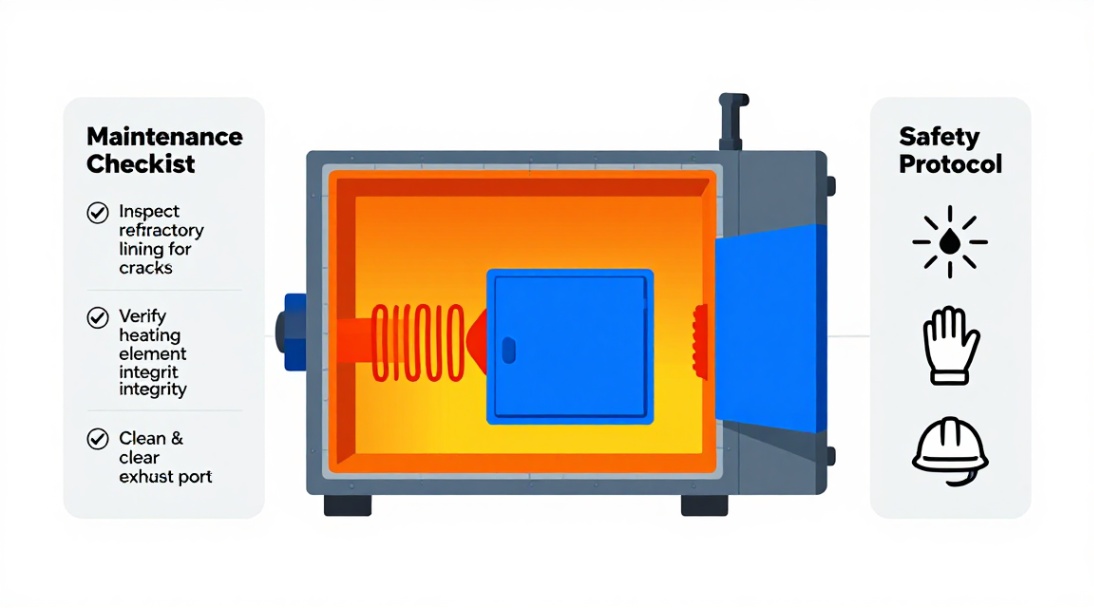
- Visual Inspection: Shut down and cool the system. Look for deep cracks, surface erosion, and areas where the lining has thinned. Tap the surface; a hollow sound indicates delamination.
- Patch Repair: For localized damage, use a compatible air-setting phosphate mortar. Clean the area thoroughly, undercut the edges, and apply the patching material. Follow the manufacturer’s cure schedule before returning to service.
- Record Keeping: Document inspection findings, repair locations, and materials used. This history predicts wear patterns and informs future replacement planning.
The correct special cement for high temperature resistance is a functional component, not a commodity. Its selection and installation dictate the reliability and safety of your thermal process. Prioritize data sheet specifications over brand names. Execute installation with precision. The result is predictable, durable performance that withstands extreme environments.
Supplier
We are the global leader in lightweight concrete and advanced engineered foam solutions. Known globally for its commitment to research, innovation, and applied expertise, we have been providing engineered foam solutions since the early 2012’s.
We can supply high-quality concrete admixture and foam concrete related products all over the world.
The company has a professional technical department and quality supervision department, a well-equipped laboratory, and equipped with advanced testing equipment and after-sales customer service center.
If you are interested, please feel free and contact us.