Concrete4U | Concrete Admixtures, Tools, and Production Machines

How to Use Potassium Silicate Solution for Durable, Breathable Mineral Paints
What Potassium Silicate Solution Is and How It Works
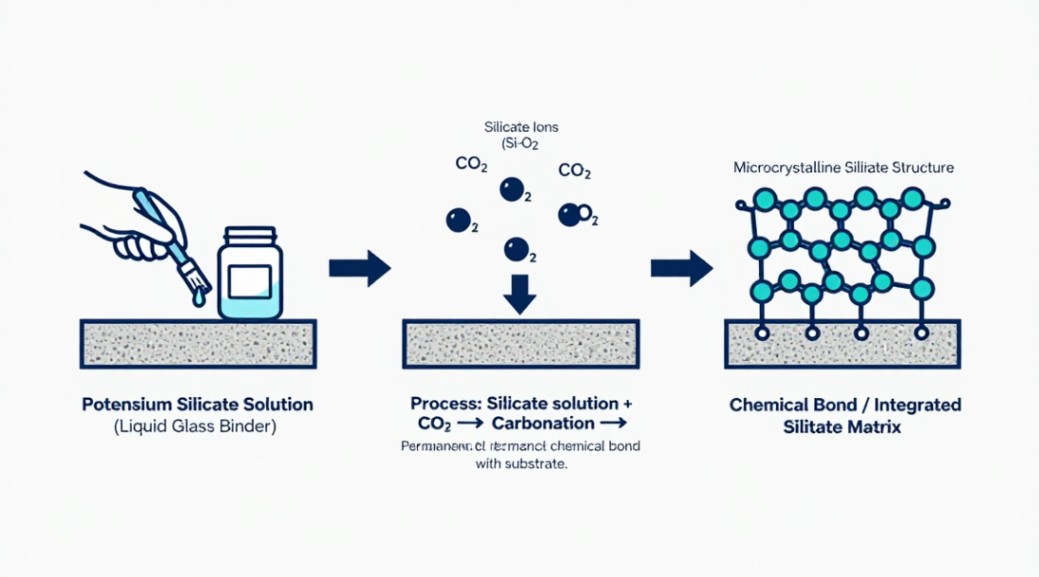
A potassium silicate solution is the essential binder for genuine mineral paints. Think of it as liquid glass. We start with quartz sand and potash, fused at high heat and dissolved in water. The result is a clear, alkaline solution. This is the heart of silicate paint chemistry. When applied, it undergoes a process called carbonation. The silicate reacts with carbon dioxide from the air and binds chemically with mineral substrates like concrete or render. This creates a microcrystalline silicate structure that is part of the wall itself. It doesn’t just sit on top. This chemical bond is the source of its legendary performance.
The Core Benefits of a Mineral Silicate Binder
Why do we choose potassium silicate solution for mineral based paints over conventional binders? The advantages are fundamental.
Unmatched Breathability and Moisture Control
This is the number one reason for its use on masonry. Silicate paints are vapor-open. They allow water vapor from inside the wall to pass through freely. Moisture cannot get trapped. This prevents blistering, peeling, and efflorescence. It’s the ideal solution for solid, damp-prone walls and historic buildings where moisture management is critical. The paint works with the wall, not against it.
Extreme Durability and UV Resistance
The silicate bond is inorganic and mineral. It does not degrade under ultraviolet light. While organic acrylic binders chalk and fade, silicate paints retain their colour and integrity for decades. The finish becomes harder over time. We see facades over 30 years old that look freshly painted. This longevity defines true value.
Inherent Fire Resistance
Potassium silicate is non-combustible. It is classified as a Class A fire-resistant material. At high temperatures, it does not burn, melt, or emit toxic smoke. This makes potassium silicate solution for mineral based paints a mandatory specification for schools, hospitals, and multi-residential buildings where safety is paramount.
Surface Preparation and Substrate Compatibility
Success starts with the surface. Silicate paint only works on mineral substrates. It bonds chemically to silica. Compatible surfaces include: concrete, cement render, brick, limestone, sand-lime brick, and mineral plasters. It is incompatible with organic surfaces like wood, existing acrylic paints, or vinyl wallpapers. Proper preparation is non-negotiable.
Follow this sequence:
- Clean the surface. Remove all dirt, algae, grease, and loose material. Power washing is often necessary.
- Repair and level. Fill cracks and holes with a mineral-based filler. The substrate must be sound.
- Test for suction. A dry, dusty substrate will suck the binder out of the paint too quickly. You must control this.
- Apply a silicate primer or fixative. This is crucial. For highly absorbent surfaces, you apply a diluted potassium silicate solution (often called a hardener or fixative). It consolidates the surface, reduces suction, and provides silica for the final coat to bond to. Never skip this step.
The Step-by-Step Mixing and Application Guide
Working with potassium silicate solution requires a methodical approach. We will walk through it.
Step 1: Mixing the Paint
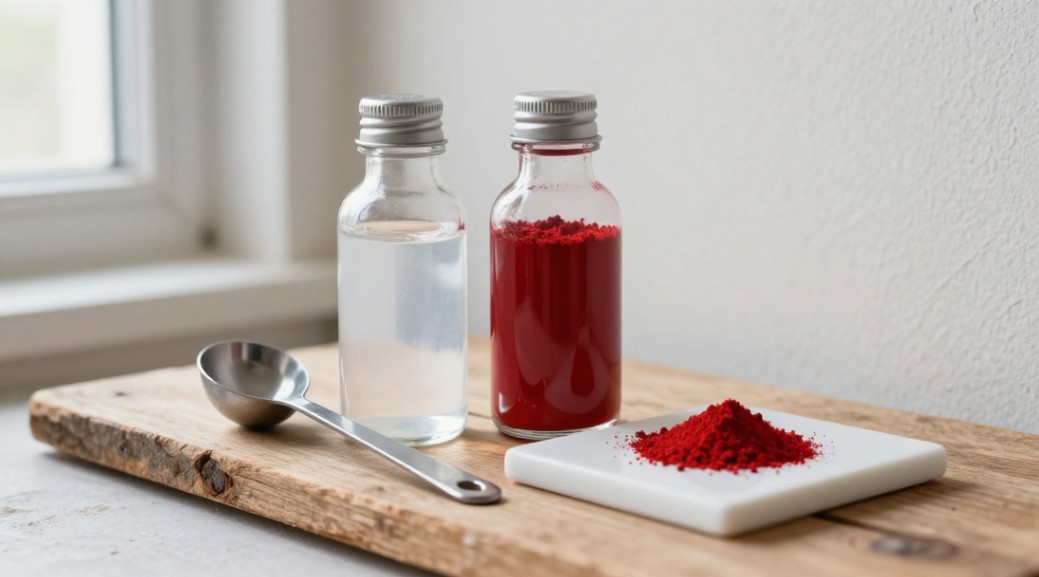
You typically receive a two-component system: the potassium silicate binder (liquid) and the mineral pigment paste (powder or paste). Always add the dry powder to the liquid binder, never the reverse. Use a low-speed drill mixer. Mix thoroughly for several minutes until completely homogeneous. Let the mix “slake” or rest for 15 minutes, then mix again briefly. This ensures full activation. The pot life is usually 1-2 days.
Step 2: Applying the Paint
Apply the first coat generously. Use a high-quality synthetic fiber brush or a short-pile roller. Work the paint into the substrate. The goal is to achieve a uniform, saturated appearance. Avoid over-brushing or rolling on a dry surface, as this can break the forming silicate film. Allow the first coat to dry completely, usually 12-24 hours depending on weather.
Step 3: The Second Coat
The second coat is the finish. Apply it evenly in a cross-hatch pattern for uniform coverage. Two thin coats are always better than one thick coat. Full carbonation and hardening take about 7-14 days. The paint will reach its final hardness and chemical resistance after this period.
Where to Use Mineral Silicate Paints
The use cases are specific and powerful. We specify these paints for: exterior facades demanding decades of service, historic building restoration where breathability is law, basement walls and interiors with damp issues, and any project requiring a non-toxic, fire-resistant coating. They are the benchmark for permanent, high-performance masonry protection.
Maintenance and Long-Term Care
Maintenance is simple because failure modes are rare. If repainting is needed after many years, you must use a silicate paint again. You cannot top-coat with an acrylic. If the old silicate coat is intact, clean it and apply a new silicate coat directly. The chemical bond will renew. If an acrylic was mistakenly applied over it, you must remove it completely to return to a silicate system. The integrity of the system depends on maintaining the mineral chain.
Why This System Outperforms Acrylic Paints
The comparison is clear. Acrylic paints form a plastic film on the surface. They can trap moisture, peel, and degrade with UV exposure. They are a wearing layer. Potassium silicate paint becomes part of the substrate. It is permanent, breathable, and inert. For mineral walls, it is not just a paint choice; it is a building physics decision. Choose a film-forming paint for short-term aesthetics. Choose a silicate system for permanent protection.
Your Next Step for a Superior Facade
Now you understand the process. The theory is solid, but the execution requires the right materials. Do not compromise with diluted or modified silicate products. You need a pure, high-ratio potassium silicate solution and compatible pigments to achieve the described benefits. We have spent two decades refining our formulations for reliability in the field.
Test our professional-grade potassium silicate binder and complete mineral paint system. See and feel the difference on a sample panel. Contact us directly for technical datasheets, application support, and to order the correct materials for your next project. Let’s build facades that last a lifetime.
Supplier
We are the global leader in lightweight concrete and advanced engineered foam solutions. Known globally for its commitment to research, innovation, and applied expertise, we have been providing engineered foam solutions since the early 2012’s.
We can supply high-quality concrete admixture and foam concrete related products all over the world.
The company has a professional technical department and quality supervision department, a well-equipped laboratory, and equipped with advanced testing equipment and after-sales customer service center.
If you are interested, please feel free and contact us.